Does Picking Mushrooms Actually Harm Fungi? A Swiss Forest Kept Score for 27 Years
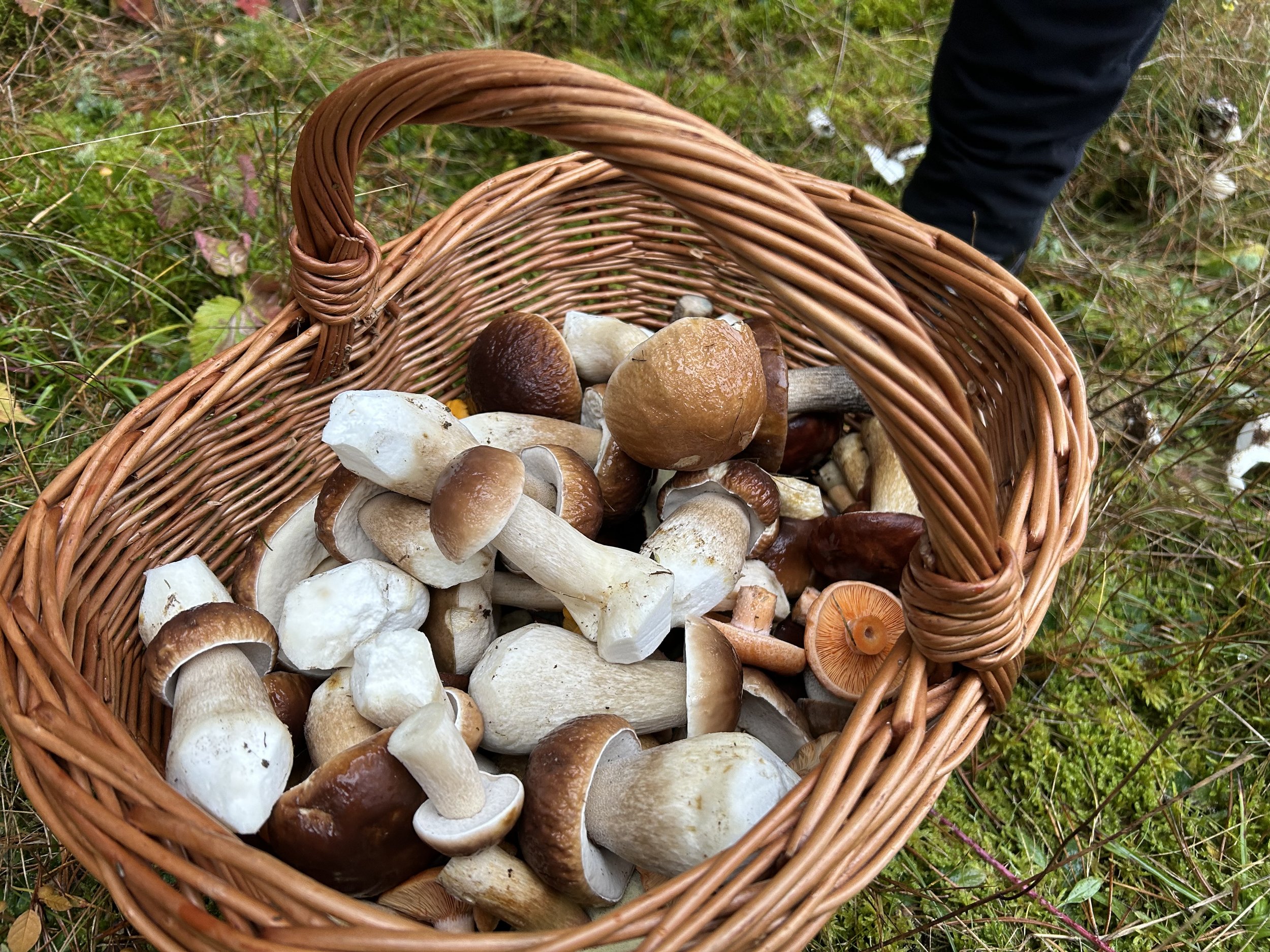
The question clients ask me most often on foraging walks in Tuscany has nothing to do with which mushrooms are edible. It’s whether we’re hurting the forest by picking them at all. The worry runs that every porcini in the basket is one less fungus in the ground, and that a well-picked wood eventually goes quiet. Marcus’s April piece on this site touched the same nerve when it warned about “loving to death” the fungi that keep forests healthy. I’d like to pull that phrase apart, because it bundles together two very different things a forager does, and only one of them shows up in the data.
What a Mushroom is, and What it Isn’t
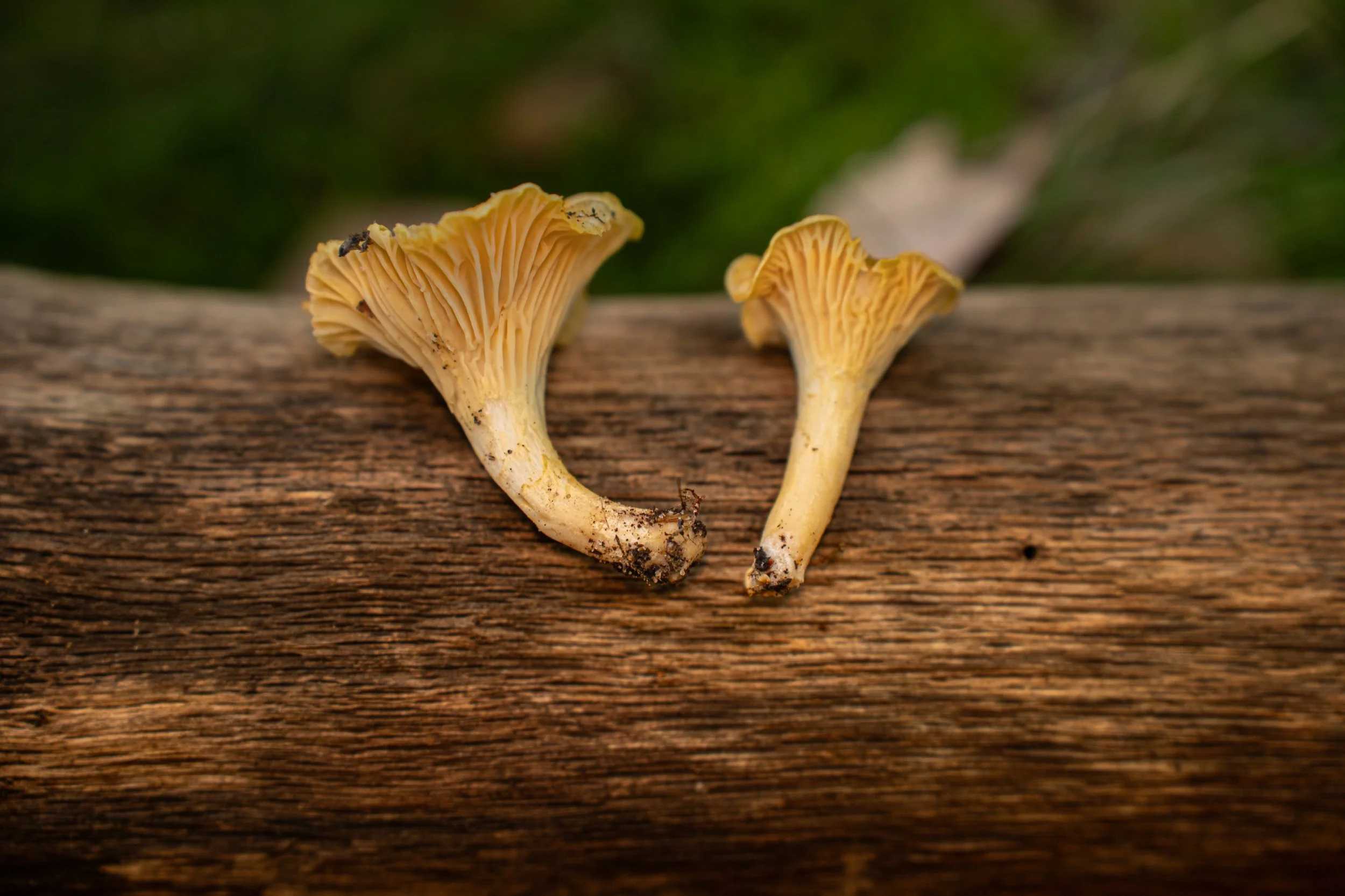
The mushroom in your basket is a fruit. The organism is the mycelium, a mesh of threads spread through the soil and leaf litter, and for porcini, chanterelles and most of the species anyone bothers to pick, that mesh is plugged into the roots of living trees in a partnership that feeds both sides. A porcini fruit body grows in about a week and rots within another. The network underneath it persists for decades. Picking the fruit body removes that season’s reproductive organ, in the same way picking an apple removes an apple. Whether that starves the fungus of spores over time is a fair question, and it’s the one the Swiss set out to answer.
Twenty-seven Autumns on the Same Hundred Square Meters
In 1975 the Swiss Federal Research Institute WSL fenced off a set of plots in Chanéaz, a 74-hectare (180-acre) fungus reserve in mixed forest on the Swiss Plateau. Five blocks, each split into three squares of ten by ten metres. In one square every edible mushroom got pulled out of the ground. In the next, every edible mushroom got cut at the base. The third square was left alone. Every week from May to December somebody walked the plots, identified and counted every fruit body of every species, and marked each cap with a dab of blue dye so it wouldn’t be counted twice. That routine ran from 1977 to 2003.
By the end they’d counted 97,700 fruit bodies from 436 species, and the harvested squares had produced 1.03 times as many mushrooms as the untouched ones. Species richness didn’t move either. Cutting and pulling came out the same. Simon Egli and his co-authors put it plainly in Biological Conservation in 2006: long-term, systematic harvesting “reduces neither the future yields of fruit bodies nor the species richness” of forest fungi.
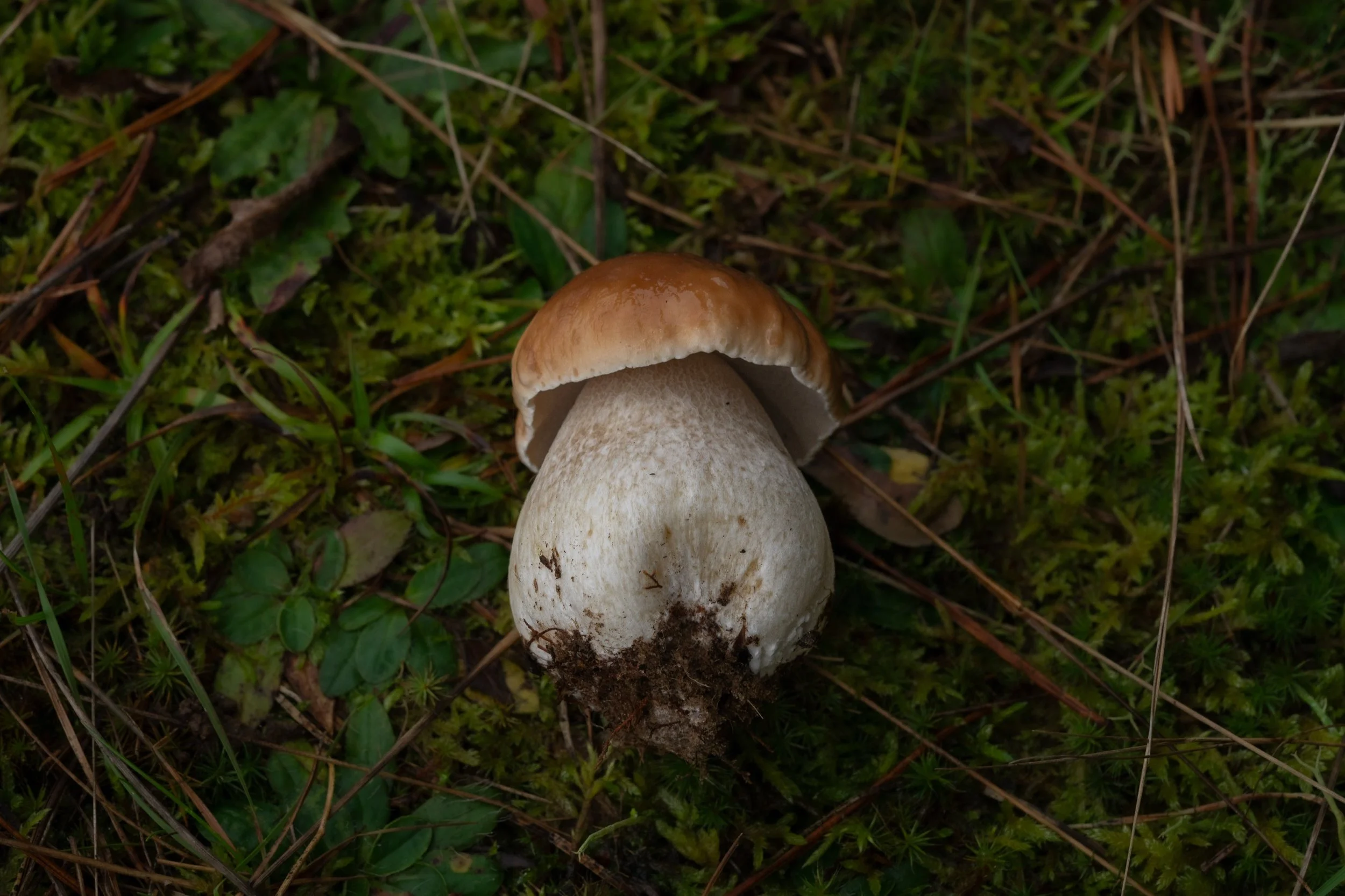
Keep in mind how hard they were picking. Every edible mushroom, every week, for more than a quarter of a century, off the same patch of ground. Nobody forages like that. If removing fruit bodies hurt the organism underneath, this was the experiment built to show it, and it showed nothing.
The result isn’t a Swiss quirk. On the other side of the Atlantic, members of the Oregon Mycological Society set up ten chanterelle plots near Mount Hood in 1986, began harvesting six of them in 1989 by cutting or pulling while leaving four alone, and found no sign that picking reduced later crops either. Lorelei Norvell’s write-up of that project carries the title “Loving the chanterelle to death?”, and the question mark is doing a lot of work.
Where the Damage Actually Happens
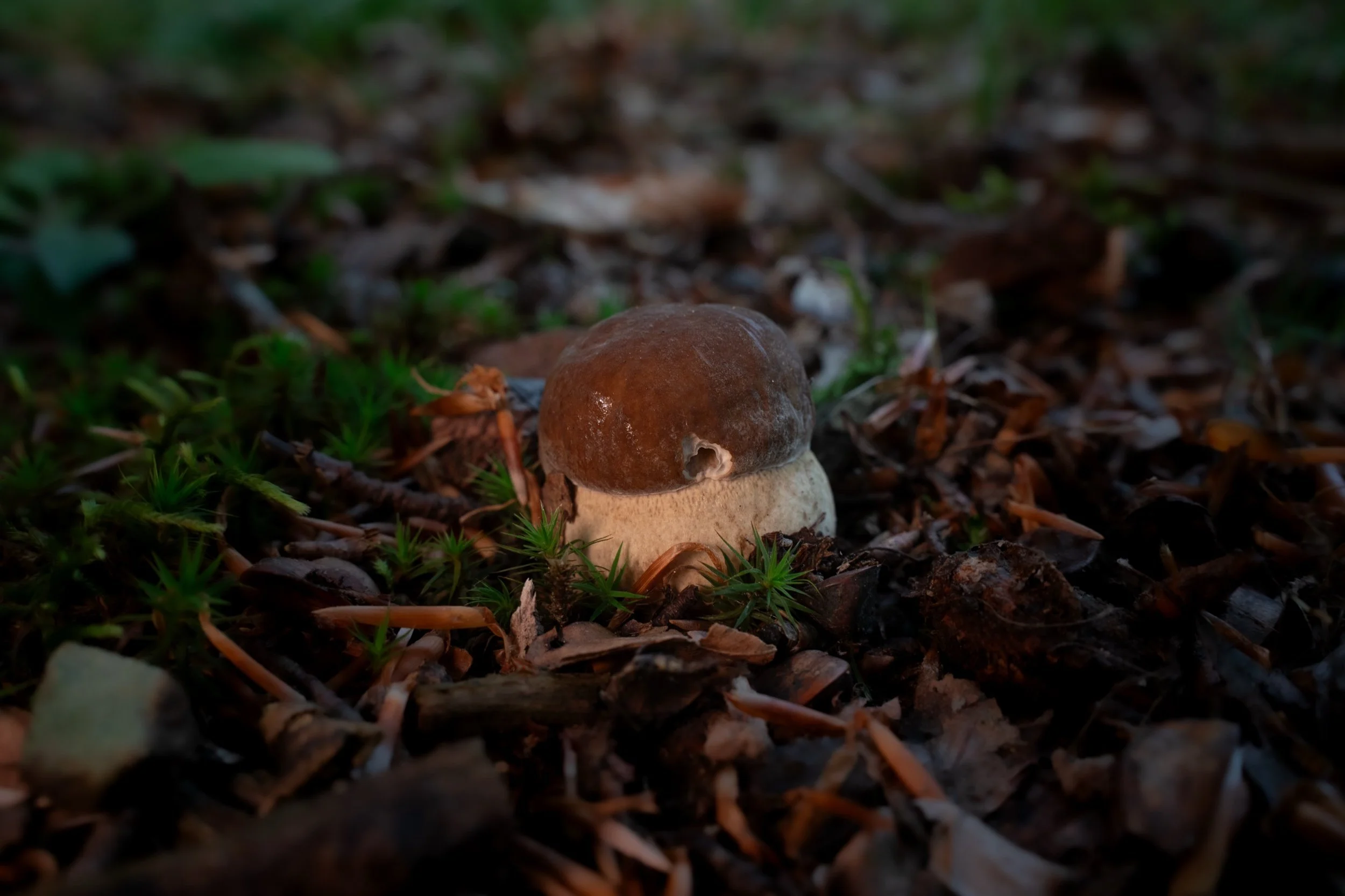
The same Swiss team ran a second experiment that gets far less attention, and it’s the one I wish every forager knew about. At Moosboden, a spruce stand at 1,250 metres (about 4,100 feet), they split plots four ways between 1990 and 2000: picked and walked on, picked from raised catwalks, unpicked and walked on, unpicked and untouched. The catwalks meant the person counting mushrooms never set a boot on the soil.
Trampled ground produced roughly 70 percent as many fruit bodies as untrampled ground, and for the edible species alone the figure dropped to 64 percent. The picking made no difference. The feet did.
There’s a detail in that result that matters for anyone writing policy. Over ten years, 195 species fruited in the trampled plots and 189 in the untrampled ones. The fungi were all still there. Egli’s team found no evidence the mycelium had been damaged, and their best explanation is that the primordia, the pinhead-sized beginnings of a mushroom that form at the soil surface, get crushed before they can grow. An earlier trial on a single colony of yellowfoot chanterelle points the same way: a researcher picked it and walked on it twice a week for twelve years and it stopped fruiting entirely, then came back to its old output the season after the trampling stopped.
So the honest version of the myth is this. Picking doesn’t kill the fungus. Standing on it, repeatedly, suppresses it, and raking through the litter for buried mushrooms is worse, because it tears up the layer the mycelium lives in. A forager does damage with boots and tools, hardly ever with fingers.
How Tuscany Writes That Into Law
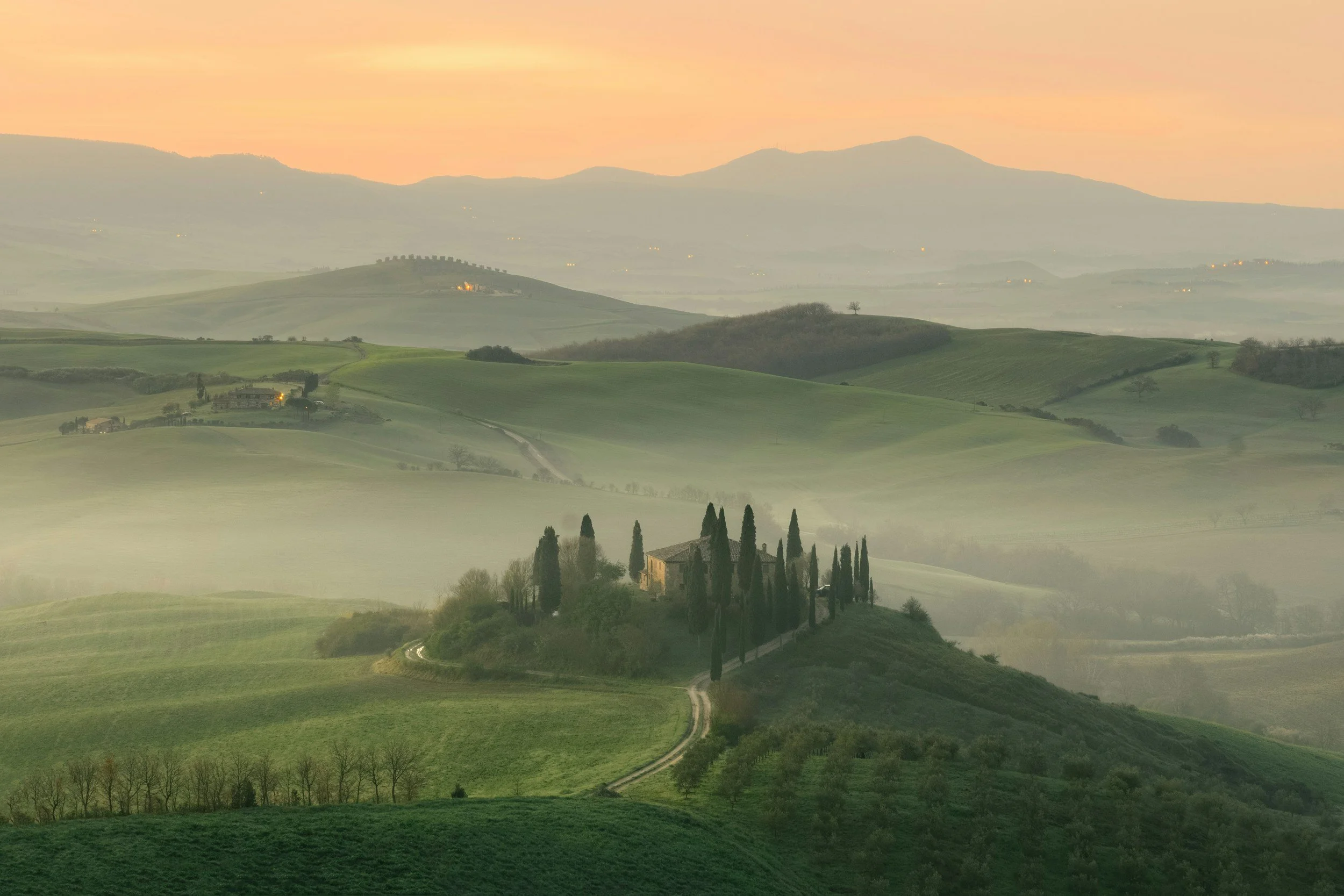
This is where the Italian side gets interesting, because our regional rules were written by people who evidently understood the distinction. Tuscany’s mushroom-picking law, in force since 1999, barely concerns itself with whether you pick. It concerns itself with how.
Rakes, hooks and anything else that disturbs the surface layer of the soil are banned outright. That’s the raking problem dealt with in one line.
Your mushrooms have to travel in a rigid, aerated container, which in practice means a wicker basket. Plastic bags are illegal. The stated reason is spore dispersal: an open basket keeps shedding spores along the trail as you walk, so the forest gets reseeded by the very mushrooms leaving it.
Each mushroom has to be collected whole, with the features needed to identify it still attached. That rule exists for safety, since a death cap without its base is much harder to recognise, but it also means nobody is hacking at the ground.
Three kilograms (6.6 pounds) per person per day for most pickers, and collecting only from one hour before sunrise to one hour after sunset.
And you pay for the privilege. A resident buys a yearly permit for €25. A visitor pays €15 for a day or €40 for a week, and being caught over the limit means a fine plus watching your excess mushrooms get confiscated.
None of this bans the harmless thing. It prices the activity, caps the take, and outlaws the two behaviours the Swiss data actually flagged. I think that’s a better-aimed set of rules than most, and it grew out of a culture where picking mushrooms was never in question, only how much and by whom.
The Contrast with a Blanket “Leave it Alone”
Marcus’s survey found 36 of the 63 flagship US national parks give no guidance on fungi at all, and where rules exist they tend to be quantity caps: a quart per person per day in Yellowstone, a pint in Yosemite. A quantity cap is fine as far as it goes. What none of those rules say is anything about feet, rakes or bags, which is where the measurable harm sits. A park that bans picking entirely stops the one thing the data calls harmless and leaves a trail full of hikers, dogs and mountain bikes doing the thing it doesn’t.
I’d rather see a park write “no rakes, open baskets, stay on the path” than “no mushrooms”. The first protects fungi. The second protects a feeling about them.
What I still can’t tell you
The Swiss study has a limit its authors state themselves: nobody knows how many spores a species needs to persist in a forest over the long run, and 27 years is a short time in the life of a mycorrhizal network. I can’t fill that gap, and I don’t pretend to on my walks. It’s the honest reason I leave some mushrooms standing, and the reason Egli’s team still recommends closed seasons as a precaution. What it isn’t is a reason to tell people that picking a porcini kills the woods. The real threats to fungi are the ones Marcus already named, habitat loss and a shifting climate, and a forager with a wicker basket who keeps to the path is closer to an ally than a problem.
About the author. Stefano Gabryel guides private hikes and mushroom foraging walks in the hills of northern Tuscany and photographs what he finds there. He writes about the region’s trails, forests and fungi.