Love Mushroom Foraging? This Is Why These Fungi Are At Risk Of Disappearing
When we think of "endangered species," our minds usually jump to the majestic or the cute, known as charismatic megafauna. These are the scenes we know like polar bears on melting ice, sea turtles in plastic-filled oceans, or perhaps a rare, colorful orchid in a tropical rainforest.
We divide the natural world into two clear camps—plants and animals. But beneath our feet, a massive, silent, and incredibly powerful third kingdom is at work, and it is almost entirely invisible to our legal systems.
Fungi are not plants, and they are certainly not animals. They are their own distinct kingdom of life, encompassing everything from the yeast in your bread and the mold on your cheese to the massive networks of mushrooms that hold our forests together.
Despite their importance, the legal framework designed to protect biodiversity is often stuck in the 1970s, leaving millions of fungal species at risk from habitat loss, climate change, and overharvesting.
Why Fungi Matter
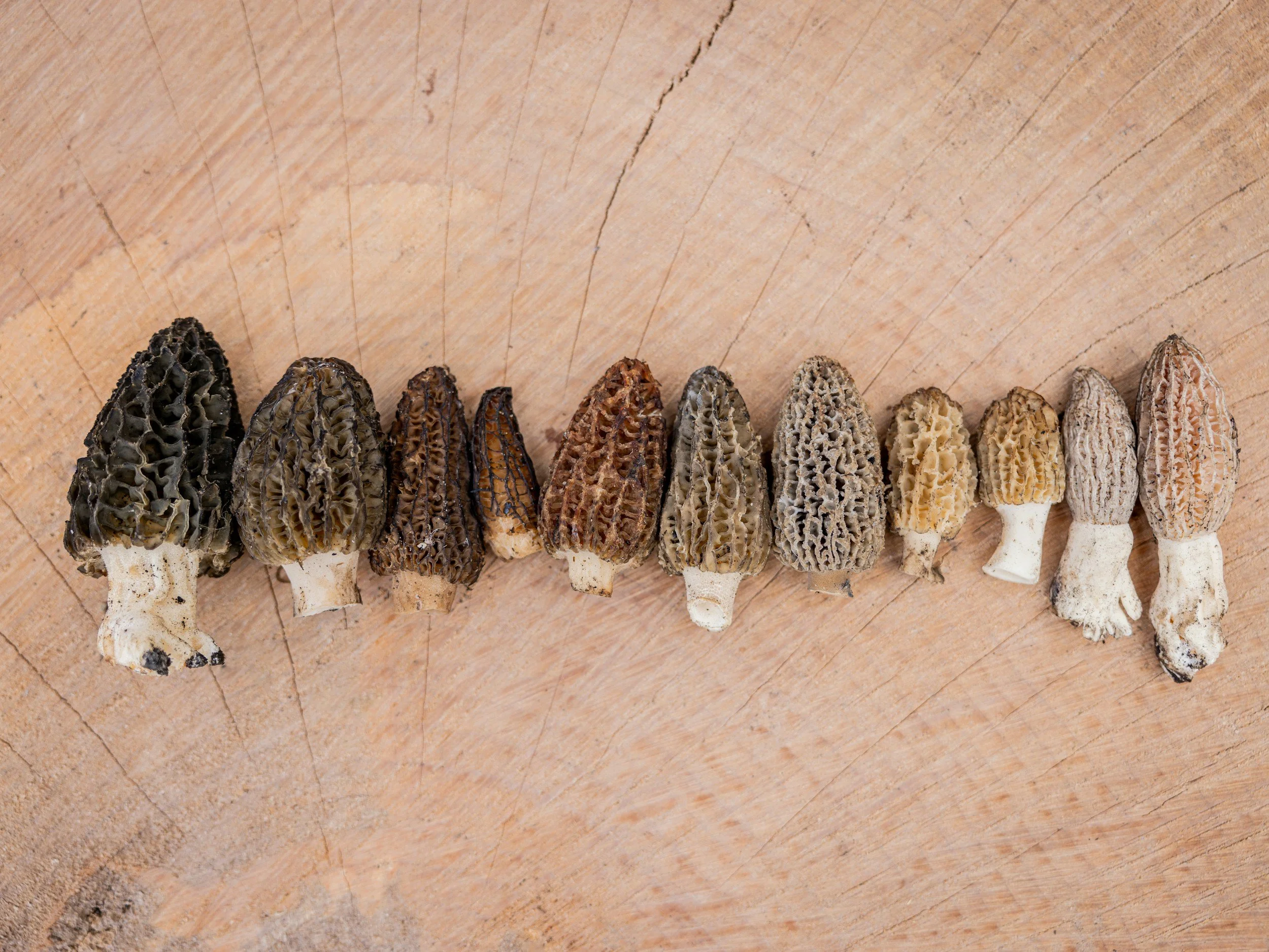
It’s not just the awe inspiring fairy rings, delicious morels, or beautiful glowing fungi. To understand why the legal gap is such a problem, we first have to appreciate just how much fungi do for us. While there are a conservatively estimated 1.5 million species in the kingdom, some scientists believe there could be as many as 3.8 million. These species provide "ecosystem services" that are, quite literally, the foundation of life on Earth.
Fungi are the primary decomposers of our planet. Saprotrophic fungi break down dead biological matter, turning fallen trees and dead leaves into nutrient-rich soil. Without them, the world would be a graveyard of unrotted organic matter, and the nutrients locked inside that matter would never be returned to the earth to support new growth.
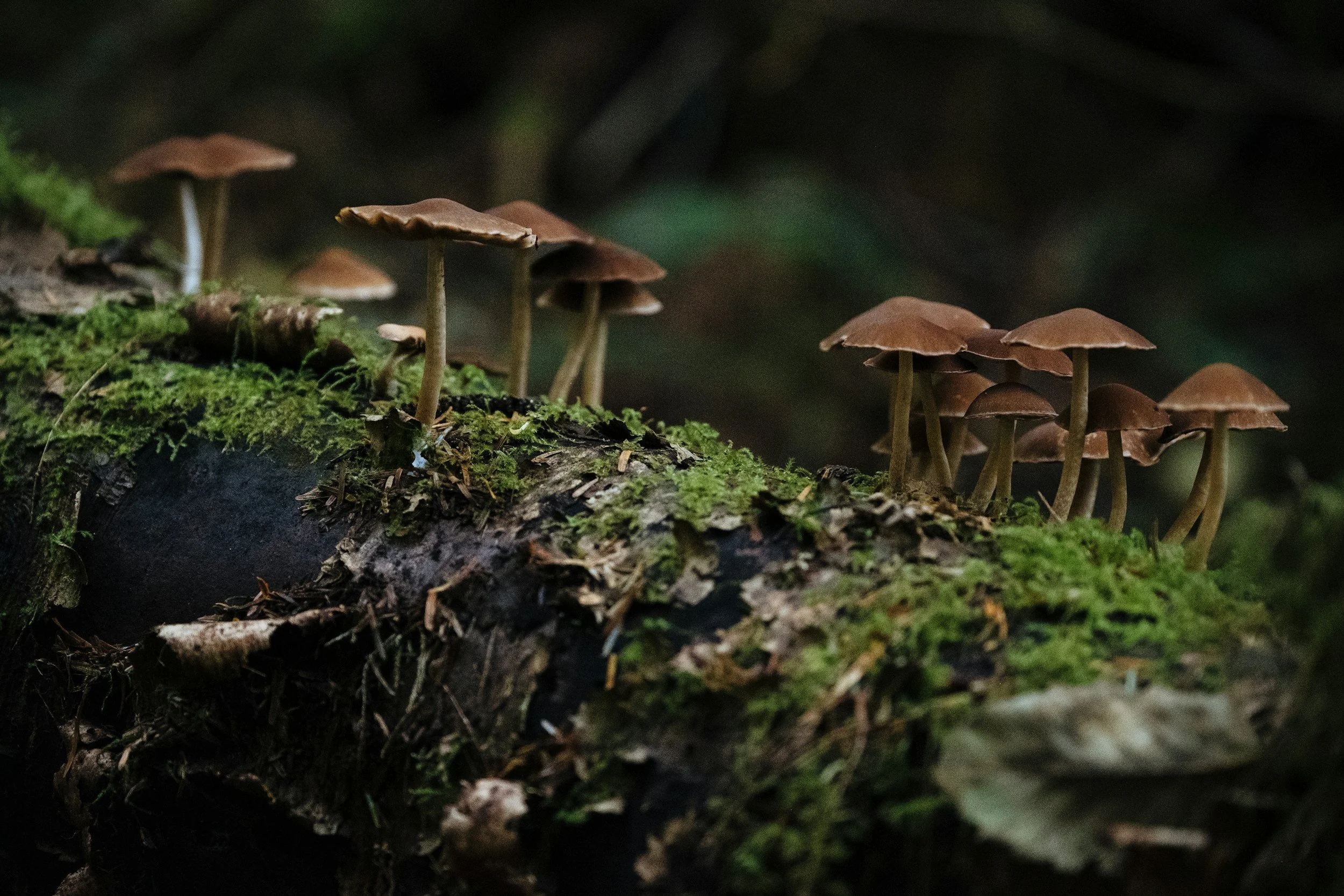
In the fight against climate change, we often talk about planting trees. But trees don't work alone. Mycorrhizal fungi connect to plant roots and extend their reach, helping them take in water and nutrients like nitrogen and phosphorous. More importantly, these fungal networks sequester and cycle carbon, acting as a massive "sink" that keeps greenhouse gases out of our atmosphere.
Humans have a long history of benefiting from fungal chemistry. In 1929, Alexander Fleming used a mold species to develop penicillin, a breakthrough that has since saved hundreds of millions of lives. Today, fungal research continues to offer potential for new medicines, agricultural breakthroughs, and even sustainable packaging materials.
“Did you know that the largest organism on Earth isn’t a whale or a redwood tree? It’s a fungus. In Oregon, a network of Honey Fungi spans approximately 2,384 acres of soil. This massive underground web is a testament to the sheer scale and resilience of the fungal kingdom.”
The Legal Blind Spot: Why "Plant or Animal" Isn't Enough
The core of the problem is a taxonomic glitch in our laws. When major environmental protections like the Endangered Species Act (ESA) were written in 1973, the scientific world generally lumped all living things into two categories: the Plant Kingdom and the Animal Kingdom.
It wasn't until later that the Fungi Kingdom was universally recognized by biologists as its own separate entity. Because the ESA defines a "species" as a "subspecies of fish or wildlife or plants," fungi fall into a legal gray area.
As a result, as of 2024, no fungal species on its own is listed under the ESA. The only representation fungi have on the list consists of three lichens—and lichens are actually a symbiotic partnership between a fungus and an alga, which allowed them to be classified loosely as "plants" for listing purposes. This may be why nearly 70% of medicinal “plants” are endangered - many of which are fungi.
A Patchwork of Protection
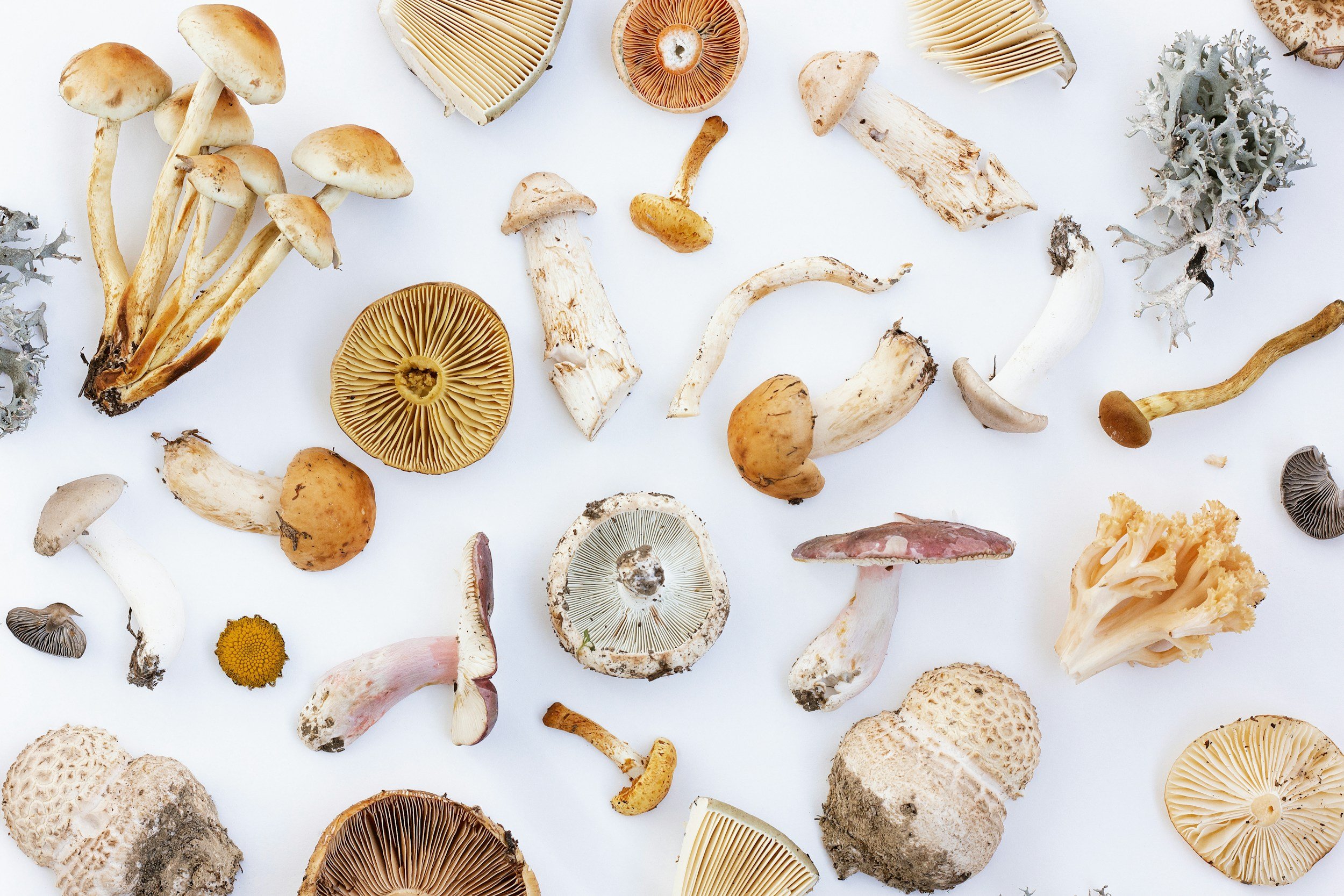
Because federal law doesn't explicitly mandate the protection of fungi, different land management agencies have had to make up their own rules. This has created a confusing and often contradictory patchwork across the United States.
While we debate the legal definitions, the threats to fungi are mounting. Fungal species face the same dangers as the animals and plants we love: deforestation, pollution, and climate change.
The International Union for the Conservation of Nature (IUCN) maintains a "Red List" of threatened species. Currently, this list includes 318 fungal species in various stages of concern, with another 65 classified as "Near Threatened".
The "foraging craze" is also having an impact. As more people head into the woods to find gourmet or medicinal mushrooms, overharvesting in popular areas can disrupt local ecosystems and hinder the reproduction of rare species. Without clear, science-based regulations, we risk "loving to death" the very organisms that keep our forests healthy.
The National Park Service
A survey of 63 flagship National Parks revealed a wide range of approaches to mushroom and fungi management:
Prohibited: 4 parks (including Acadia and Glacier) completely ban mushroom collecting. Acadia’s reasoning is that too little is known about mushroom ecology to allow harvesting safely.
Regulated: 22 parks have specific rules. For example, Yellowstone allows 1 quart per species per person per day for personal use, while Yosemite limits it to 1 pint.
No Guidance: 36 parks provide no specific rules for fungal harvesting, leaving visitors and managers in a state of uncertainty.
Interestingly, Alaska is the only place with a federal land management regulation that explicitly includes fungi as a protected "natural product" alongside fish, wildlife, and plants.
The U.S. Forest Service and Bureau of Land Management
These agencies manage land for "multiple use," meaning they balance conservation with activities like timber harvesting and recreation. While they have programs for "sensitive species," fungi are often excluded because they don't fit the standard "plant or animal" definitions.
In some National Forests, like those in the Blue Mountains, you can harvest mushrooms commercially if you buy a permit ($20 plus $2 per day), but these systems often don't require "sustainable" foraging—like leaving the underground mycelium intact.
Recommendations: How to "Make Room for the Mushroom"
The article proposes several key steps to bring our laws into the 21st century:
Update the ESA: Congress could amend the Endangered Species Act to clearly include fungi in the definition of "species". Alternatively, the Fish and Wildlife Service (FWS) could update their own regulations to acknowledge the modern taxonomic reality.
Standardize Park Rules: The National Park Service could add fungi to the list of resources that cannot be disturbed by default, creating a stronger baseline for protection across all park units.
Include Fungi in Planning: When land management agencies create long-term conservation plans (like the Comprehensive Conservation Plans for Wildlife Refuges), they should be required to include data and protection strategies for local fungal populations.
State-Level Action: States like California, which have their own versions of the ESA, can lead the way by amending their state codes to include the Fungi Kingdom.