Can Recycling Eliminate Our Need For Mining of Critical Minerals?
As the world races to swap gas-guzzling cars for sleek electric vehicles (EVs), we find ourselves at a strange crossroads. On one hand, EVs are essential for cutting carbon emissions and stopping climate change.
On the other hand, building millions of high-tech batteries requires a staggering amount of "critical minerals" like lithium, cobalt, and nickel. If we just keep digging these out of the ground, we might solve one environmental crisis only to create another.
A groundbreaking study by researchers at the University of Tokyo and Tokyo City University, titled "From Demand to Circularity: Rethinking National Strategy on Automobile Battery Supply Chain for Sustainability," offers a roadmap out of this dilemma.
By analyzing Japan—the world’s largest car exporter and a relatively late adopter of EVs—the researchers discovered that with the right policies, a country can slash its need for new minerals by up to 82%.
To understand the problem, we have to look at the numbers. In 2022, there were about 28 million EVs on the road globally. To reach "net-zero" goals by 2050, that number needs to skyrocket to 790 million by 2035.
This massive growth means that by 2040, our demand for battery minerals could be 20 to 40 times higher than it was in 2020. These minerals aren't just hard to find; they are often tied to prices that can spike overnight. Some minerals, like cobalt, have been linked to "conflict mineral" zones and humanitarian crises. Mining and smelting are energy-intensive and can cause significant local pollution.
The study’s results for Japan are eye-opening. If the country stays on its current path (the "Status Quo"), it will need about 11.1 million tonnes of critical minerals by 2050. But under the most ambitious scenario (where all 20 policies are used), that number drops to just 2.0 million tonnes.
The Eight Levers of Change
The researchers used a sophisticated computer simulator to test 20 different policy options across eight "drivers". They divided these into two categories: Supplier-side (how batteries are made) and User-side (how we use and recycle them).
Supplier-Side Drivers (The "Makers")
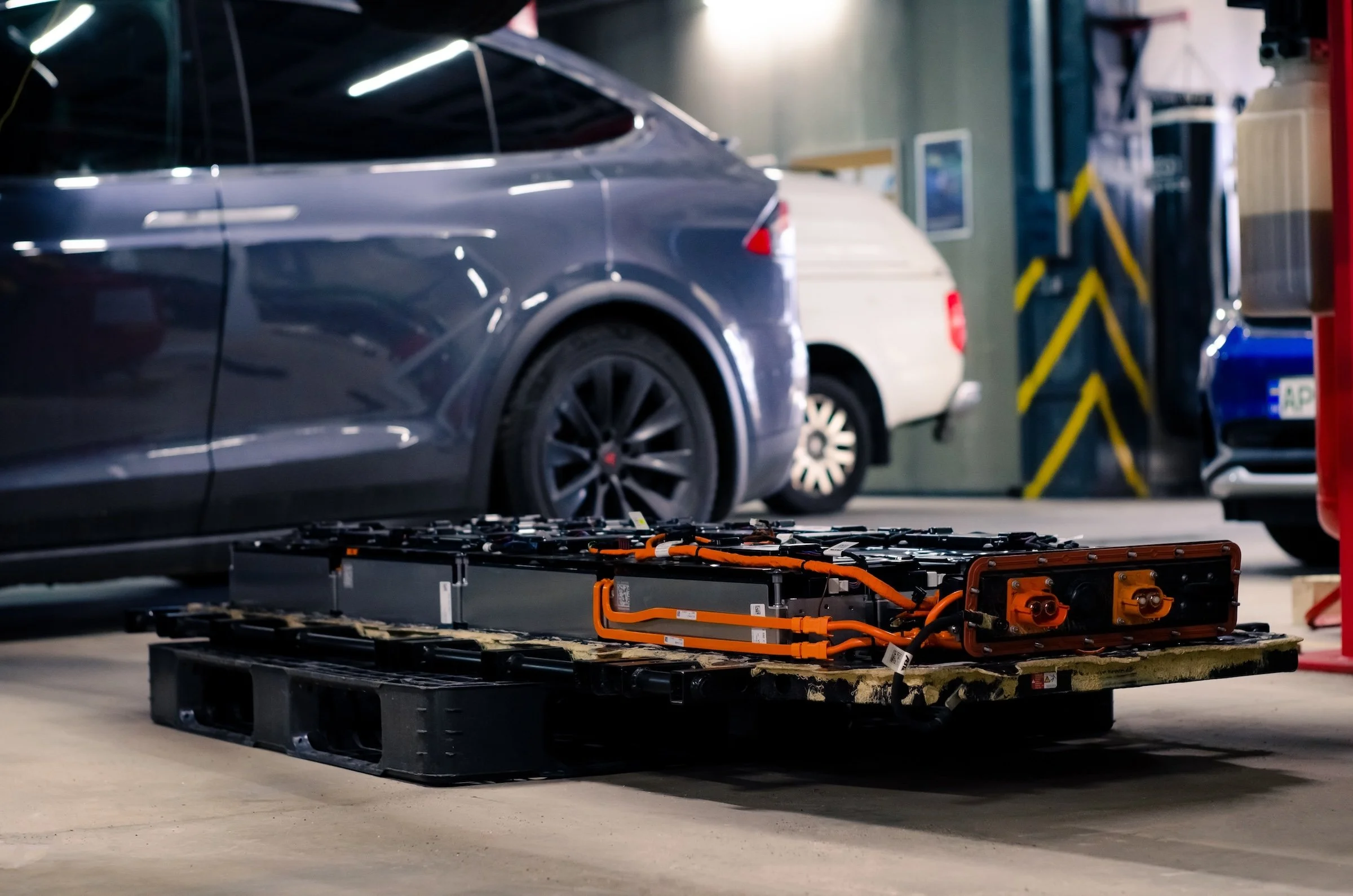
Battery Chemistry Shifts: Changing what’s inside the battery. For example, moving from cobalt-rich designs (NMC) to cobalt-free ones like Lithium Iron Phosphate (LFP), or even future tech like Lithium-Sulfur (Li-S).
Battery Service Life: Making batteries last longer through better engineering and software.
Tracing & Collection: Implementing "battery passports" to track every battery from cradle to grave.
Recycling Progress: Improving the technology used to pull minerals out of old batteries.
User-Side Drivers (The "Drivers")
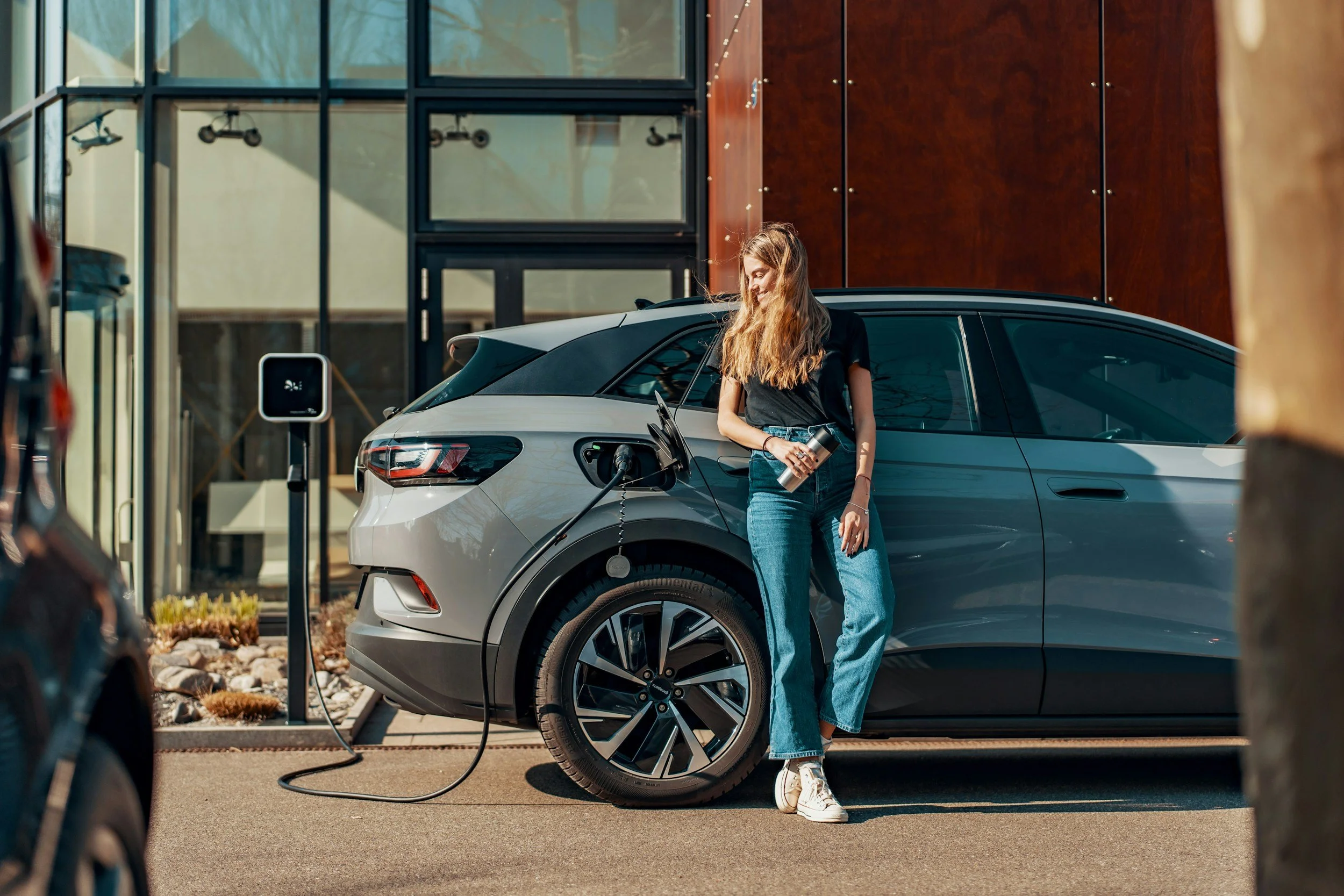
EV Penetration: How fast we switch from gas cars to EVs or hybrids using carbon-neutral fuels.
Secondary Use vs. Expedited Recycling: Deciding whether to give an old car battery a "second life" (like storing solar power for a home) or to recycle it immediately to get the minerals back.
Used-Car Export Regulations: Controlling where old cars go so we don't lose the valuable batteries to other countries where they might not be recycled.
Traffic Demand Management: Designing "compact cities" and encouraging car-sharing so we simply need fewer cars overall.
Highlights
82% Reduction: The maximum possible reduction in total mineral demand by 2050.
80% Circularity: Even "latecomer" countries can have 80% of their battery needs met by recycled materials by 2040-2050.
The Cobalt Success: Cobalt demand can be almost entirely eliminated by 2040 through chemistry shifts and recycling.
The Lithium Challenge: Lithium is much harder to "close the loop" on; only "expedited recycling" or major tech breakthroughs can significantly reduce its demand.
Unexpected Challenges
One of the most interesting findings is that "good" policies can sometimes work against each other.
The Battery Life Dilemma: Making batteries last twice as long is great for reducing the need for new batteries today. However, it delays the time when those batteries reach the recycling plant, which can actually lower the circulation rate in the short term.
The "Second Life" Conflict: Using old EV batteries for home energy storage is good for the "green grid," but it keeps those minerals locked up. If we need minerals now to build new EVs, "expedited recycling" (skipping the second life) is actually more effective at creating a circular economy.
Lessons for the Future
Recycling is King: Of all the policies tested, "expedited recycling" (recycling batteries as soon as they are no longer fit for a car) had the biggest impact on closing the loop.
Chemistry Matters: Shifting away from cobalt-heavy batteries to LFP or next-gen Li-S batteries is the fastest way to reduce our reliance on high-risk mining.
Don't Lose the Batteries: Exporting used cars to other countries often means losing the "urban mine" of minerals inside them. Better international rules are needed to ensure those batteries eventually come back to a high-tech recycling center.
No Single Magic Bullet: You can't just recycle your way out of the problem, and you can't just design your way out. The best results came from coordinated policies—like better battery design plus mandatory collection.
Global Collaboration: Countries shouldn't just compete to have the "highest recycling rate". They need to agree on "Battery Passports" and shared standards so that minerals can flow safely across borders.