Nearly 7 Out of 10 Medicinal Plants in the UK Trade Lack Are at Risk of Extinction
Is your herbal tea truly "green"? While many of us turn to herbal medicine as a natural, sustainable alternative to synthetic drugs, a groundbreaking study published in Plants, People, Planet suggests that the "natural" label might be hiding a serious conservation crisis.
Researchers Isabella Flowers, Jon C. Lovett, and Christopher Hassall recently pulled back the curtain on the UK herbal medicine industry, analyzing nearly 300 plant and fungal species sold online.
The Scale of the Herbal Market
The international medicinal plant trade is a behemoth, valued at approximately US $940 billion as of 2014. For many in the Global South, these plants are more than just remedies; they represent roughly 28% of household income. Beyond economics, these plants carry immense cultural weight, often tied to traditional ecological knowledge and centuries-old folk practices.
However, this global demand creates intense pressure. The study focused on 298 species—mostly plants, but also including fungi, lichen, and algae—commonly available from UK online retailers.
The most shocking takeaway from the study isn't what we know, but what we don't know. A staggering 203 species (68.1%) of the plants sold in the UK herbal market have never been evaluated by the International Union for Conservation of Nature (IUCN) Red List.
Think of the Red List as the global "health check" for species. Without an evaluation, we have no idea if a plant is thriving or on the brink of disappearing. The researchers point out that while some unevaluated plants are common "weeds" like dandelions (Taraxacum officinale), others are internationally traded species like Schizandra chinensis that desperately need a conservation status check.
Key Stat: Nearly 7 out of 10 medicinal plants in the UK trade lack a formal conservation status evaluation.
The Risk: We might be overharvesting species into extinction without even realizing they are in trouble.
Breaking Down the Red List
For the 95 species that have been evaluated, the news is a mixed bag. While 75 are listed as "Least Concern," a significant 13.7% fall into categories of "Near Threatened" or higher.
Here is how the evaluated species are categorized:
Least Concern (LC): 75 species
Data Deficient (DD): 7 species
Near Threatened (NT): 5 species
Vulnerable (VU): 5 species
Endangered (EN): 2 species
Critically Endangered (CR): 1 species
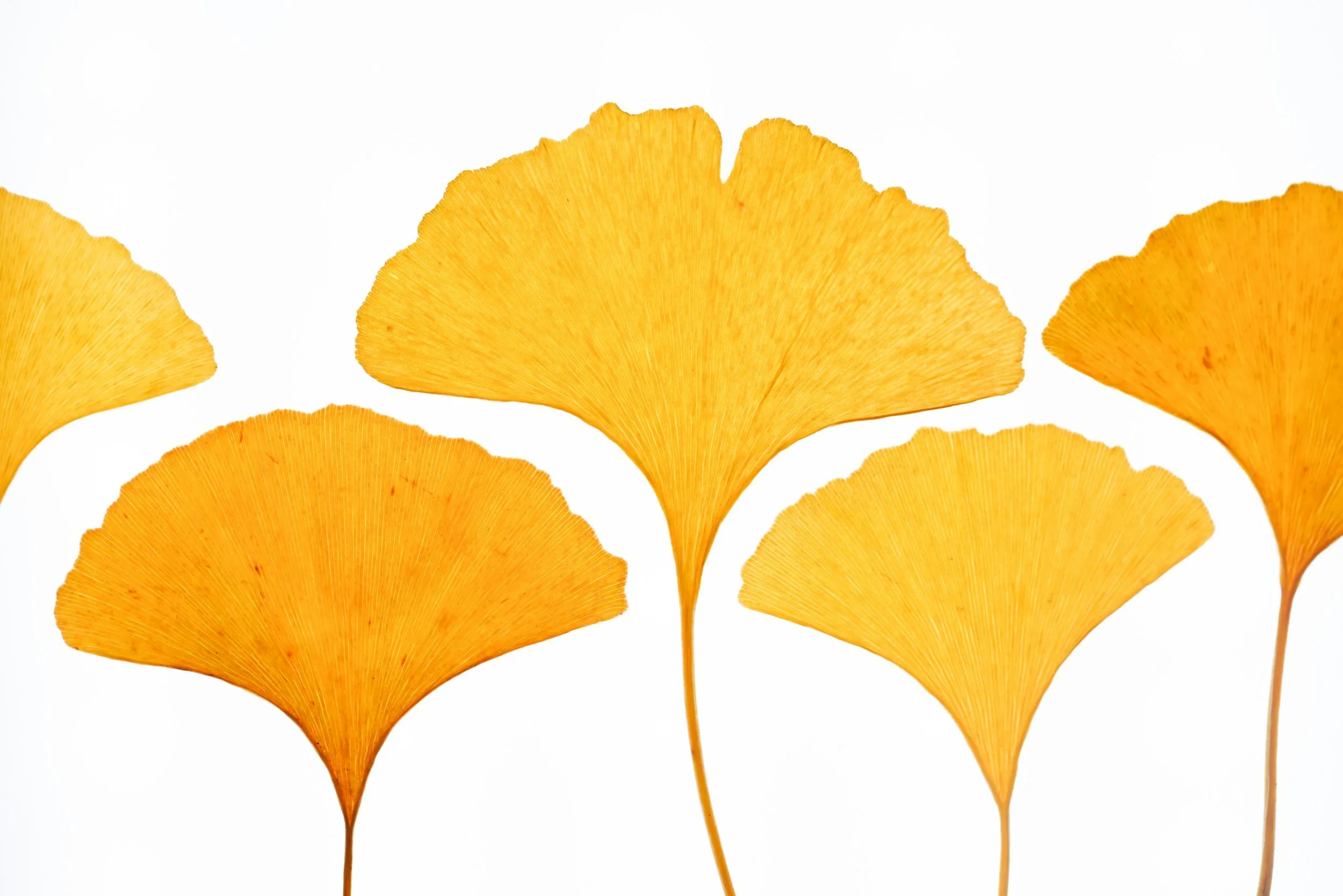
Among the most threatened are household names like Ginkgo biloba (Endangered) and Golden Seal (Hydrastis canadensis, Vulnerable).
Perhaps most concerning is the Guggul plant (Commiphora wightii), which is listed as Critically Endangered—the final step before extinction in the wild.
What is Killing the Plants?
You might assume that overharvesting for medicine is the only culprit, but the reality is more complex. The study identified 137 different types of threats facing these plants.
The top two major threats are:
Agriculture & Aquaculture: Farming and livestock encroachment are the biggest drivers of habitat loss, affecting 41 species.
Biological Resource Use: This includes the intentional "gathering" of the plants themselves, which affects 36 species.
When we look at specific sub-threats, "Intentional Use" (the deliberate targeting of a species for harvest) was the single most common threat code, affecting 19 species. Other stressors include invasive species, climate change, and "natural systems modification" like dam building or fire suppression.
The "Knowing-Doing Gap"
Even when we know a plant is in trouble, we aren't always great at saving it. This is what conservationists call the "Knowing-Doing Gap".
The study found that for the nine most threatened species, many did have "conservation actions" in place, such as being grown in botanic gardens (ex situ collections) or living within Protected Areas (PAs). However, Protected Areas are not foolproof; they often face challenges like poaching, encroachment, and the impacts of climate change.
Interestingly, for plants like Ginkgo, the study noted a lack of formal conservation actions in the wild, even though the plant has been cultivated for centuries.
The Limits of the Law
One might expect the law to step in, but legal protections are surprisingly sparse. CITES (the Convention on International Trade in Endangered Species of Wild Fauna and Flora) is the primary tool for regulating international trade.
The study found that only seven species (a measly 2.4% of the total) are covered under CITES Appendix II. These include:
Aloe africana, Aloe ferox, and Aloe spicata
Handroanthus impetiginosus (Pau d’Arco)
Hydrastis canadensis (Golden Seal)
Panax ginseng (Ginseng)
Rhodiola rosea (Roseroot)
Because so few medicinal plants are legally protected, the responsibility for sustainability often falls on the suppliers and consumers.
Sustainable Swaps
One of the most practical parts of the study is a list of "sustainable alternatives". If you are using a plant that is at risk, there is often a more common plant that offers similar therapeutic benefits.
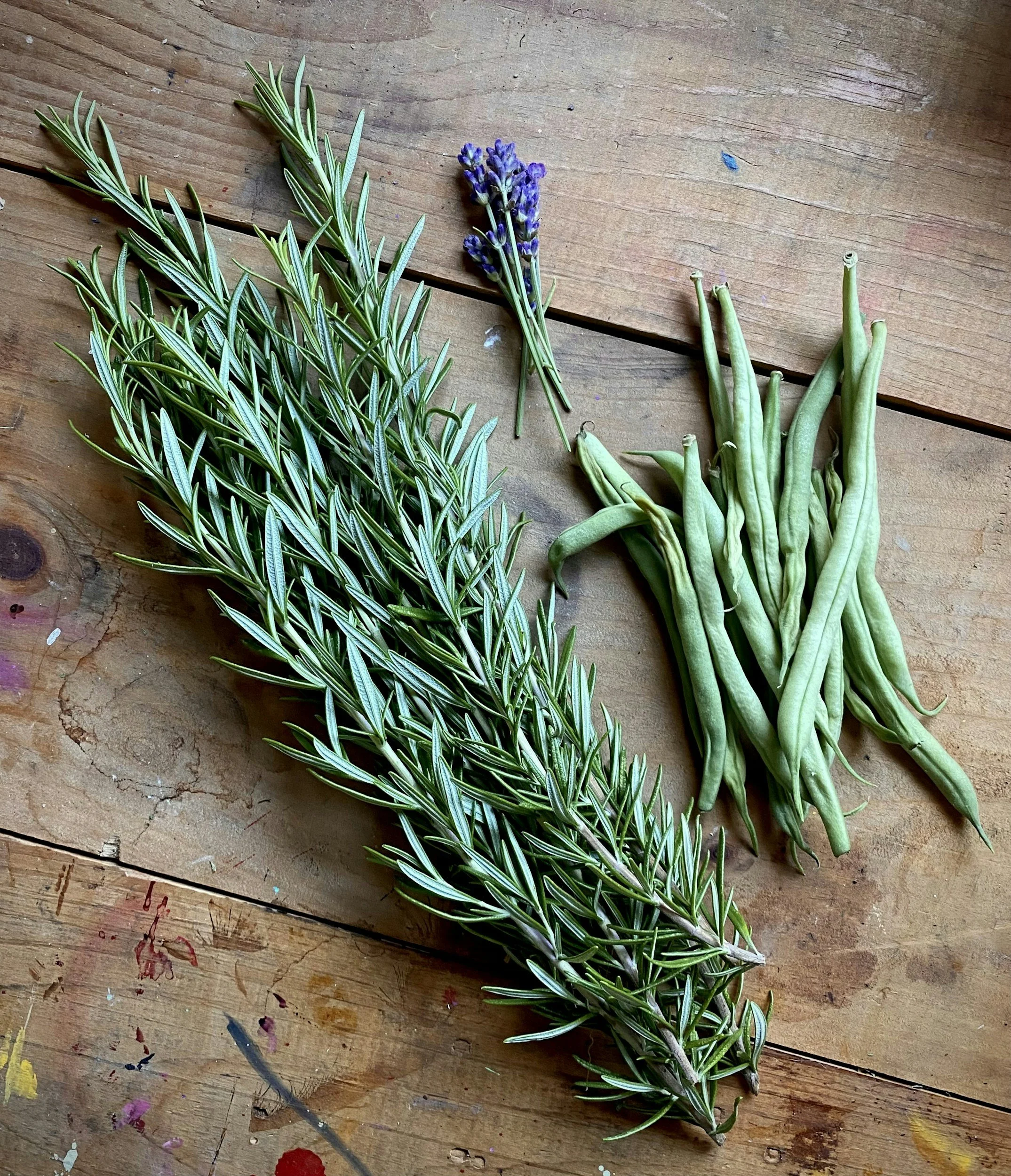
Instead of Ginkgo biloba (Endangered) consider Rosemary (Salvia rosmarinus), which is also used to support circulation and mental function.
Instead of Golden Seal (Vulnerable) try Marshmallow root (Althaea officinalis) or Garlic (Allium sativum) for supporting mucous membranes and addressing infections.
Instead of Guggul (Critically Endangered) look into Cleavers (Galium aparine) or Blue Flag (Iris versicolor) for similar traditional uses.
Moving Forward: Sourcing with Care
The study concludes with a call to action for the herbal industry. Currently, many UK suppliers do not explicitly mention sustainability schemes on their websites.
As a consumer or practitioner, you can look for:
FairWild Certification: This is the "gold standard" for sustainably wild-harvested plants.
Organic Accreditation: While organic doesn't always mean "sustainable for the wild population," it often indicates better farming practices.
Transparency: Ask your supplier where their plants come from. Are they wild-harvested or cultivated?