Will Autonomous Cars Actually Save the World?
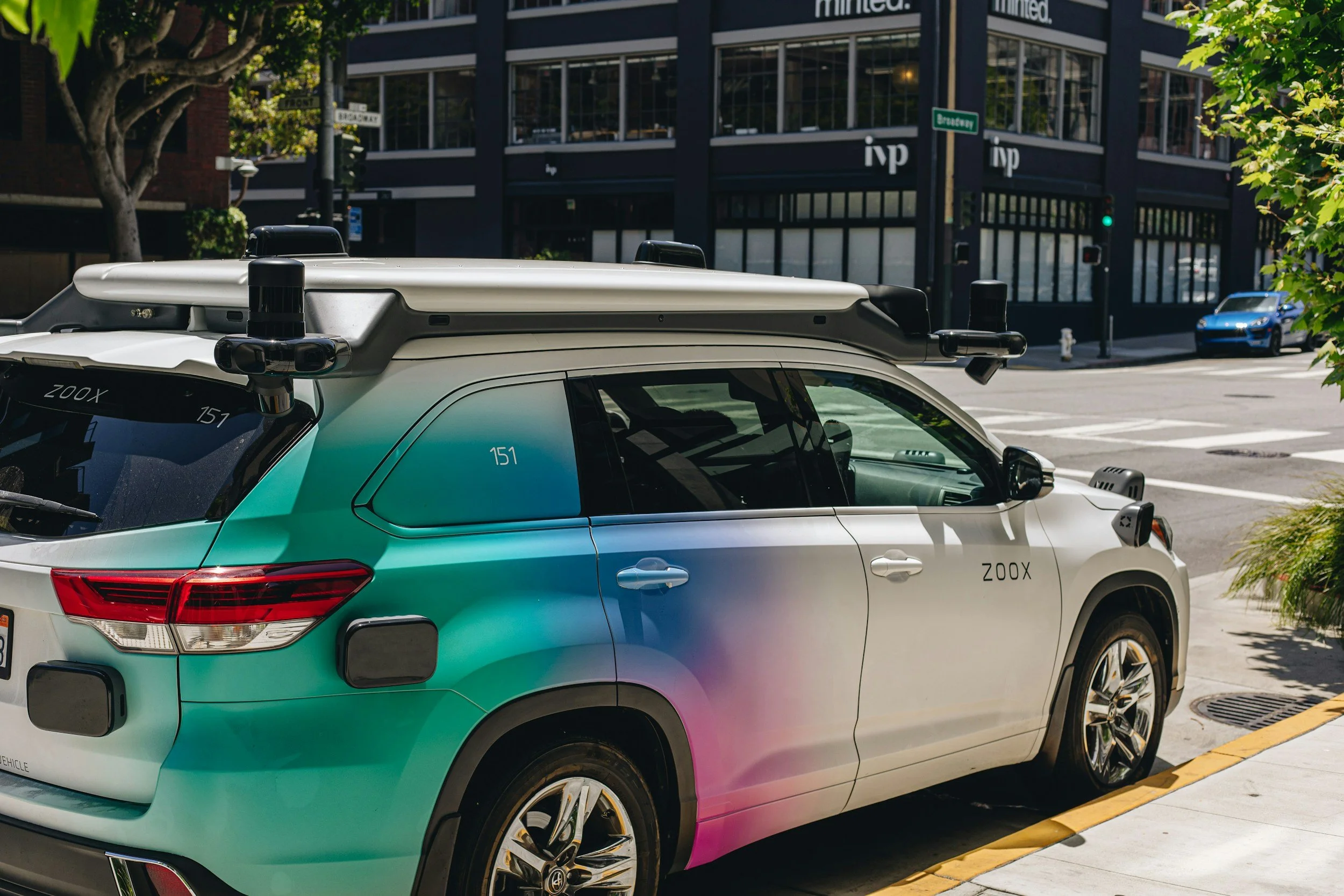
My first time riding in an autnomous vehicle in San Francisco was a bit surreal. I remember a dream I had as a child to ride around in self driving cars. Once in the car, it took me some time to trust the car would stop and yield - especially after it stopped in the middle of the road for a McDonald’s bag. Maybe it missed it’s mandatory lunch break. But once i was in the car for 15 minutes I was able to settle in.
For decades, science fiction has promised us a utopia of self-driving cars. We’ve imagined a world where we can nap on our way to work, accidents are a thing of the past, and traffic jams vanish into thin air. From mid-20th century stories to modern blockbusters, the "driverless future" has always looked bright, clean, and efficient.
But now that this technology is moving from sci-fi to reality—with pilot programs like Waymo already on the streets—we have to ask a tougher question: Is this technology actually sustainable?
Will self-driving cars (technically known as Autonomous Driving Vehicles, or ADVs) help us build a greener, fairer, and richer society? Or will they just clog our streets with "ghost cars," put professional drivers out of work, and create sprawling suburbs?
A major new study published in Sustainable Production and Consumption (2025) decided to find out. The researchers, Giuseppe de Leo and Giovanni Miragliotta, conducted a massive "systematic review," analyzing 49 different review papers published between 2009 and 2024. Their goal was to look past the hype and measure the true impact of autonomous cars using the Triple Bottom Line (TBL) framework.
What is the Triple Bottom Line?
Before we dive into the cars, we need to understand the yardstick being used. The researchers didn't just look at money or just at tailpipe emissions. They used the Triple Bottom Line (TBL), a holistic framework that measures sustainability in three parts:
Planet (Environmental): Pollution, energy use, and resources.
People (Social): Safety, equity, health, and accessibility.
Profit (Economic): Costs, jobs, productivity, and growth4.
As the study concludes, autonomous cars are not inherently "good" or "bad" in these categories. Their impact depends entirely on how we use them.
Will Driverless Cars Be Greener?
When we think of sustainability, we usually think of the environment first. The study found that autonomous cars offer a massive opportunity to heal the planet, but they also carry a hidden risk that could make things worse.
The Good News: Efficiency and Electrification
The biggest environmental win for autonomous cars is efficiency. Humans are inconsistent drivers; we brake too hard, accelerate too fast, and get stuck in traffic. Autonomous systems can optimize driving behavior (called "eco-driving"), maintain steady speeds, and drive in tight formations (platooning) to reduce wind resistance.
Furthermore, if these vehicles are electric—which most experts argue they must be—the benefits skyrocket. Coupling automation with electrification and renewable energy could lead to near-zero emissions7.
Another major benefit is the potential for shared mobility. If we stop owning private cars and instead use shared fleets of robotaxis, we could drastically reduce the total number of cars manufactured. In fact, research suggests that one shared car could replace approximately 10 to 15 privately owned cars.
The Bad News: The "Rebound Effect"
However, the study highlights a critical danger known as the rebound effect. Because self-driving cars make traveling easier, cheaper, and more comfortable (you can watch a movie instead of stressing over traffic), people might start traveling more. We might see:
Longer Commutes: People moving further away from cities because the drive is no longer a chore, leading to urban sprawl.
Ghost Trips: Empty vehicles driving around just to reposition themselves or pick up a package, clogging roads without a single passenger inside.
Modal Shift: People who currently walk, cycle, or take the bus might switch to private autonomous cars, increasing overall energy use.
One survey even found that 18% of people would use an autonomous car for trips they currently walk, and 32% for trips they currently cycle. This would be a disaster for energy consumption and public health.
Safety, Access, and Equality
The "Social" pillar of the Triple Bottom Line asks how this technology affects human lives. This is where the emotional argument for autonomous cars is strongest, but also where the ethical concerns are deepest.
The Promise: Saving Lives and Expanding Access
The most cited benefit in the entire study is road safety. Human error causes the vast majority of accidents. By removing drunk, distracted, or tired drivers from the wheel, autonomous cars could dramatically reduce crashes, injuries, and fatalities.
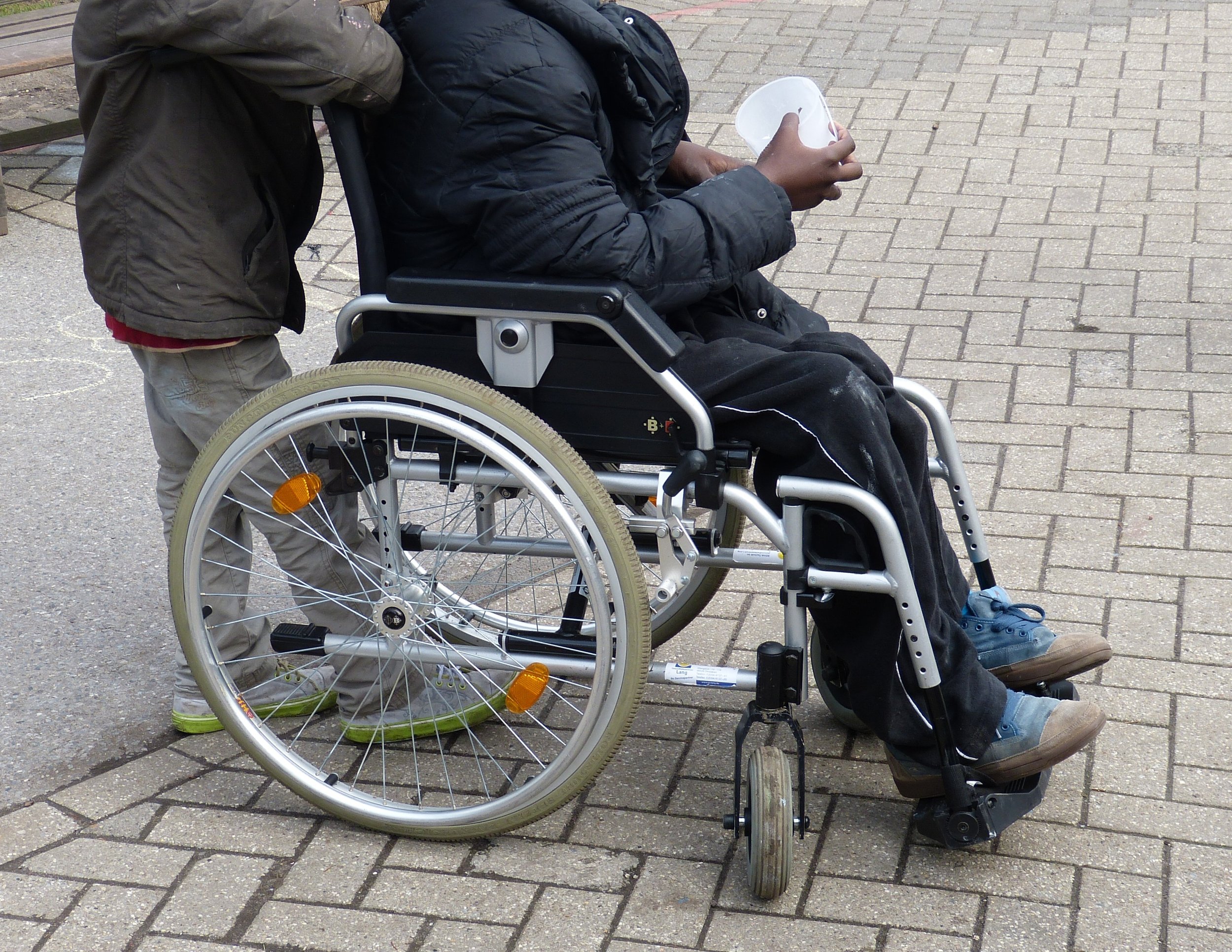
Beyond safety, there is the promise of inclusion. Currently, the elderly, the blind, and people with disabilities are often excluded from car-centric systems. Fully autonomous vehicles could restore their independence, providing door-to-door mobility for those who cannot drive. This is especially true for my son who has epilepsy and like many of his friends, may never be allowed to get a drivers license.
The Peril: The "Elite" Divide and Job Losses
However, the study warns that these benefits might not be shared equally. If autonomous cars are expensive, we risk creating a "mobility divide" where the rich enjoy safe, high-tech transport while the poor are left with crumbling infrastructure.
There is also the looming threat of job displacement. Millions of people make a living driving trucks, taxis, and delivery vans. Widespread automation threatens to erase these jobs, potentially widening the gap between the wealthy and the working class.
Additionally, there are health concerns. If door-to-door robo taxis become too cheap and convenient, we might become a more sedentary society, walking less and facing higher risks of lifestyle-related diseases.
The Economic Reality
Finally, is this technology economically viable? The "Profit" aspect isn't just about car companies making money; it's about the economic health of our cities.
The Opportunity: Productivity and New Economies
Time is money. By freeing drivers from the task of driving, autonomous cars turn travel time into productive time. You can work, sleep, or shop during your commute. But let’s be frank. When things become more efficient, employers raise expectations for workloads - so you may be working harder.
For cities, the economic gains could come from land value. Shared autonomous vehicles reduce the need for parking. Since one shared vehicle can do the work of many, we wouldn't need vast parking lots in city centers. Research shows that each shared autonomous vehicle could eliminate the need for more than 20 private parking spaces. Imagine converting those concrete parking garages into parks, housing, or businesses!
The Cost: A High Price Tag
The technology required for autonomy—LiDAR sensors, supercomputers, and real-time connectivity—is incredibly expensive. These high capital costs create a barrier to entry, making it hard for cities or smaller companies to adopt the technology.
There is also immense regulatory uncertainty. Without clear laws on insurance and liability (who pays if a robot car crashes?), investors are hesitant. The study notes that the "business case" for autonomous cars is still immature and unproven in the long term.
A Need For Improved Urban Planning
The most important takeaway from de Leo and Miragliotta’s review is that technology alone is not the answer. The sustainability of autonomous cars depends almost entirely on governance.
If we let the free market run wild, we might end up with a nightmare scenario: rich people living far from cities, commuting in private luxury pods, congesting the roads, and polluting the air, while public transit dies out.
However, if policymakers step in with smart rules, we can unlock the "utopia" scenario. The study suggests four key policy actions:
Zoning & Land Use: Eliminate minimum parking requirements and build "transit-oriented" zones.
Public-Private Partnerships: Governments and tech companies must work together to integrate robotaxis with existing bus and train lines.
Data Sharing: Cities should require companies to share traffic data to improve safety and urban planning.
Regulation: Mandate that autonomous fleets must be electric and encourage sharing (pooling) over private ownership.