Here’s What Women Want When It Comes To EV Purchases
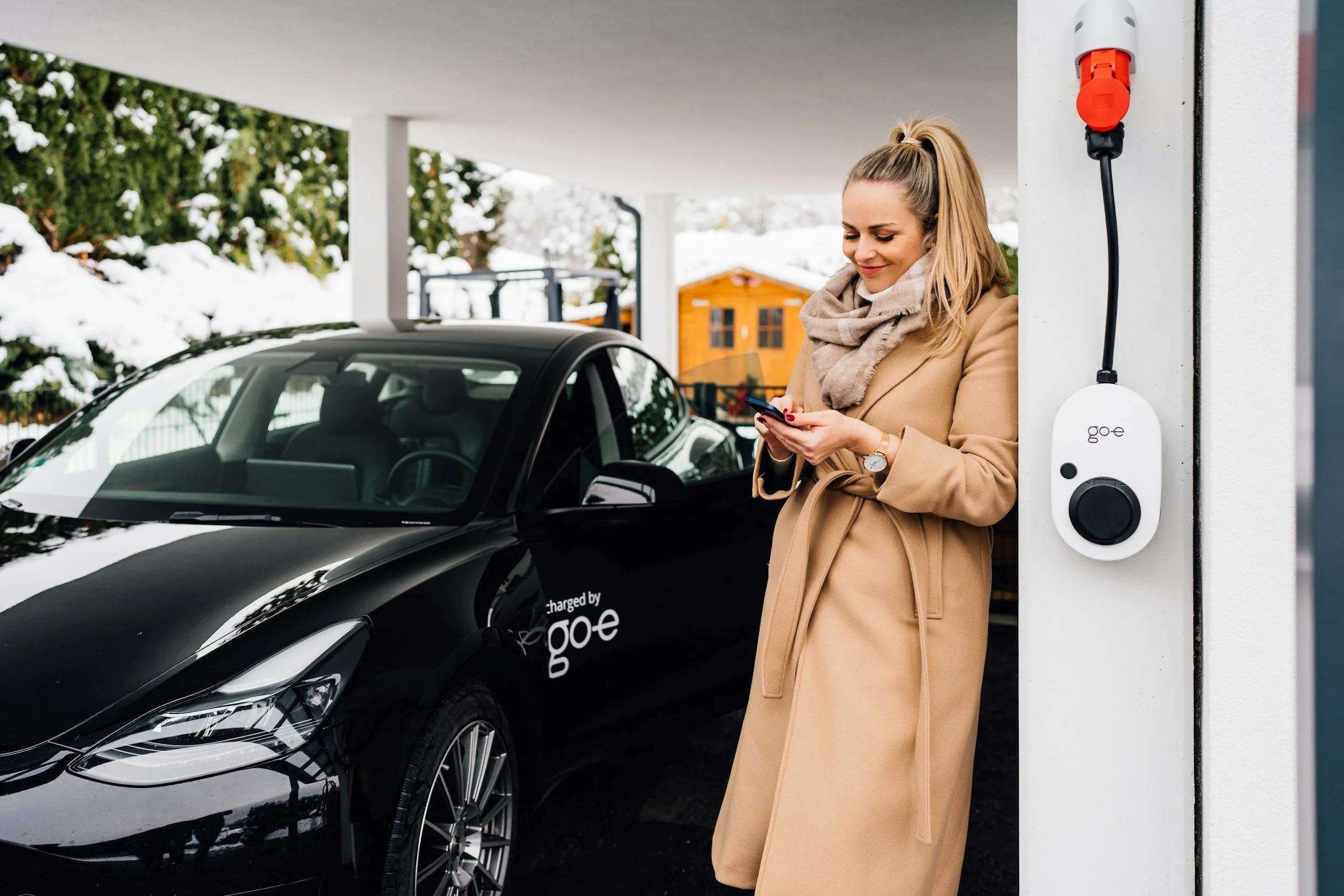
The transition to electric vehicles is about more than just switching from gas to batteries. It is about rethinking the relationship between the human and the machine.
While the stereotype that "guys like fast cars" holds true, the reality is more nuanced.
Do men and women look for the same things when they shop for an EV?
A fascinating new study titled "She Wants Safety, He Wants Speed" dives deep into this question. By using artificial intelligence to analyze over 270,000 social media posts, researchers Qi Zhu and Qian Bao have uncovered striking differences in how men and women evaluate, experience, and ultimately decide to buy electric cars.
The "She Economy" Takes the Wheel
For decades, the automotive industry was largely a boys' club, designed by men, for men. But the tides are turning. In China, where this study was conducted, women now account for nearly one-third of all New Energy Vehicle (NEV) purchases. In fact, for popular models like the Tesla Model 3 and the Li Auto L6, female ownership has surged past 35%.
This rise of the "She Economy" has forced automakers to stop guessing what women want and start listening. But traditional surveys can be boring and limited. Instead of asking people multiple-choice questions, this study looked at what people actually said to each other in the wild—on social media platforms like Weibo (Twitter-like), Xiaohongshu (Instagram-like), and Autohome.
The researchers used a psychological framework called the SOR Model (Stimulus-Organism-Response).
Stimulus (The Trigger): The car’s features (speed, looks, tech).
Organism (The Filter): The person’s internal processing (gender, emotions, logic).
Response (The Action): The decision to buy or walk away.
What they found was that while the Stimulus might be the same, the Organism—the gendered brain—processes it very differently.
What Men Want: The "Functional" Driver
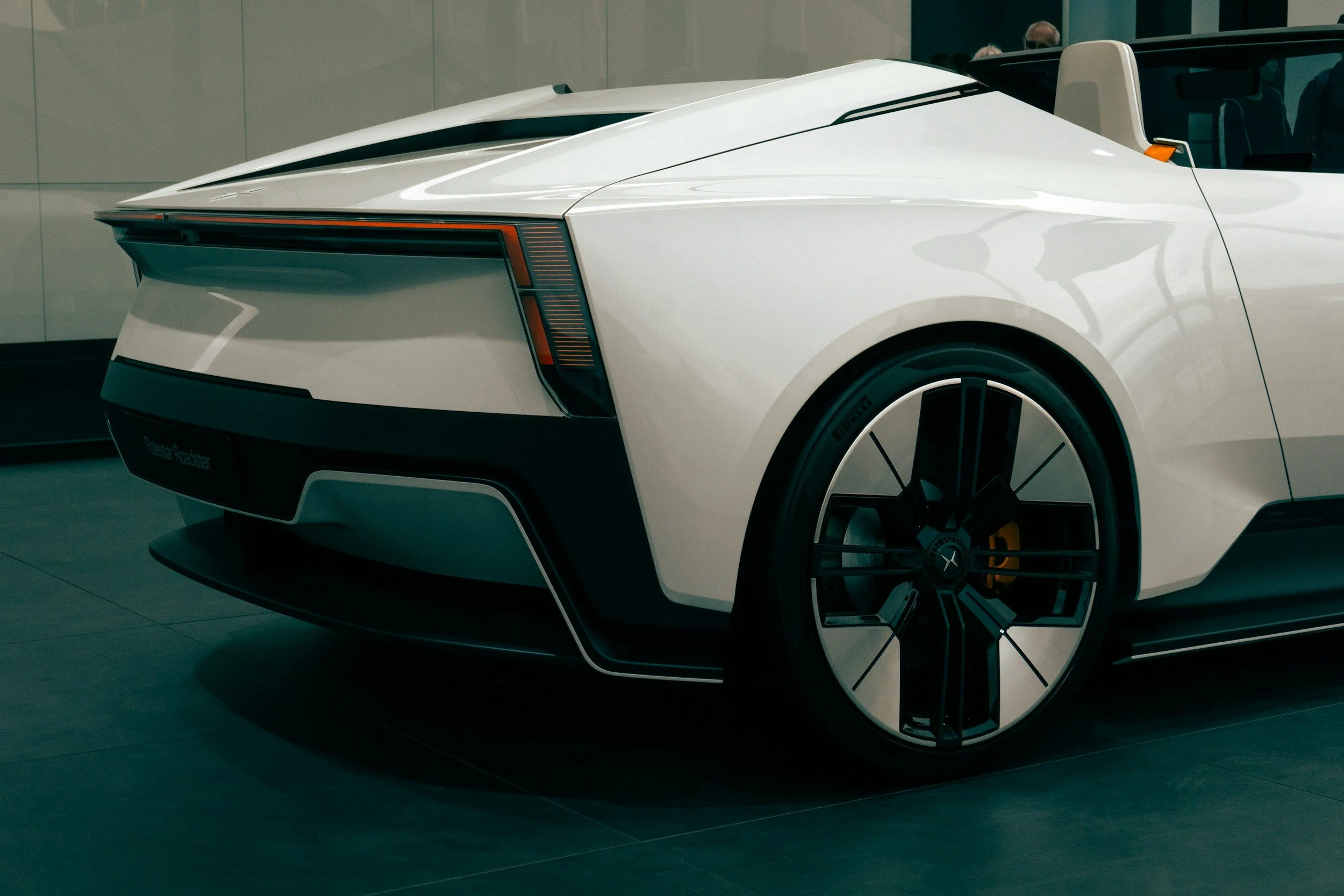
The study confirmed a long-standing stereotype but with a modern digital twist. Male EV consumers are overwhelmingly focused on functionality and performance.
When men talk about EVs on social media, their keywords are aggressive and technical. They discuss "power," "handling," "chassis stability," and "acceleration performance".
For the male consumer, the car is a machine that needs to be mastered. They value the thrill of speed—the "adrenaline surge" of hitting the pedal—and the technical specifications that prove the car is a superior piece of engineering.
Performance: Men want to know the torque, the horsepower, and the specific chassis tuning.
Technology: They view the car as a gadget. Features like HUD (Head-Up Displays) and simulated engine sounds are huge selling points.
Social Identity: For men, the car is often a status symbol that signals "restrained aggression" or technological savvy. Dark colors like "midnight black" or "metallic gray" are preferred to project a "night predator" aesthetic.
If you are selling a car to a man, show him the data. He wants to know it’s fast, durable, and packed with the latest specs. His decision to buy is a rational calculation: Does this vehicle perform better than the rest?.
What Women Want: The "Emotional" Experience
While men are calculating gear ratios, women are assessing the experience. The study found that female consumers prioritize safety, aesthetics, and intelligent convenience.
However, the most groundbreaking finding isn't just what they like, but how they decide. Women process these features through an emotional lens. They don’t just want a car that looks good; they want a car that creates a feeling of joy, security, and satisfaction.
Aesthetics (The Look): This is massive. Women frequently mention "esthetic appeal," "interior design," and "color matching" (like cream white or cherry blossom pink). A beautiful car isn't just vanity; it triggers a positive emotional state that drives the purchase.
Safety: Features like collision warnings, automatic parking, and night vision aren't just technical specs—they are peace of mind. They represent safety for themselves and their families.
Smart "Laziness": Women love intelligent features that make life easier. Voice assistants that control the AC or windows are highly praised because they reduce the mental load of driving. They want a "smart companion," not a complex machine.
For women, the car is a living space. It’s about how the ambient lighting makes them feel, how easy it is to park at the mall, and whether the car feels like a safe cocoon. Her decision to buy is emotional: Does this vehicle make me feel happy and secure?
The "Smart Tech" Paradox
One of the most interesting specific findings in the study was about "Intelligent Perception"—the smart tech inside EVs (like touchscreens, AI assistants, and automated driving).
You might assume everyone loves new tech. But the data showed a "masking effect".
Smart features are exciting and attractive. They create a "wow" factor. But, they can also be scary or annoying. There is a learning curve, and sometimes the tech feels overwhelming or difficult to use.
However, the study found that ultimately, the convenience wins. Even though there is some anxiety about learning new systems, the emotional payoff of having a car that can "drive itself" in traffic or change the music by voice command is too good to resist. This was especially true for women, who view intelligent assistance as a major stress reliever.
The Future of EV Design
So, what does this mean for the cars of tomorrow? The authors of the study suggest that car companies need to stop making "one size fits all" vehicles.
Gender-Sensitive Design: We might see more customization options. Imagine being able to choose not just the exterior color, but a "Sport" package (tuned for male preferences with aggressive styling and sound) vs. a "Comfort/Tech" package (tuned for female preferences with softer interiors and automated parking assistants).
Marketing Shifts: Brands need to tell different stories. On TikTok and Instagram, expect to see more lifestyle content—showing EVs at picnics or picking up kids—targeting female buyers. On tech forums and YouTube, expect nitty-gritty teardowns of battery efficiency targeting men.
The Rise of "Soft" Tech: As the "She Economy" grows, expect cars to become friendlier. "Cold" technology (complex buttons and screens) will likely be replaced by "warm" technology (intuitive voice controls, welcoming ambient lighting, and helpful AI).