What Are Hotels Doing To Be Green in 2026?
The word sustainability has now become a cliche. Are we “green”, “eco-friendly”, “carbon neutral”, “net zero”, or “nature positive”? It’s so damn confusing, and I have worked in the field since 2010.
I remember when I first came to San Francisco I was pleased to see a compost bin in the hotel room. But that’s just one small piece of the sustainability puzzle. What we do know is that travelers are begging for more sustainable travel option.
Sustainability now plays a role in how travelers choose where to stay. A Booking.com survey found that 76% of travelers want to stay in sustainable accommodation.
A 2024 Nature Humanities and Social Sciences Communications study found that guests at eco-certified hotels not only noticed environmental efforts but were more likely to leave positive reviews and return in the future.
According to a 2023 TripAdvisor study, properties with visible eco-certifications and transparent sustainability communication ranked higher in traveller trust and credibility.
Transparency in sustainability practices, including certifications and demonstrable actions, emerges as the most significant factor for Gen Z.
While most travelers say they value sustainability, far fewer book accordingly. That’s partly because greenwashing has blurred the line between intention and impact.
The truth is hotel companies will directly benefit from taking action on sustainability. Hotels that invest in sustainability see a direct return in the form of lower operating costs. According to the U.S. Department of Energy, energy-efficient buildings can reduce energy use by 20 to 30 percent. But, how can we track this? Let’s start with green certifications - again there are a million which can easily create confusion and lead to greenwashing.
Green Hotel Certifications
Third-party certifications provide reliable indicators of a hotel’s environmental commitment. Third-party certifications like LEED, Green Key, and EarthCheck are essential indicators of genuine eco-friendly practices, helping travelers avoid greenwashing and identify truly sustainable properties. Booking.com has adopted certifications as a way of tracking hotel sustainability.
The most respected certifications include:
LEED Certification (Leadership in Energy and Environmental Design): Evaluates building design, construction, and operations across categories like energy efficiency, water conservation, and indoor environmental quality
Green Seal: Focuses on environmental standards for lodging properties, including waste reduction, energy conservation, and chemical management
Green Key: International eco-label for tourism accommodations that assesses 13 areas of environmental responsibility
EarthCheck: Comprehensive certification covering environmental, social, and economic sustainability
BREEAM: Building Research Establishment Environmental Assessment Method, primarily used in Europe
Global Sustainable Tourism Council (GSTC): International standards for sustainable travel and tourism -there are currently more than 3,000 hotels on the list.
Travelife: Sustainability certification for accommodations and tour operators
Rainforest Alliance: Certification for tourism businesses meeting environmental and social standards
ISO 14001: International environmental management system standard
Green Globe: Worldwide sustainability certification for travel and tourism
Green Hotels Association: The Green Hotels Association provides a meeting place for hotels interested in being green.
Hotel Association of Canada - Green Key Eco-Rating Program to enhance green competitiveness through the Green Leaf Eco-Rating Program.
Audubon International Green Lodging Program: strong commitment to water and resource conservation, waste minimization and energy efficiency.
Hotel Construction and Design
The foundation of a truly sustainable hotel or resort begins long before the first guest arrives—it starts during the planning and construction phase. Sustainable construction can reduce a building’s operational costs by up to 20% over its lifetime, while preserving the surrounding environment.
Instead of clearing untouched natural areas, developers should prioritize repurposing used or previously disturbed land. This helps protect local ecosystems and biodiversity while making use of existing infrastructure like roads and utilities—reducing the overall environmental footprint of the project. This can be seen with brownfields development and infill in cities, leaving nature untouched.
Opt for eco-friendly building materials such as reclaimed wood, recycled steel, low-VOC paints, bamboo, and concrete alternatives with lower carbon emissions. These materials not only reduce the impact on natural resources but often contribute to better indoor air quality and energy performance.
Furnishing and decorating with locally sourced, ethically made, and sustainably harvested products reduces transportation emissions and supports the local economy. Hotels should partner with local artisans and suppliers to source furniture, textiles, and fixtures made from renewable or recycled materials. This reduces supply chain carbon emissions, which is one of the largest sources of pollution in hotels typically.
Incorporating native and drought-resistant plants into the landscaping design supports the local ecosystem while requiring less irrigation, fertilizers, and maintenance. Sourcing landscaping materials locally also reduces emissions and supports regional businesses. Avoiding invasive species and favoring biodiversity-rich designs creates a more resilient environment around the hotel. A great example is the creation of pollinator habitat and forests that create beauty on the properties.
Energy Efficiency and Renewable Systems
Energy consumption is one of hotels’ most significant environmental impacts, accounting for a large portion of their operating expenses and carbon footprint.
Photovoltaic panels and solar thermal systems for electricity generation and water heating, similar to the solar power systems used in residential applications.
Installing smart thermostats enables hotels to optimize heating and cooling based on real-time occupancy patterns, reducing energy consumption by 10–30%.
Hotels should invest in Energy Star-rated appliances, which can consume up to 50% less energy than standard models. Focusing on high-usage areas like kitchens and laundry facilities can yield significant savings quickly. These upgrades not only reduce utility bills but also align with growing guest expectations for eco-conscious travel.
Switching to LED bulbs can slash lighting-related energy costs by as much as 75%. Hotels should prioritize replacing outdated lighting in guest rooms, lobbies, hallways, and outdoor areas to maximize savings and improve lighting quality.
Water Conservation and Waste Management
Water management is crucial if hotels aim for eco-friendly status. Mismanagement of water resources can lead to increased costs and environmental issues. Water conservation efforts can save hotels around $200 per guest room annually.
Installing low-flow faucets, showerheads, and toilets can reduce water use by up to 50%. This small investment pays off significantly in the long run.
Hotels can implement greywater systems that recycle water from sinks and showers for irrigation. This promotes efficient water use without compromising guest experience.
Local Sourcing and Organic Food Programs
Sustainable dining practices significantly impact a hotel’s environmental footprint. Examples include farm-to-table programs, seasonal menus, on-site gardens, and plant based options.
Educating Staff and Guests
Often we forget about the role of staff in promoting green practices. This is call Green Human Resources Management and is critical since staff will have multiple touchpoints with travelers over the cours of their stay.
Education plays a critical role in promoting eco-friendly practices within hotels. Regular training sessions should be held to educate staff on sustainability practices, the importance of eco-friendly measures, and how they can contribute. Engaged employees are more likely to implement sustainable practices in their daily operations.
Hotels should clearly communicate the hotel's eco-friendly practices through signs, brochures, or the hotel’s website. Guests appreciate knowing how they can help contribute, such as participating in recycling programs.
Best Western Sustainability
BWH Hotels (Best Western, WorldHotels) enhance sustainability through initiatives like reducing single-use plastics, installing LED lighting, and implementing water-saving laundry, which cuts usage by up to .
Hotel Haarhuis, located in Arnhem, Netherlands, holds the prestigious Green Key Gold certificate. A standout feature is the hotel's Vertical Farm, an urban oasis that inspires guests with its lush greenery. This innovative farm supplies fresh, local ingredients for the hotel's restaurant, LOCALS. The hotel is dedicated to reducing its carbon footprint by sourcing all ingredients exclusively from the Netherlands, including wines. Solar panels power the kitchen, ensuring CO2-neutral cooking year-round. With a focus on local sourcing and renewable energy, the hotel exemplifies sustainable gastronomy, advocating for environmental stewardship and community well-being.
Located in Ubud, Indonesia, SenS Hotel & Spa leads the way in sustainable hospitality as the first large-scale hotel in Ubud to harness solar energy. Their innovative approach to energy conservation includes installing solar panels to power lighting in all guest corridors, landscaped areas, and the main hotel entry.
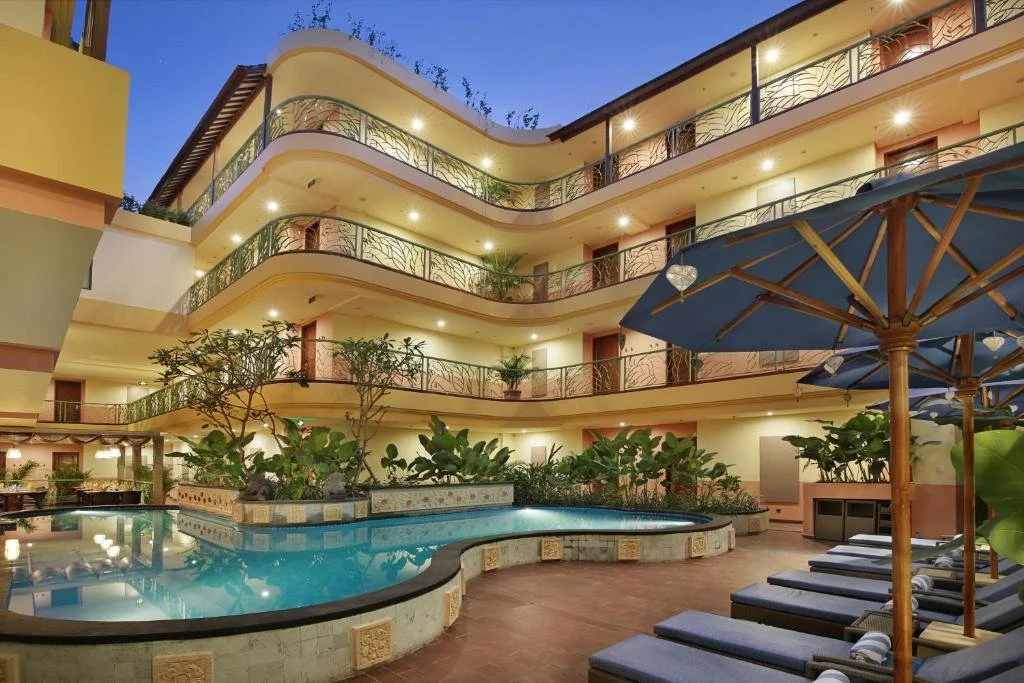
At Caravelle Saigon in Vietnam they've led the way as the first and only property in Vietnam to secure the prestigious ‘Earth Check’ gold certificate. By implementing initiatives like their glass and refillable bottle project, they eliminate up to 300,000 single-use plastic bottles annually in both guest rooms and banqueting operations. Their commitment to energy efficiency shines through with 100% electricity-saving LED bulbs and double-glazed windows in newly renovated guest rooms, reducing reliance on air conditioning while enhancing insulation. Their dedication to sustainability extends to in-room amenities sourced from wheat husk, ensuring 100% biodegradability.
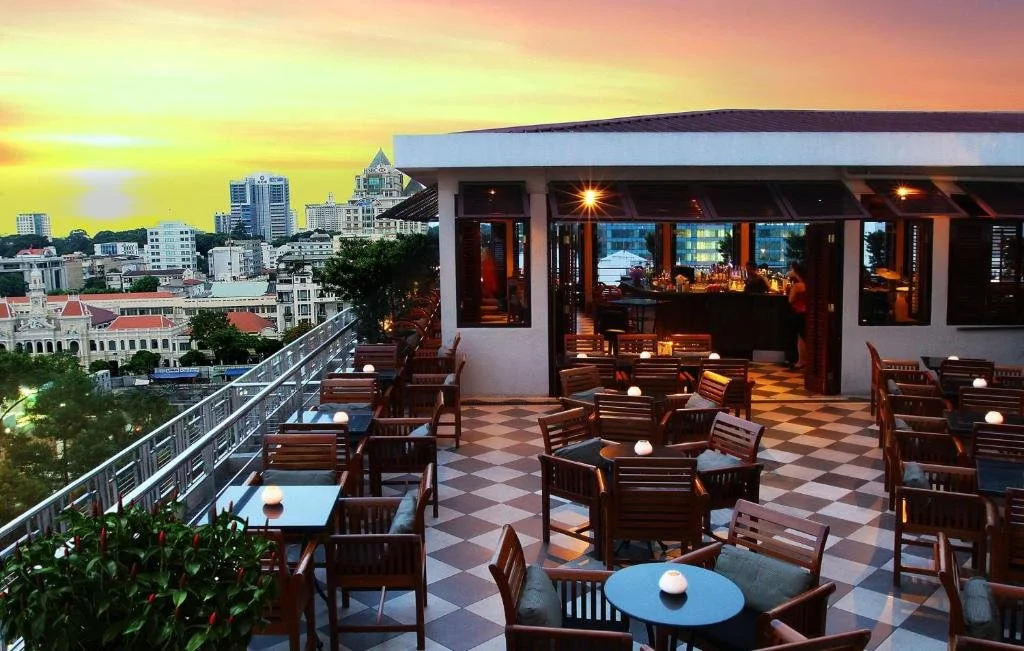
Bai Hotel Cebu in Cebu, Philippines, is committed to sustainability through a range of innovative initiatives. The hotel has implemented energy-efficient lighting and appliances to reduce electricity consumption. They utilize a rainwater harvesting system and water-efficient fixtures to conserve water. Bai Hotel Cebu also focuses on waste management by segregating waste, recycling, and reducing single-use plastics.
Choice Hotels Sustainability
Choice Hotels promotes sustainability through its "Room to be Green" program, focusing on energy/water conservation, waste reduction, and EV charging stations across brands like Cambria, Comfort Inn, and Sleep Inn.
I recently found out that 95% of their U.S. hotels are within a 1.5-hour drive to a national park and 60% are within a 45-minute drive. Choice customers are also significantly more likely to have visited national parks on a vacation in the past 12 months compared to the overall hotel industry and U.S. population. As someone who loves National Parks I am glad to see their collaboration with the National Park Foundation to support impactful environmental and social initiatives.
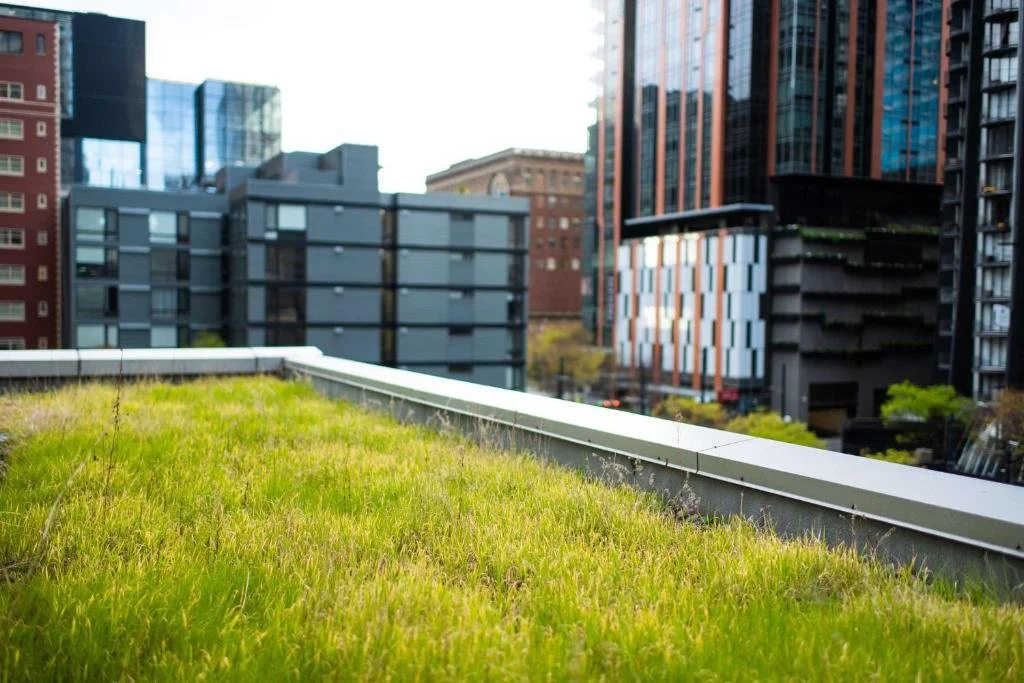
Cambria Hotel Denver has achieved 4-key certification from Green Key Global, one of its highest levels of certification. This includes a cool and green roof with native plants, photovoltaic panels, EV charging, and high efficiency equipment.

Hyatt Sustainability
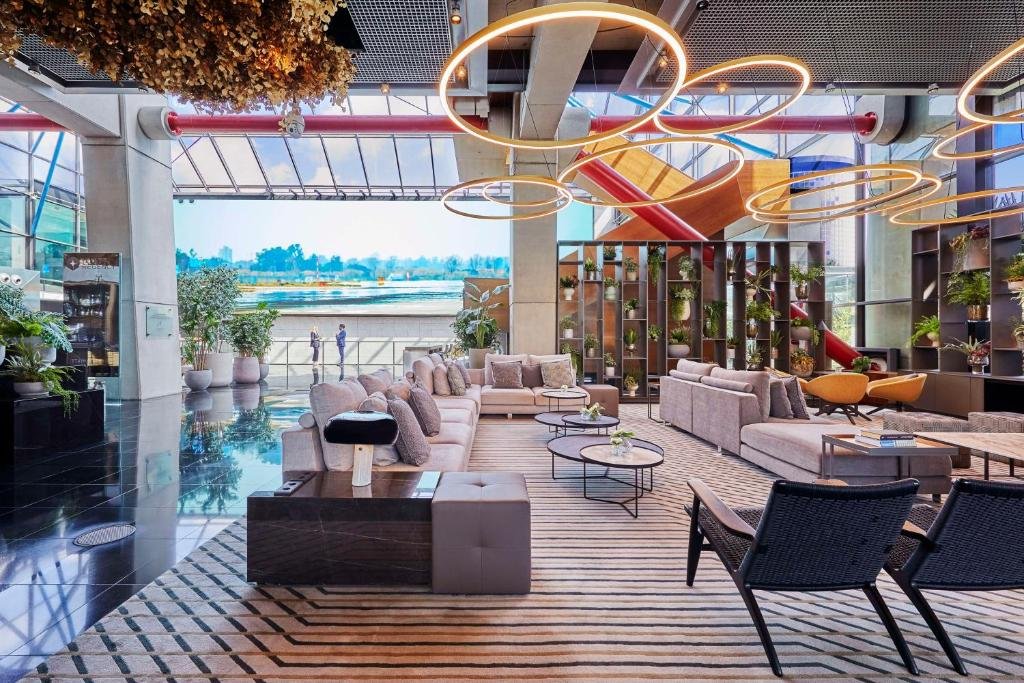
Hyatt Regency Barcelona Tower, has a Biosphere Certification, a tourism sustainability certification which focuses on the present and future of sustainable tourism, and develops a private system of voluntary and independent certification, based on the principles of sustainability and continuous improvement. They use Hyatt EcoTrack to monitor sustainability metrics including gas emissions, energy, water, waste and recycling. 100% of the hotel's electricity consumption is guaranteed to be sourced from renewable sources, resulting in zero emissions. Interestingly they use biodegradable wooden keys for all rooms. These keys are easily biodegradable in the natural environment as well as being durable and reusable.
Hyatt at Olive 8 in Seattle is Green Key certified to 5 Keys, the highest level as well as Silver-certified by LEED. They took an innovative approach with the Transfer of Development Rights program, permanently protecting 284 acres of local forest at Sugarloaf Mountain.Onsite they have a green roof to capture rainwater, rooftop wind turbines that are powered with fan exhaust, 50% of food is locally grown and 60% of seafood is sustainably harvested, and 350,000+ tons of yard and food waste is diverted from landfills through composting practices!
IHG Sustainability
IHG’s sustainability architecture is centered on Green Engage, an operational platform giving all IHG hotels access to over 200 “Green Solutions” to reduce energy, water and waste.
More recently, IHG launched its Low Carbon Pioneers programme, targeting hotels with zero on-site fossil fuel combustion and advanced energy systems including heat pumps & induction kitchens.
As part of its climate ambition, IHG has also committed to a 46% reduction in CO₂ emissions by 2030 [versus baseline] through science-based targets.
And remember those bathroom toiletries that some of us might collect during our travels? In 2019, IHG became the first global hotel group to commit to replacing bathroom miniatures with refillable dispensers worldwide.
In Greater China, they expanded their partnership with Ant Forest to nearly 480 hotels enables guests to forgo selected amenities in exchange for green points that contribute to tree-planting programs.
In the US, owners can access the Renew, Renovate, Recover playbook, which helps identify partners that can refurbish or repurpose equipment. In 2025, for example, more than 100 US hotels participated in a decommissioning program for packaged terminal air conditioners, with over 2,000 units diverted from landfill upon replacement.
voco Zeal Exeter Science Park is IHG’s first branded net zero* carbon hotel, in partnership with Zeal Hotels and Valor Hospitality. It has been designed to operate entirely on renewable and solar energy. The voco Zeal Exeter Science Park stands out with its sustainable design, which earned a BREAAM Outstanding rating, a renowned sustainable buildings certification. It is the first building in the UK that has utilised the Solarlab vertical photovoltaic panels as a rainscreen cladding system. It also follows the Passivhaus standard for ultra-low energy buildings and uses adiabatic cooling and heat reversible heat pumps to reduce energy usage.

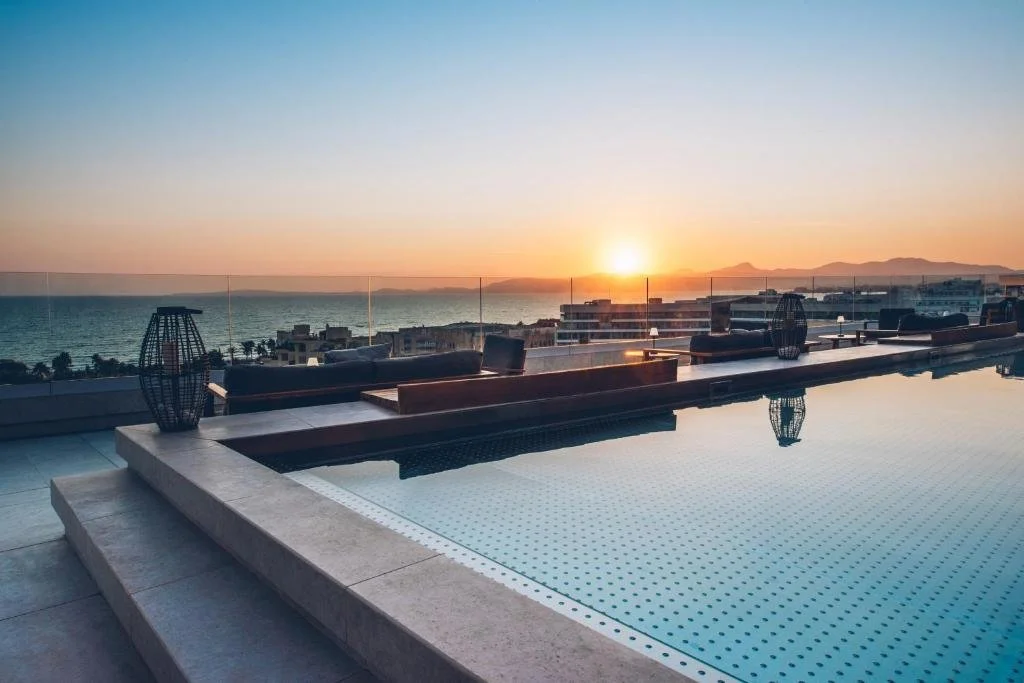
Iberostar Resort of IHG. Iberostar was one of, if not the first resort chain in the world to go single-use plastic free as of 2020. Not just in the rooms but, unless where legally required, throughout the whole resort. Each year, they now avoid using 692 metric tons of plastic, which amounts to 2 tons per day, or 41 pounds per person on a 7-night stay. Iberostar Selection Llaut Palma offers a lovely spa experience on the ocean or you can go top natural hot springs at Fontsanta Hotel Thermal Spa & Wellness.
Accor Sustainability
Accor is working towards 100% eco-certification of all their hotels by 2026, collaborating with some of the most demanding global programmes such as Green Key and Green Globe for independent sustainable certification. In 2024, the number of eco-certified hotels tripled, rising from 480 in 2023 to 2,000, reaching 50% in 2025. Additionally, 88% of hotels have eliminated 50+ single-use plastic products.
JO&JOE Gentilly (France) is recognized as the first BBCA-certified low-carbon hotel, focusing on sustainable, bio-sourced construction materials.
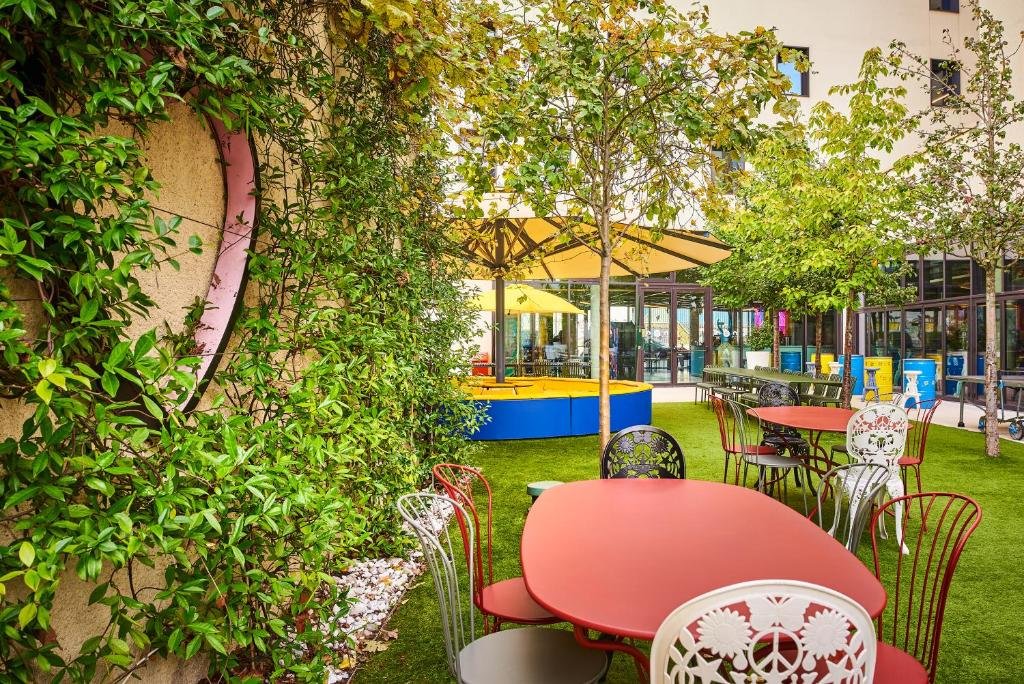
Fairmont Mayakoba (Mexico) is a Green Key-certified resort offering extensive staff training on environmental protection, marine life conservation, and local community engagement.
Mercure Melbourne Doncaster (Australia): Features sensor-based energy management, paperless operations via QR codes, and elimination of single-use plastic bottles.

Novotel Itu Golf & Resort (Brazil): The first resort in Brazil to earn Green Key certification, focusing on water conservation and energy efficiency.
Radisson Hotel Group Sustainability
Radisson’s primary focus is to manage its global hotel portfolio sustainably by aiming for the lowest carbon, energy, water, and waste footprint within both its operations and across the broader value chain. Radisson Hotel Group automatically compensates the carbon footprint of every single meeting and event taking place at any of their hotels worldwide.
To measure impact, the Responsible Business and Safety and Security scores in the Guest Satisfaction Survey are help identify gaps. Guests’ feedback provides critical insights that help hotels prioritize their actions. Guests have highlighted several key areas for improvement, such as enhancing communication about Responsible Business actions and initiatives as well as finding ways to encourage sustainable guest behavior.
Radisson Hotel Group has launched Verified Net Zero hotels, including Radisson Hotel Manchester City Centre (UK's first) and Radisson RED Oslo City Centre, featuring 100% renewable energy, electrified systems, and waste reduction.
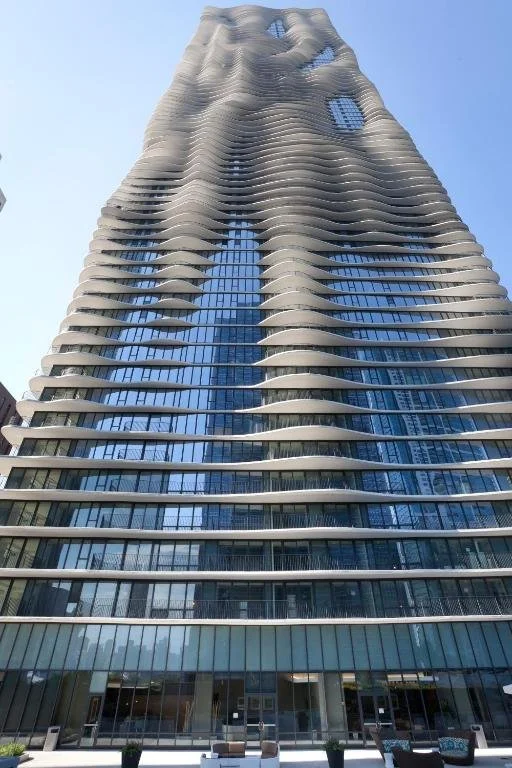
Aqua Tower of the Radisson Blu Aqua Hotel Chicago has been honored with a prestigious PETA Award for its innovative bird-friendly design. The building incorporates bird-deflecting elements into the skyscraper’s design, significantly enhancing visibility for birds and setting a new standard in urban architecture.
Radisson Blu Hotel, Bengaluru Outer Ring Road has become the first Radisson property globally to achieve the prestigious LEED zero carbon certification awarded by the US Green Building Council. The hotel offsets 4,038 T CO2e annually via onsite and offsite solar plants, an in-house biogas plant, and certified carbon credits. Its operations eliminated over a ton of plastic waste annually with glass bottles and recycles 100% of laundry water through advanced systems.
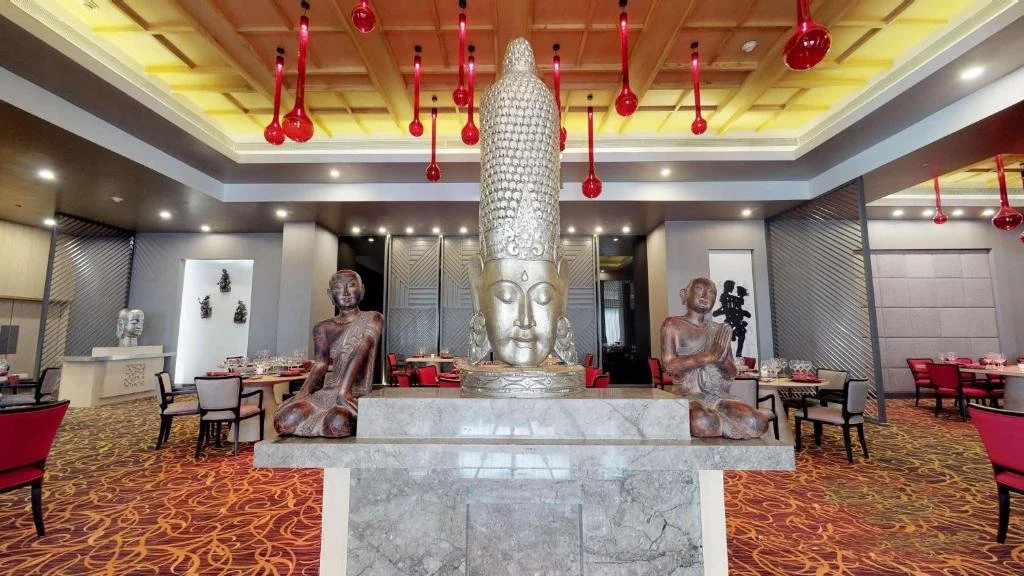
Radisson Blu Hotel Nagpur is the only LEED (Gold) Certified building in the city. And here is why: the pioneering resort is a champion in terms of renewable energy use: 100% of all energy supply is derived from wind power. Plus, solar panels heat the water supply, a tree plantation project was launched on hotel grounds, and the staff regularly coordinates charitable work from clothes and blood donations to supporting local orphanages and woman's rights groups.
Radisson Blu Dhaka Water Garden in Bangladesh has won a number of sustainability awards like the Silver Award in the “Eco-Friendly Hotel” category. The hotel has eliminated single-use plastics by replacing plastic straws, cutlery, and water bottles with sustainable alternatives. Additionally, Radisson Blu Dhaka Water Garden has introduced reusable water bottles and an in-house water filtration system, effectively reducing plastic waste by 90%.

Four Seasons Hotels and Resorts Sustainability
Four Seasons Resorts are moving towards sustainability in energy use, packaging waste, water conservation, and food waste reduction.
In 2024, they completed the implementation of a new utility management platform that uses automation to collect high-quality, reliable utility data and deliver critical analytics for property teams. The platform tracks energy, water and waste consumption, and calculates our carbon emissions. Their design and construction standards require all new construction and major renovations to achieve LEED Gold certification or higher or an approved regional equivalent (e.g., BREEAM in Europe).
In 2024 they eliminated over 4,475 kg of packaging waste – 45% more than in 2023. One vital step in this journey was the replacement of complimentary single-use plastic water bottles with more sustainable alternatives, including glass bottles that can be refilled on-site. Through the diligent efforts of our teams, they avoid the use of over 10.9 million single-use plastic water bottles annually, with 95% of properties reporting that these bottles have been eliminated from the guest experience.
In 2024, 96.5 million liters of water were conserved through innovative technologies and conservation efforts made possible by our partnership with Ecolab. That’s equivalent to the drinking needs of more than 88,000 people.
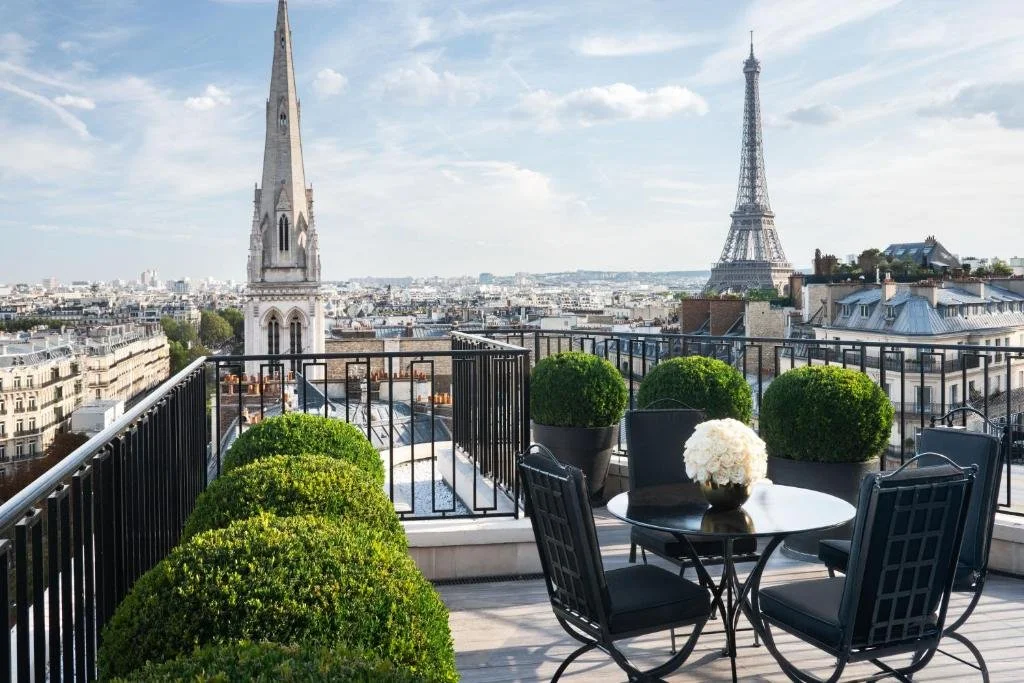
Four Seasons Hotel George V, Paris became the only luxury 5-star hotel in the world to achieve a dual BREEAM In-Use certification with an “Excellent” rating.
Four Seasons Resort Bora Bora won Tahiti Tourism’s Concours des Initiatives du Tourisme Durable 2024 (2024 Sustainable Tourism Initiatives Competition) for their efforts to support individuals with physical disabilities across the island.
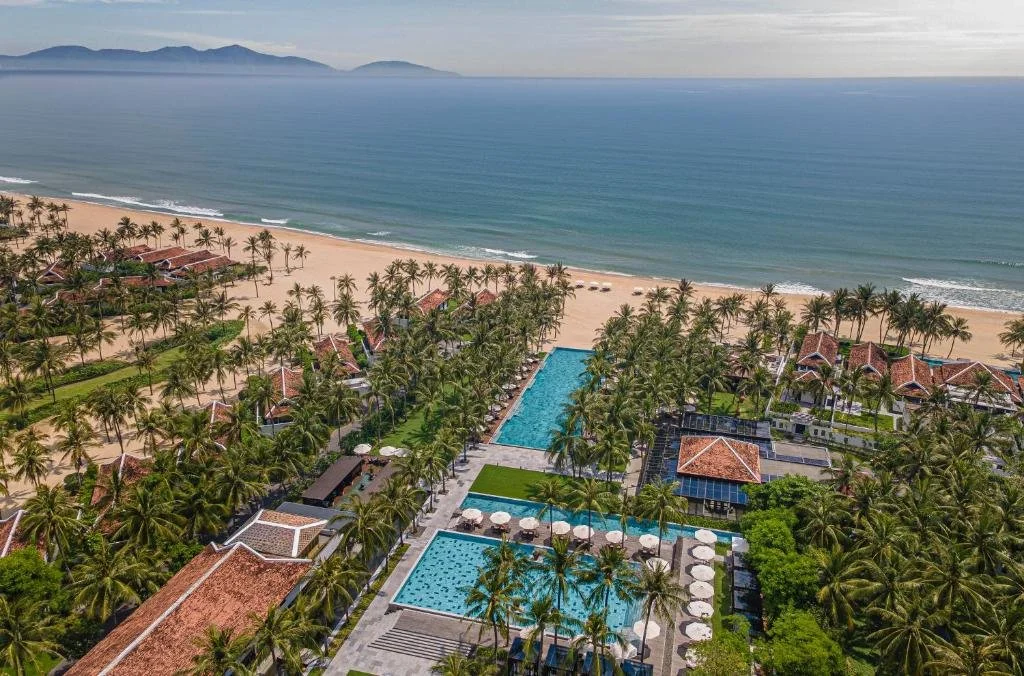
Four Seasons Resort The Nam Hai, Hoi An, in addition to an orchid nursery to produce decorative flowers in-house, the resort contains two acres of organic gardens that grow more than 40 seasonal varieties of herbs and vegetables, as well as 100 mango trees, 4,500 coconut trees and more than a dozen jackfruit trees. Five dedicated gardeners harvest fruit from the trees daily. In all, 90% of the food served at Four Seasons Resort The Nam Hai is sourced locally.
Marriott Sustainability
Marriott International operates several highly sustainable, award-winning hotels featuring innovations like 100% solar power, on-site water desalination, and advanced food waste reduction systems.
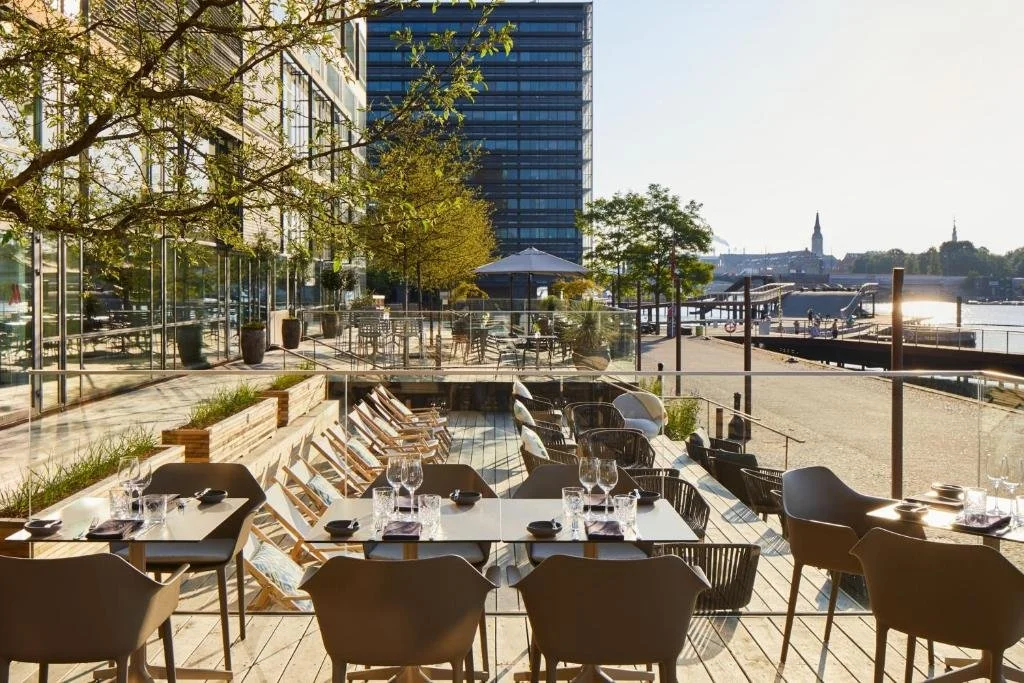
Copenhagen Marriott Hotel (Denmark): Features rooftop beehives to support urban biodiversity and partners with a local organization to train marginalized residents as beekeepers.
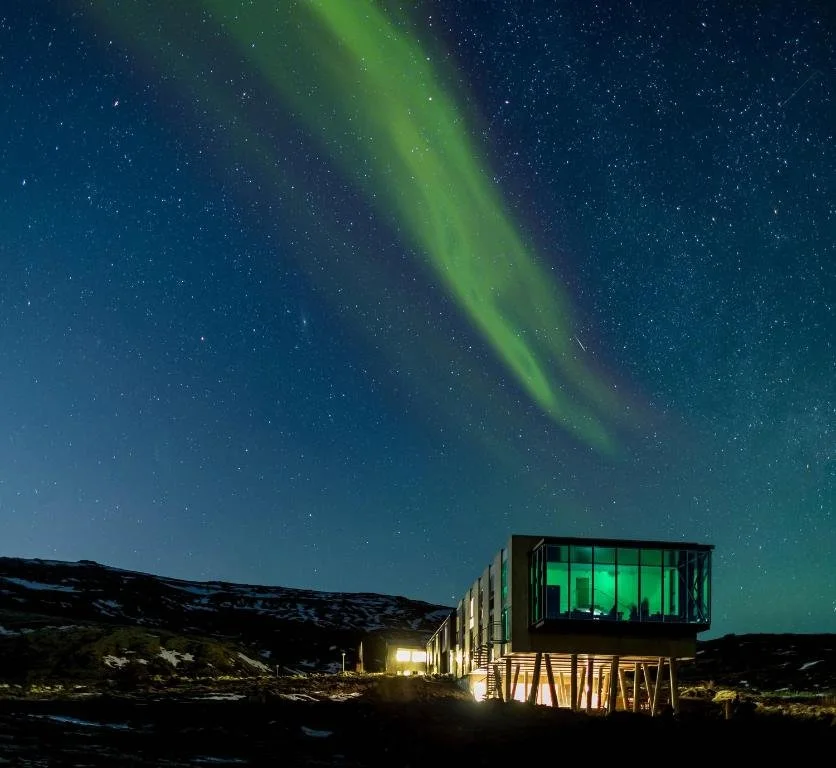
ION Adventure Hotel, Nesjavellir, a spectacular futuristic space created by Sigurlaug Sverrisdóttir, an Icelandic designer renowned for her passion for local authenticity. The glass-sided building, perched high on the purple flanks of the Mount Hengill volcano, has breathtaking views over the lakes, hiking trails and other awe-inspiring attractions of Thingvellir National Park. On property, you’re guaranteed to enjoy a totally immersive experience featuring locally sourced artwork, recycled furniture, fair-trade organic bedding, spa products made from the region’s mineral-rich volcanic ash and clay, and farm-to-table feeding at Silfra Restaurant.
Bucuti & Tara Beach Resort
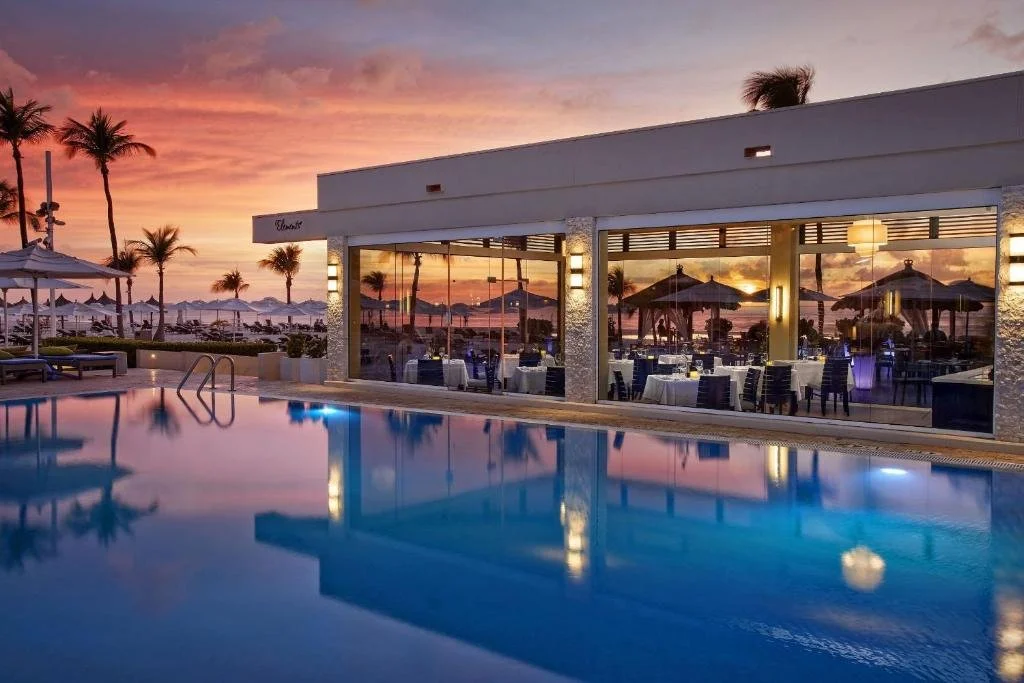
Bucuti & Tara Beach Resort in Aruba has earned Green Globe recertification, extending more than 20 years of environmental performance. The carbon-neutral resort remains the only hotel in the world to have achieved two perfect 100 percent Green Globe scores and continues to hold Green Globe Platinum status, a designation recognizing long-term excellence across environmental, social and economic performance. The property is also the only hotel designated by Green Globe as “The World’s Most Sustainable Hotel/Resort.”
Over nearly 40 years, Bucuti & Tara has implemented more than 400 sustainability action initiatives. In addition to Green Globe Platinum, the resort holds CarbonNeutral®, LEED Gold and Travelife Gold certifications, aligning its efforts with the United Nations Sustainable Development Goals.
Beyond the beachfront, the property continues work on the Bucuti Tara–GMC Nature Preserve, a 32-acre protected area dedicated to reforestation and habitat restoration. In partnership with Ban Lanta y Planta, the resort planted its 1,200th tree in 2025 as part of ongoing efforts to support biodiversity and carbon reduction.