Is Adding Peanut Skins To Our Milk A Good Idea?
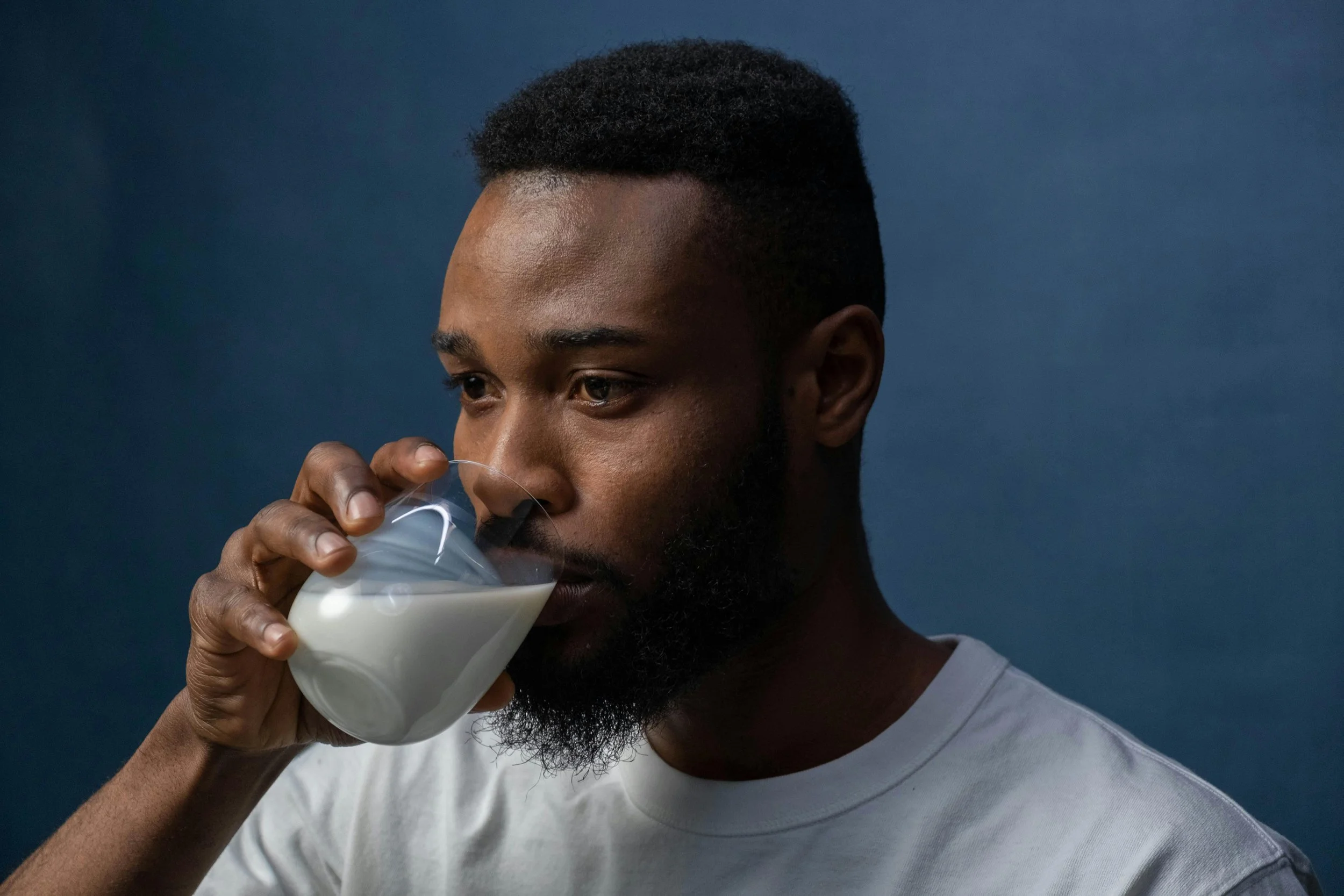
I grew up on peanuts, more specifically peanut butter and jelly - especially that soggy sandwich with a side of sand while at the beach. By the time I had my kids many daycares had banned peanut butter due to allergies. So, it was a surprise when I saw folks at the University of Georgia promoting the addition of peanut skins into our milk.
This research, led by experts from the University of Georgia, the University of New Mexico, and Chapman University, isn’t just about food chemistry—it is about understanding why we choose what we eat and how we can overcome our hesitation toward "new" foods to save the planet.
To understand why researchers are putting peanut skins in milk, we first have to look at the massive problem of food waste. Around the world, food waste is a triple threat: it hurts the environment, the economy, and society.
When food rots in landfills, it releases methane and other gases. Decomposing food waste contributes a staggering 8-10% of global greenhouse gas emissions. This is a major driver of climate change.
The global economic toll of food waste is estimated at roughly $1 trillion USD every single year.
A huge portion of this waste comes from the production process itself. Things like stems, peels, and husks are often thrown away. The Upcycled Food Association has a certification program for products that use upcycled ingredients. Keep an eye out for these labels to support sustainability.
“Our research shows that consumer acceptance is just as important as food innovation itself. Upcycled ingredients have great potential to reduce food waste and support more sustainable food systems, and clear communication about their nutritional benefits, safety, quality, and production process may help improve consumer acceptance.”
Benefits of Peanut Skins
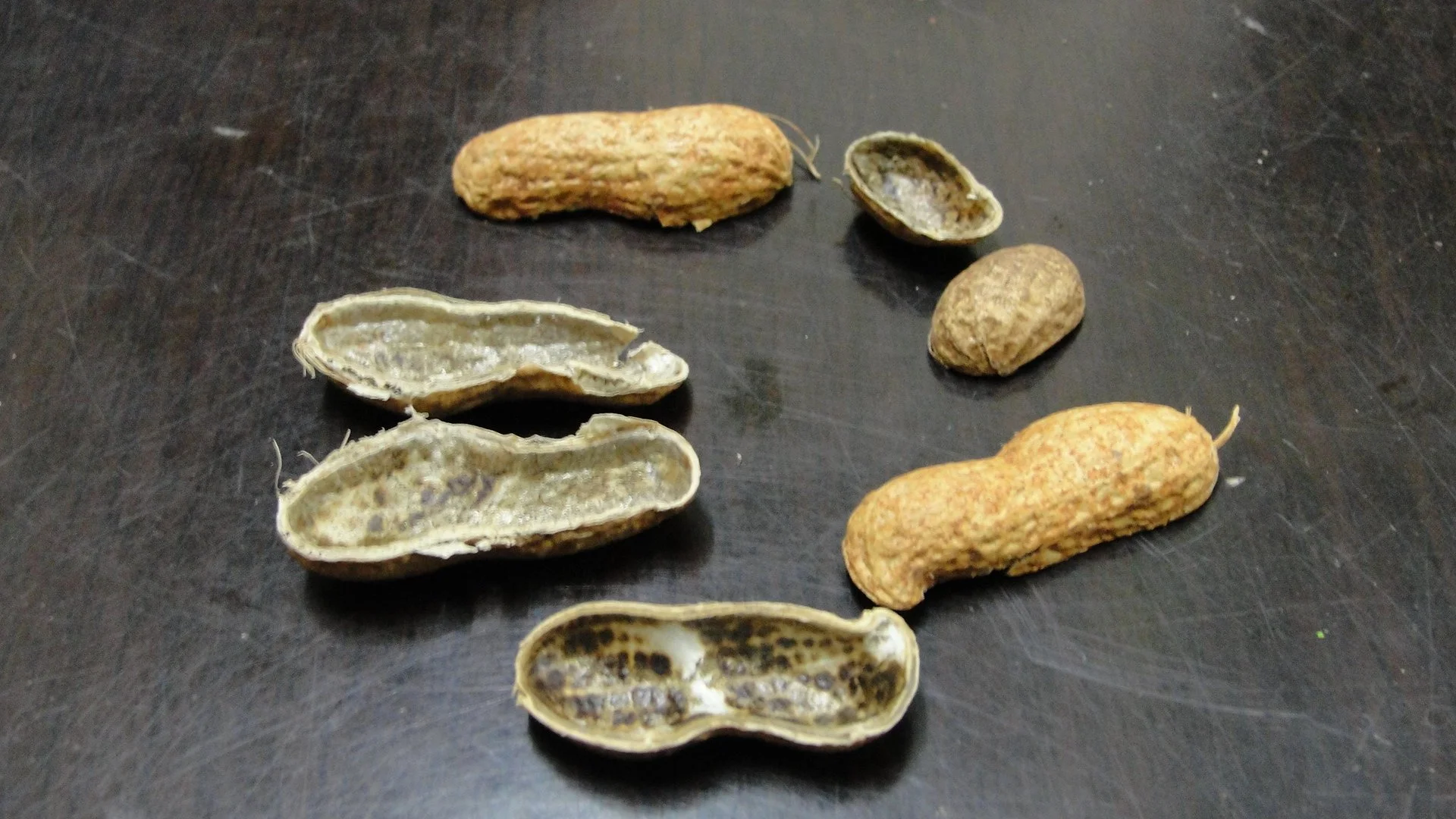
Peanuts are a global staple, with about 46 million tons produced every year. But there is a secret: about 3% of a peanut’s weight is its skin. While that sounds small, it adds up. In the United States alone, the peanut industry discards between 40 and 70 million pounds of peanut skins annually.
Usually, these skins are treated as trash. However, scientists have discovered that these papery skins are actually goldmines for nutrition. They are packed with polyphenols, which are powerful antioxidants. These compounds have:
Antioxidant effects: Helping to protect your cells from damage.
Anti-inflammatory properties: Reducing swelling and irritation in the body.
Potential health boosts: They may even help lower the risk of heart disease and certain types of cancer.
Why Mix Peanuts and Milk?
You might wonder why researchers chose milk as the vehicle for these peanut skin nutrients. The answer is simple: 949 million metric tons of milk were consumed globally in 2023. It is a "familiar" food that people already associate with health and nutrition.
By adding peanut skin extract to milk, researchers can deliver health-promoting compounds to millions of people through a drink they already enjoy.
The Big Question: Would You Actually Drink It?
The biggest hurdle for any new food isn’t the science—it’s the consumer. This study focused on understanding whether people would actually buy "upcycled" milk. To find out, researchers surveyed 1,488 people across the United States, making sure to include a diverse mix of ages, genders, and regions.
The study found several major factors that determine whether someone will put upcycled milk in their grocery cart.
The single strongest predictor of whether someone would buy the milk was their overall "attitude" toward it. If someone believed the product was "good," "right," and "wise," they were highly likely to buy it.
How you feel matters just as much as what you think. Positive emotions like curiosity and enjoyment significantly boosted people's perceptions of the benefits. On the flip side, negative feelings like disgust (the "yuck factor") or fear of the unknown can instantly shut down interest.
Many people still view upcycled food as being made from "trash" or "leftovers". This leads to concerns about safety and quality. The study showed that "perceived risks"—worries about unusual taste or safety—negatively impact how people feel about the product. If you see a product made with "upcycled peanut skins" or "broccoli stem powder," remember the science. These aren't "scraps"; they are concentrated sources of health benefits that are helping to fight climate change.
The study found that what our friends, family, and society think influences our choices. If upcycling becomes "trendy" or socially praised, more people will jump on board.
Some people are naturally afraid to try new things (this is called "food neophobia"). This fear creates a barrier to accepting upcycled foods, as these individuals often focus more on the risks than the benefits.
How the Science Works
The researchers didn't just toss peanut skins into a blender. They developed a high-tech pH-driven extraction method that is only one step, doesn’t use harsh chemicals and integrates with existing foods.
The researchers concluded that the model they built explains 72.1% of why people have a positive attitude toward this milk and 54.8% of their intention to actually buy it.
The findings suggest that clear communication about the product's nutritional benefits, sustainability, safety, and production process may help improve consumer acceptance.