Want Sustainable Seafood? Who Do We Trust To Save Our Oceans?
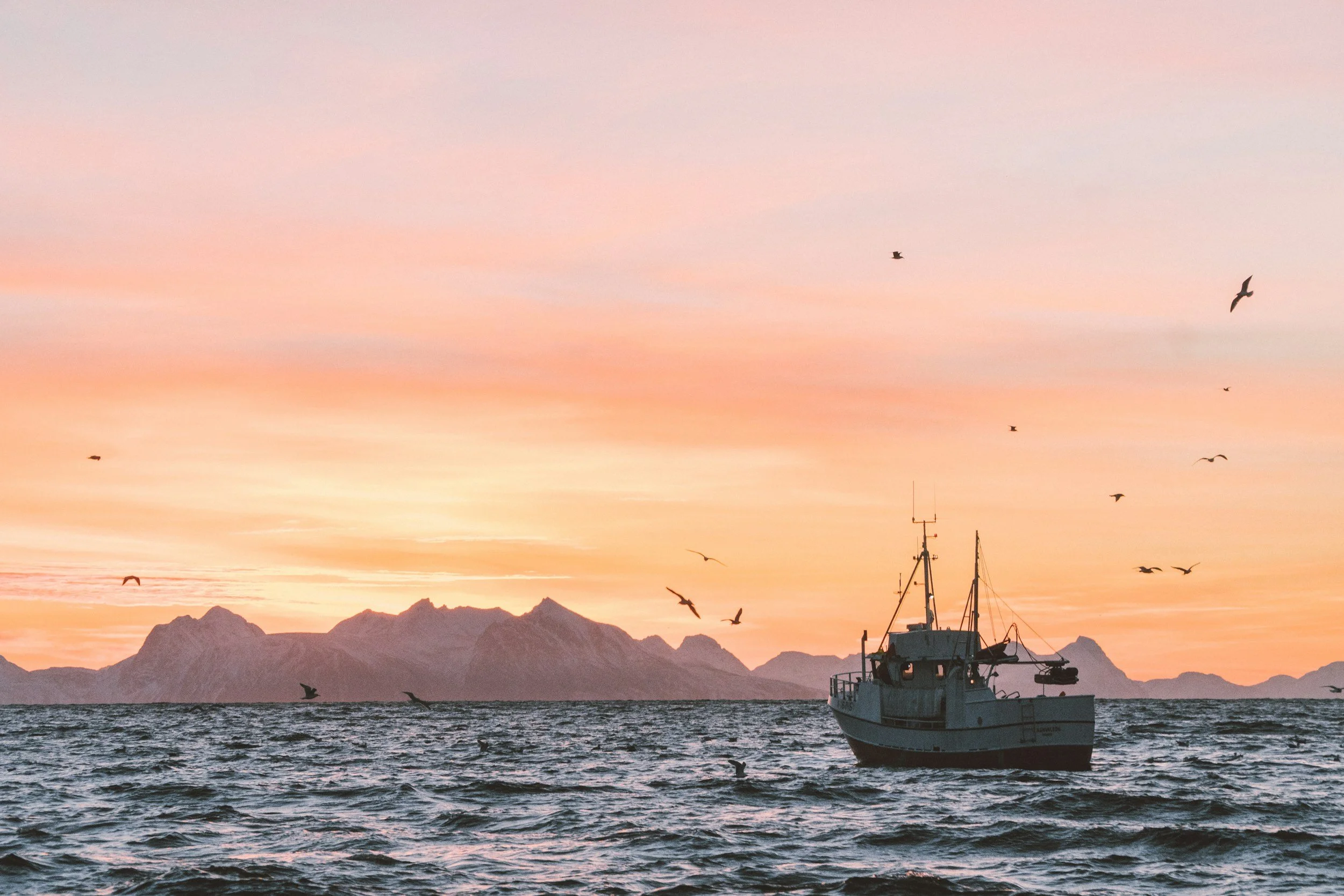
Seafood is a staple of the human diet, providing essential protein and nutrients to billions. It is currently the most traded animal protein on the planet, with a global trade value reaching approximately USD 164 billion in 2021.
However, this massive demand comes with a significant environmental price tag. As our appetite for fish and shellfish grows, so do the risks of overfishing, habitat destruction, and water pollution.
To solve this, "sustainable seafood" has become a buzzword in grocery aisles. But how do you know if that salmon fillet was actually raised responsibly? You can’t tell just by looking at it. Instead, we rely on little blue or green stickers—certifications.
A massive new study involving 12,222 people across 12 different global markets has just revealed that where you live completely changes who you trust to tell the truth about your dinner.
By 2050, the world will need 57% more seafood than we produced in 2018 just to keep up with population growth and rising incomes. If we don’t manage this growth sustainably, we risk losing entire marine ecosystems. Sustainable seafood is defined as coming from operations that minimize environmental harm, ensure fair working conditions, and support local economies.
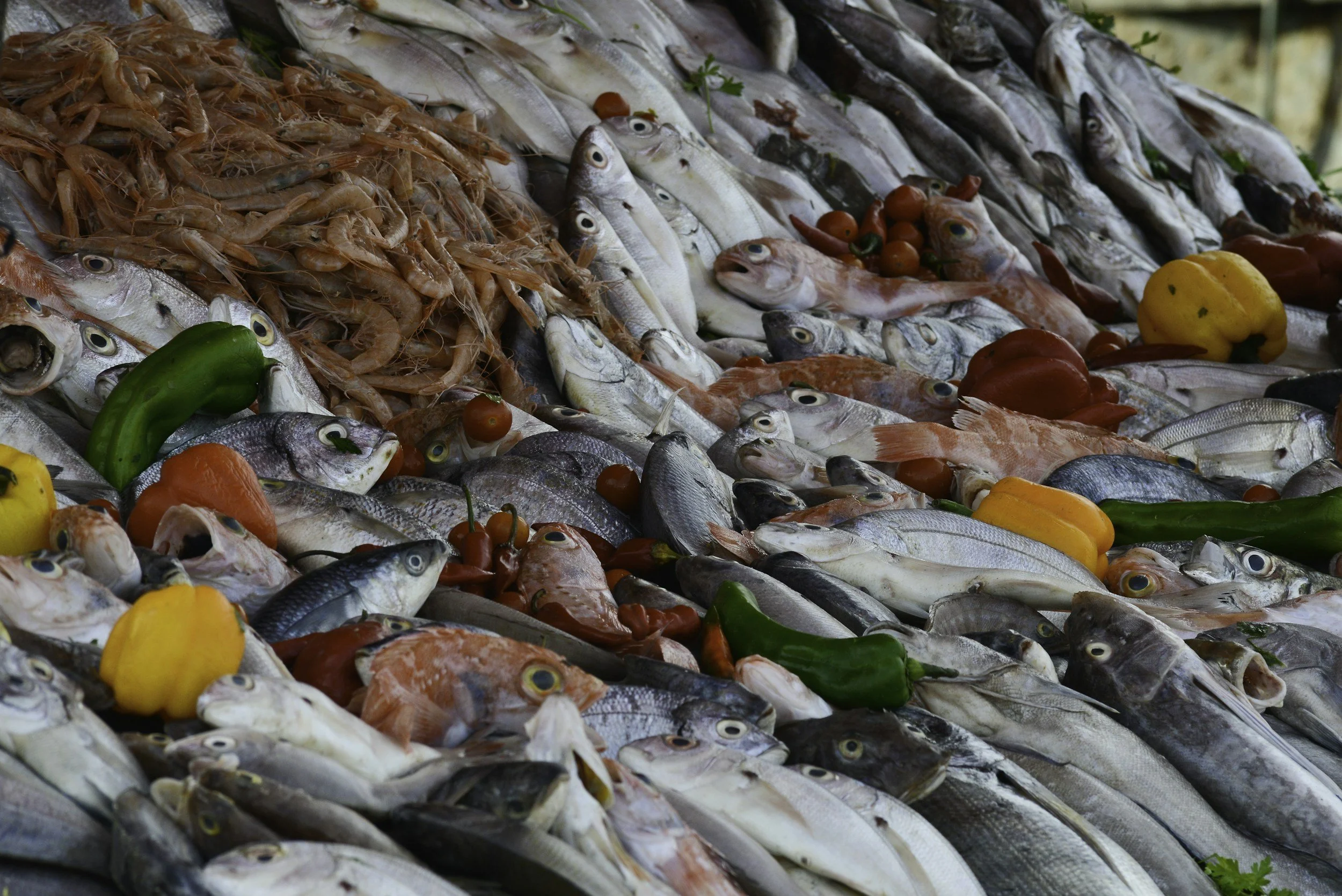
Because sustainability is an "invisible" quality, certification agencies act as the middleman between the fisherman and the consumer. They audit farms and fisheries to make sure they are following the rules. But not all agencies are seen as equal.
Researchers from institutions around the world, led by the CSIRO in Australia, surveyed consumers in 12 major seafood-trading regions:
High-Income Markets: Australia, USA, Singapore, Japan, South Korea, Taiwan, New Zealand, and Hong Kong.
Lower-Income Markets: Mainland China, India, Indonesia, and Vietnam.
These regions represent some of the biggest players in the industry. For example, the USA is the world’s top importer of seafood, while China is the top exporter.
The study looked at four specific types of agencies that certify imported seafood:
Exporting Country Government Agencies: The government of the country where the fish came from (e.g., the Norwegian government certifying salmon sent to Australia).
Exporting Country Certification Agencies: Private or non-profit groups located in the country of origin.
International Certification Agencies: Global organizations like the Marine Stewardship Council (MSC) or the Aquaculture Stewardship Council (ASC).
Local Certification Agencies: Agencies located in your own home country that check the imports.
Lower-Income Markets Value Sustainability More
One of the most surprising findings was that consumers in mainland China, India, Indonesia, and Vietnam actually place a higher importance on sustainability certifications than those in wealthier nations like Japan or New Zealand.
On a 5-point scale (where 5 is "Very Important"), India (4.25) and Indonesia (4.22) topped the list for how much they value these labels. At the bottom of the list were New Zealand (3.38) and Japan (3.14).
Why the gap? In many lower-income markets, sustainability labels are often linked to food safety. Consumers there may be more worried about food fraud or contamination and see a sustainability label as a sign of overall quality and safety.
The Three "Trust Groups"
The researchers found that the world is split into three distinct "Trust Groups" when it comes to who they believe:
The "Local Preference" Group
Australia, USA, Japan, New Zealand, Singapore. In these countries, people trust their own local agencies more than any others. If you live in the USA, you likely trust a US-based agency to check your imported fish more than you trust the government of the country that sent it. This is often due to "ethnocentrism"—a fancy word for preferring your own country’s standards and procedures over others.
The "International Preference" Group
Indonesia, Hong Kong, Taiwan, Vietnam. In these regions, consumers place the most faith in International Agencies like the MSC. They often view global organizations as more competent or rigorous than their own local or government systems.
The "Equal Preference" Group
Mainland China, India, South Korea. Consumers in these markets tend to trust all types of certifications—local, international, and government—at similarly high levels.
Education and Gender Matter

The study found several demographic patterns that influence how we shop:
Education: Across almost every market, people with higher levels of education were more likely to value sustainability certifications and trust the agencies that provide them.
Gender: In places like Hong Kong and Vietnam, women reported significantly higher trust in certifications than men. However, in Japan and the USA, men actually expressed more confidence in these agencies.
Age: The results were mixed. In the USA and Singapore, younger people were more likely to value certifications. But in India and Vietnam, it was the older generations who placed more importance on them.
Greenwashing and Fraud
Despite the growth in eco-labels, trust is fragile. Issues like counterfeit labels and corporate greenwashing (when a company claims to be eco-friendly but isn't) have made some consumers skeptical. For example, in the study, Japan and Taiwan exhibited the lowest overall trust levels across all types of certifications.
In Vietnam, shoppers were found to prefer local labels for shrimp but international labels for vegetables because they were worried about local counterfeiting. This shows that trust isn't just about the label—it’s about the reputation of the specific industry and country.
What To Look For As A Consumer?
When you’re at the store, the label you see isn't just a marketing gimmick. It's the result of a complex global system of audits and standards. If you live in a "Local Preference" market like the USA or Australia, you might find yourself looking for a local seal of approval. But the data suggests that international labels like the MSC (for wild-caught fish) and ASC (for farmed fish) are the most consistently trusted voices globally.
Look for the Big Two: The MSC (Marine Stewardship Council) for wild fish and ASC (Aquaculture Stewardship Council) for farmed fish are the global gold standards.
Understand Your Bias: If you're in the US or Australia, you might naturally trust a local label more, but international labels often have even stricter global standards.
Sustainability = Safety: In many parts of the world, buying sustainable seafood is the best way to ensure the fish is high-quality and safe to eat.
Stay Educated: Trust is built on knowledge. The more we understand how these agencies work, the better we can support fisheries that are actually doing the right thing.