This South African Plant Could Save You A Trip To The Dentist
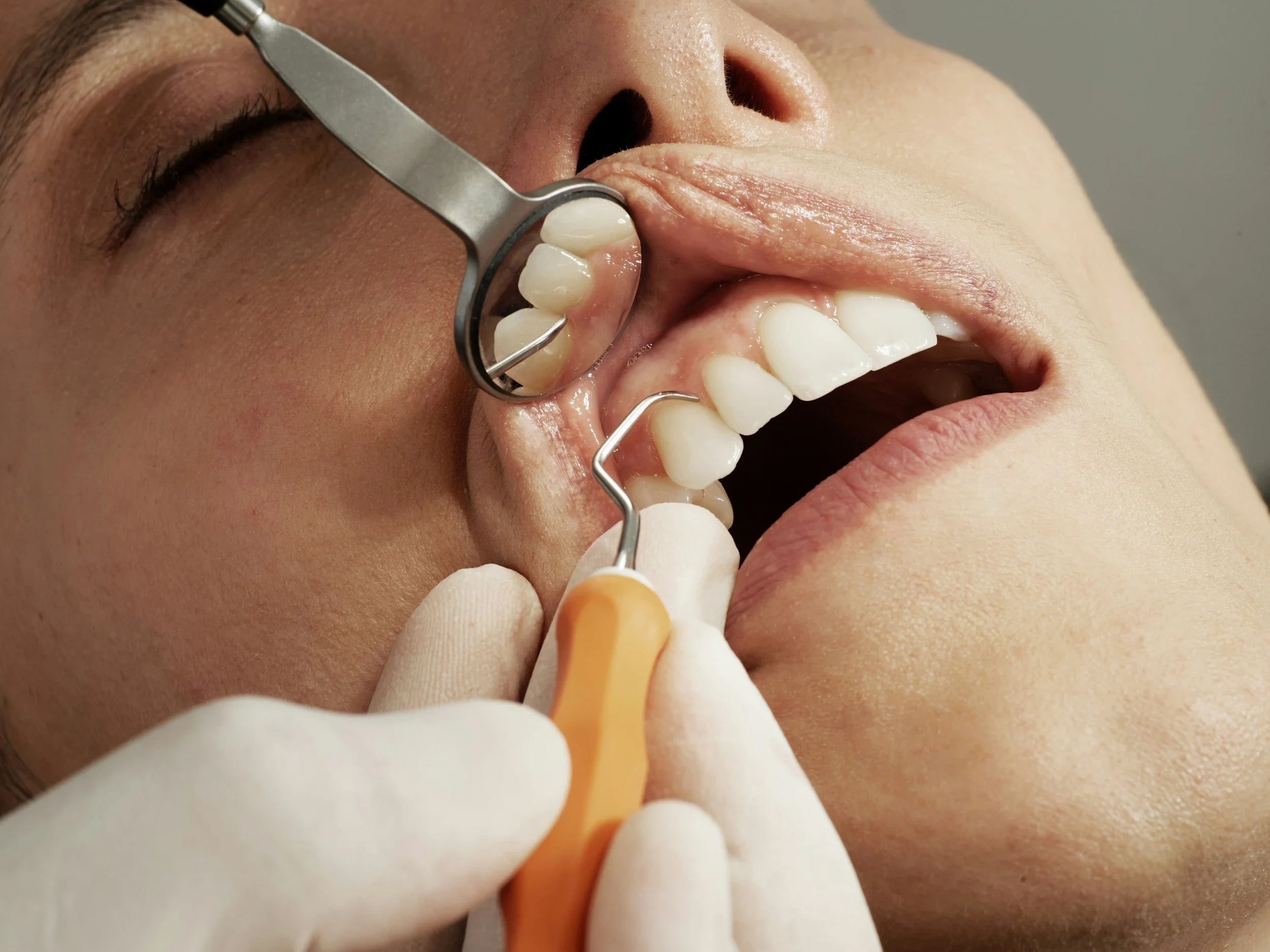
Every time you brush your teeth, you are participating in a microscopic battle. On one side is your toothbrush, armed with toothpaste and mouthwash. On the other side is a stubborn, microscopic fortress known as a dental biofilm.
For decades, modern dentistry has relied on standard chemicals and antibiotics to fight this battle. But the bacteria are getting smarter, building stronger shields, and resisting our best medicines.
To find a new solution, scientists are looking to the past—specifically, to the rich botanical heritage of South Africa. Indigenous medicinal plants, used for centuries by local tribes, possess powerful natural chemicals that can dismantle these bacterial fortresses.
When we think of bacteria, we usually picture free-floating, solitary cells. But in the human mouth, bacteria are highly social. When they land on a surface—like your teeth, gums, or even a dental implant—they anchor themselves and begin to build a community known as a biofilm.
What Is A Biofilm?
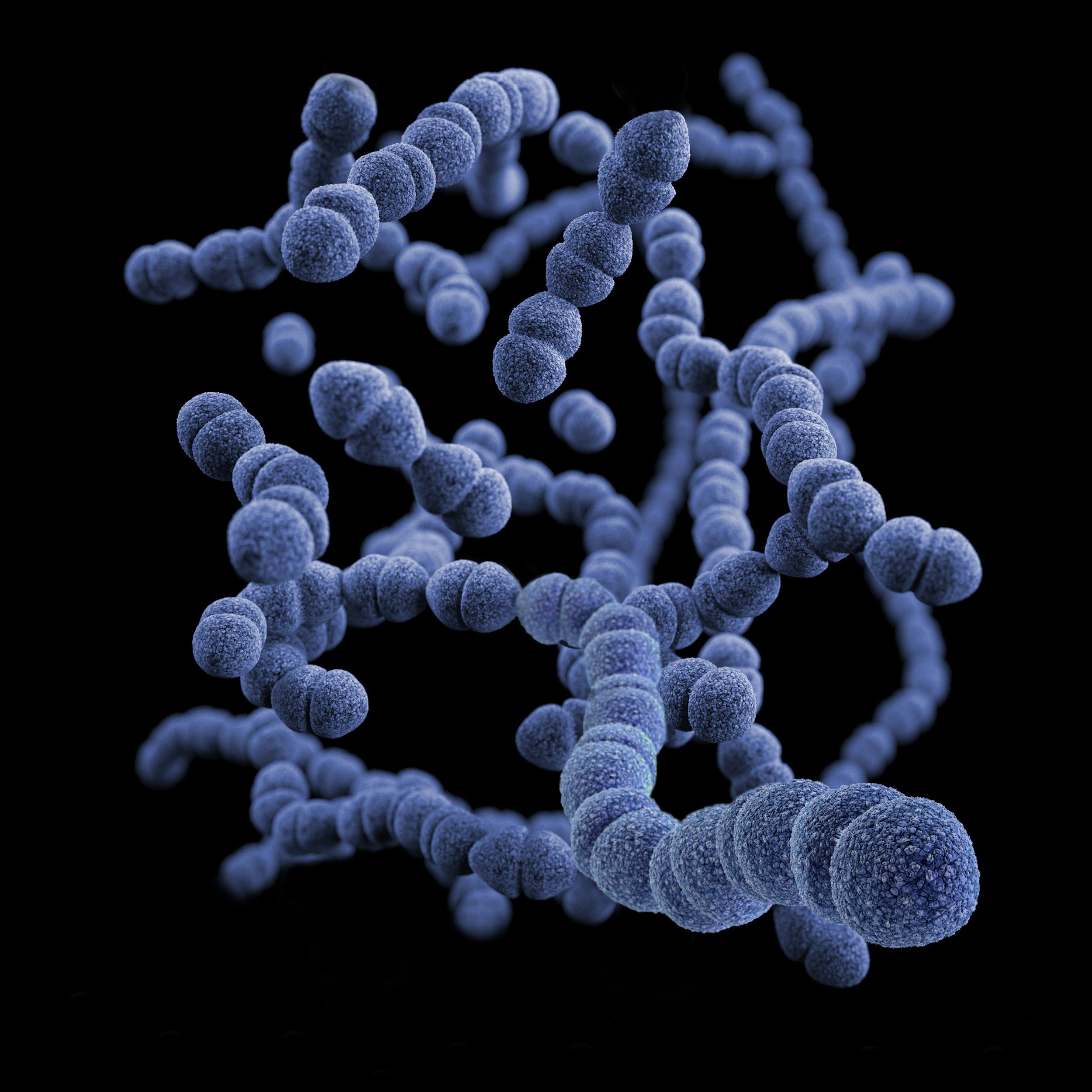
This community is called a biofilm. To protect themselves, the bacteria secrete a slimy, glue-like shield called an Extracellular Polymeric Substance (EPS) matrix.
You can think of a biofilm as a bustling microscopic city. The EPS matrix acts as the city walls, providing structural support and acting as a shield against invaders. Inside the walls, the bacteria are not just sitting randomly; they organize themselves. They share nutrients, cooperate to survive, and even communicate with one another.
These biofilms are the root cause of the most common oral diseases.
Bacteria like Streptococcus mutans feast on the sugars we eat, producing harsh acids. Because the biofilm holds these bacteria directly against the tooth, the acid eats away at the enamel, causing decay.
Over time, biofilms can shift to contain more aggressive, anaerobic bacteria that trigger intense inflammation in the gums, eventually destroying the tissues that hold our teeth in place.
Furthermore, bacteria do not act alone. They often form a sinister alliance with fungi, such as Candida albicans. When these fungi and bacteria team up, they produce even more EPS slime, making the biofilm incredibly acidic and highly resilient.
We have a massive problem on our hands: Antimicrobial Resistance (AMR). Because we have overused antibiotics globally, bacteria have evolved to survive them.
When bacteria live inside a biofilm, their resistance superpowers multiply. In fact, bacteria inside a biofilm can be anywhere from 10 to 1,000 times more resistant to antibiotics than free-floating bacteria.
How Biofilms Defeat Our Medicines
The EPS matrix acts like a physical sponge, soaking up or blocking antibiotics before they can reach the bacteria deep inside.
Some bacteria deep in the biofilm go to sleep. Because many antibiotics only kill active, growing bacteria, these "persister" cells survive the treatment. Once the medicine is gone, they wake up and rebuild the biofilm.
The bacteria can create specialized "efflux pumps" on their surface, which act like tiny vacuums that actively suck the antibiotic back out of the cell before it can do any harm.
Every year, approximately 1.2 million deaths globally are linked to infections caused by antimicrobial resistance. The human mouth is a major reservoir for these resistant genes, meaning poor oral health can contribute to this massive global crisis.
South African Medicinal Plants
To fight these resilient superbugs, scientists are turning to plants. South Africa is a global biodiversity hotspot, home to roughly 10% of the world's plant species. For generations, an estimated 80% of the South African population has relied on traditional plant remedies for their primary healthcare, including dental care.
Historically, indigenous communities like the Zulu, Xhosa, Pedi, and Venda have used plant-based rinses, pastes, and "chewing sticks" to maintain oral hygiene, soothe toothaches, and treat inflamed gums.
Modern science is now proving that these ancient remedies work on a molecular level. Here are some of the powerhouse plants leading the charge:
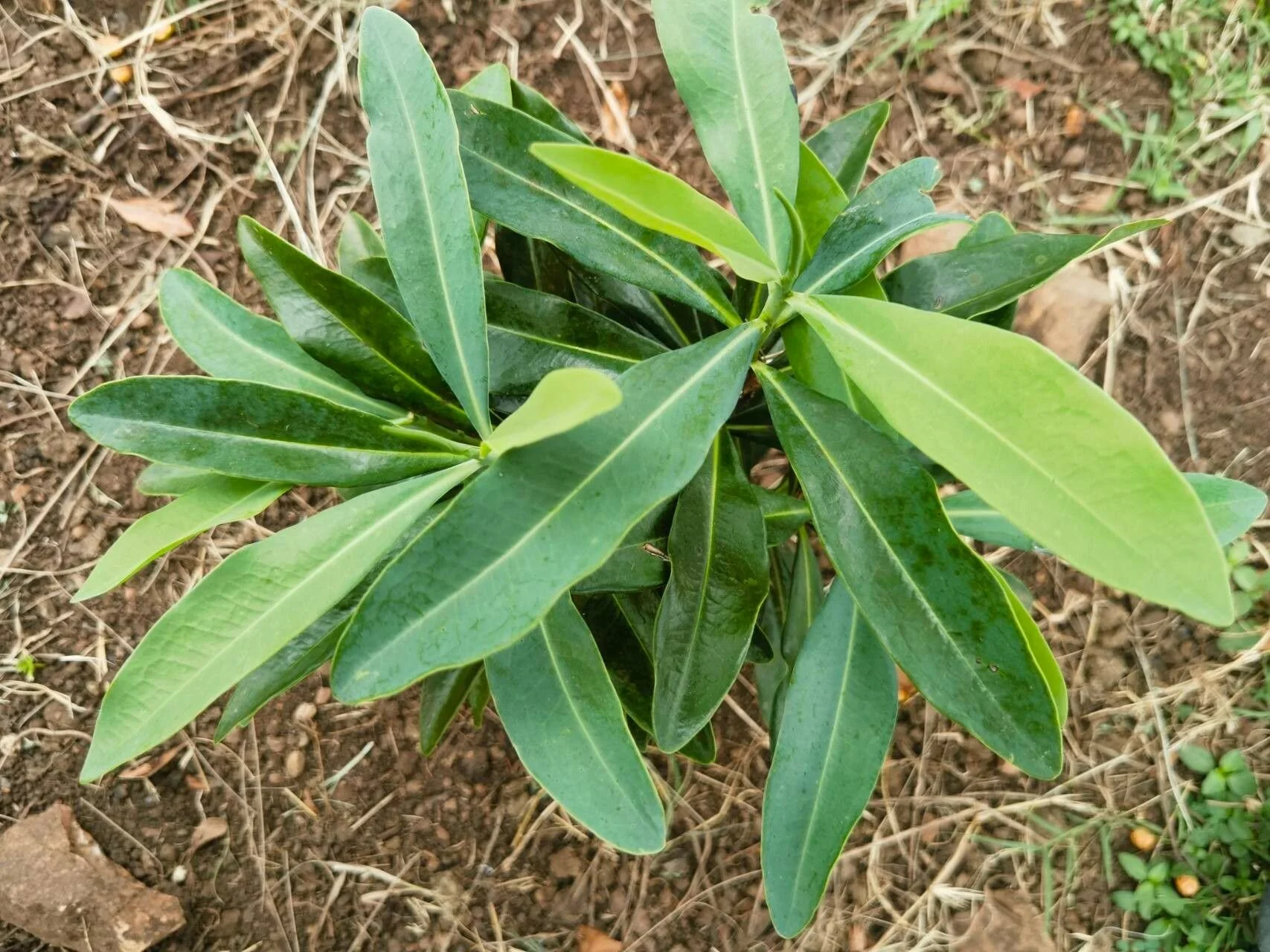
Warburgia salutaris (Pepper-bark tree): Traditionally, the bark of this tree is chewed to relieve toothaches and mouth infections. Scientists have discovered it contains strong antibacterial compounds called sesquiterpenes that actively reduce biofilm formation and calm inflammation.
Combretum molle (Velvet bushwillow): Often used as a natural chewing stick, this plant acts as both a physical toothbrush and a chemical mouthwash. Its extracts are packed with flavonoids and tannins that show strong antibacterial effects and actually help heal oral ulcers.
Aloe ferox (Bitter aloe): Known for its intense healing properties, the gel from this plant is applied directly to inflamed gums. It has been shown to effectively neutralize Porphyromonas gingivalis, one of the main bacteria responsible for severe gum disease.
How the Plants Break the Fortress
If traditional antibiotics are a blunt hammer trying to smash the biofilm, medicinal plant compounds are like elite hackers disabling the city's defenses from the inside. They rely on "phytochemicals"—biologically active compounds found in plants—to attack biofilms in several ingenious ways.
Before a biofilm can form, a single bacterium has to stick to your tooth. Plants like Helichrysum and Combretum molle contain compounds (like flavonoids and tannins) that make the tooth surface slippery and uninviting, preventing the microbes from anchoring in the first place.
Bacteria talk to each other using chemical signals—a process called "quorum sensing". When enough bacteria gather and chat, they coordinate their attack and start building their slime shield. Phytochemicals from plants like Zanthoxylum capense act like radio jammers, blocking these chemical signals. Blind and deaf to one another, the bacteria remain isolated and vulnerable.
If a biofilm has already formed, plants like Acacia karroo can deploy specific enzymes and polyphenols that chemically dissolve the EPS slime matrix. Once the protective walls are degraded, the bacteria inside are easily washed away by saliva or destroyed by the body's immune system.
Many of these plants feature essential oils and alkaloids that physically tear open the outer membranes of the bacteria, causing them to leak vital nutrients and perish. Some compounds, like gallic acid, even trigger the bacteria to produce toxic oxygen molecules that destroy them from the inside out.
Protecting the Source
While the medicinal potential of these plants is incredibly exciting, we are currently facing a critical environmental threat. The very resources that could solve our global superbug crisis are being pushed to the brink of extinction.
It is a grim paradox: as human interest in natural, sustainable remedies grows, our obsession often contributes to the destruction of these delicate habitats. We are running the risk of loving these plants to death.
Currently, about 19,500 tons of medicinal plants are harvested every single year in South Africa to meet the demands of both local traditional practitioners and international commercial markets. Unfortunately, much of this harvesting is entirely unsustainable. The intense demand has led to overexploitation, resulting in the rapid decline of critical species like the Pepper-bark tree (Warburgia salutaris).
If we simply strip the forests and wetlands of these resources without careful management, we will permanently lose this biological treasure trove before we fully understand it.