More Bears Are "Swiping Right" In The Wild Because Of This
When we think of brown bears, we usually picture solitary wanderers roaming vast, untouched wildernesses. For most of the year, this image is remarkably accurate. Adult brown bears are famously independent, prioritizing their own survival and avoiding each other whenever possible. However, between mid-May and mid-July, the biological clock strikes, and these isolated giants must navigate the complex, high-stakes game of finding a mate.
But in today’s world, the "wild" is rarely untouched. Human activity has fundamentally reshaped ecosystems, leaving a footprint of roads, clearcuts, and settlements across the natural world. This raises a fascinating question about how human impact influences the most primal of animal behaviors: How do our landscape modifications alter the way brown bears find each other and fall in love?
A recent comprehensive study conducted in south-central Sweden set out to answer exactly that. By tracking the intimate movements of these large carnivores, researchers have uncovered surprising insights into bear matchmaking, proving that both male and female bears alter their habits for romance—and that human-altered landscapes play a shocking role as their unintended meeting grounds.
What Defines a Bear “Date”?
To understand how bears meet, a team of researchers analyzed data from a massive tracking project. Between 2006 and 2016, they monitored 70 unique adult brown bears—44 females and 26 males—using specialized GPS collars programmed to record their locations every single hour.
The researchers had to establish a strict definition for a social encounter to ensure they weren't just recording two bears coincidentally passing each other in the woods. By crunching the GPS data, they determined that an official "encounter" occurred when a male and female were within 67 meters of each other for at least three consecutive hours.
Over the course of the study, the researchers recorded 427 of these romantic encounters. Some were fleeting, lasting less than an hour, while the longest recorded "date" was an astonishing 340-hour marathon—that's 14 straight days together. On average, however, these encounters lasted about 20 hours.
The First Date
If you were a bear looking for love, where would you go? You might assume they seek out the deepest, oldest, and most secluded parts of the forest. The data, however, tells a different story.
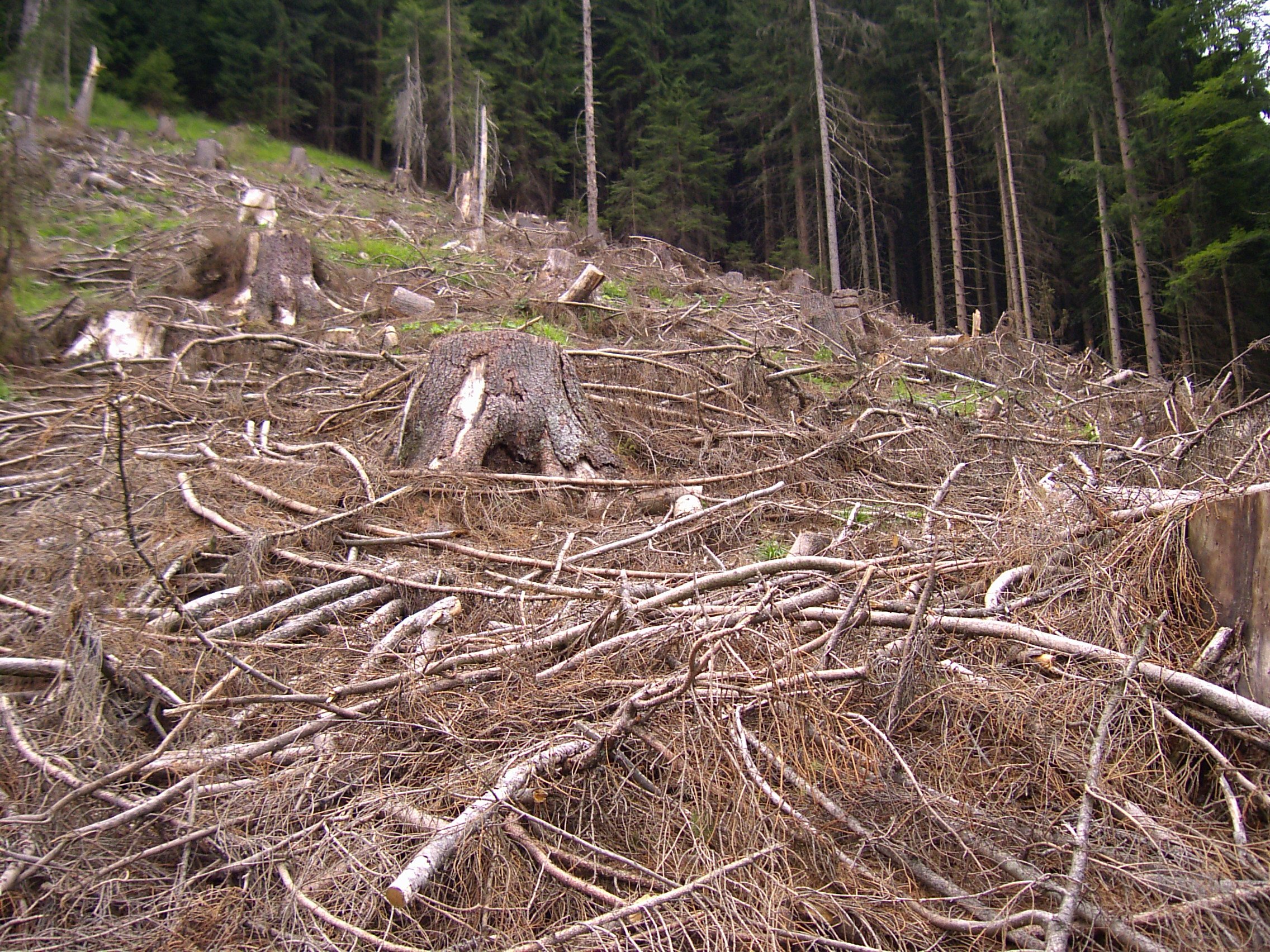
When researchers looked at the exact locations where a male and female bear first crossed paths, they discovered a strong preference for clearcuts and young forests. Conversely, the bears actively avoided bogs and old-growth forests for their initial meetings. They also kept their distance from human settlements and buildings.
Why are bears choosing these relatively open, heavily managed areas for their rendezvous? It comes down to a mix of biology and environmental reality:
Open spaces like clearcuts may provide a safer environment. In these areas, bears have better visibility and can utilize the wind to smell both potential partners and potential threats, allowing them to focus entirely on mating.
Even when looking for love, a bear has to eat. In the springtime mating season, berries aren't ripe yet. Instead, bears hunt for ants, which are highly abundant in clearcuts. They also prey on newborn moose calves, which mother moose often hide in the dense cover of young forests. Females naturally gravitate to these areas for food, and the males simply follow the females.
In a modern boreal forest where logging is prevalent, these young and clearcut habitats are abundant. In a strange twist of fate, human forest management practices have inadvertently created prime singles bars for the local bear population.
How Do Males and Females Differ?
In the animal kingdom, there is a traditional assumption about how mating works in polygamous species: the females stay put in their established territories, and the males roam far and wide to find them. This is known as the "roam-to-mate" strategy, and it makes sense when males are competing to maximize their reproductive success with multiple partners.
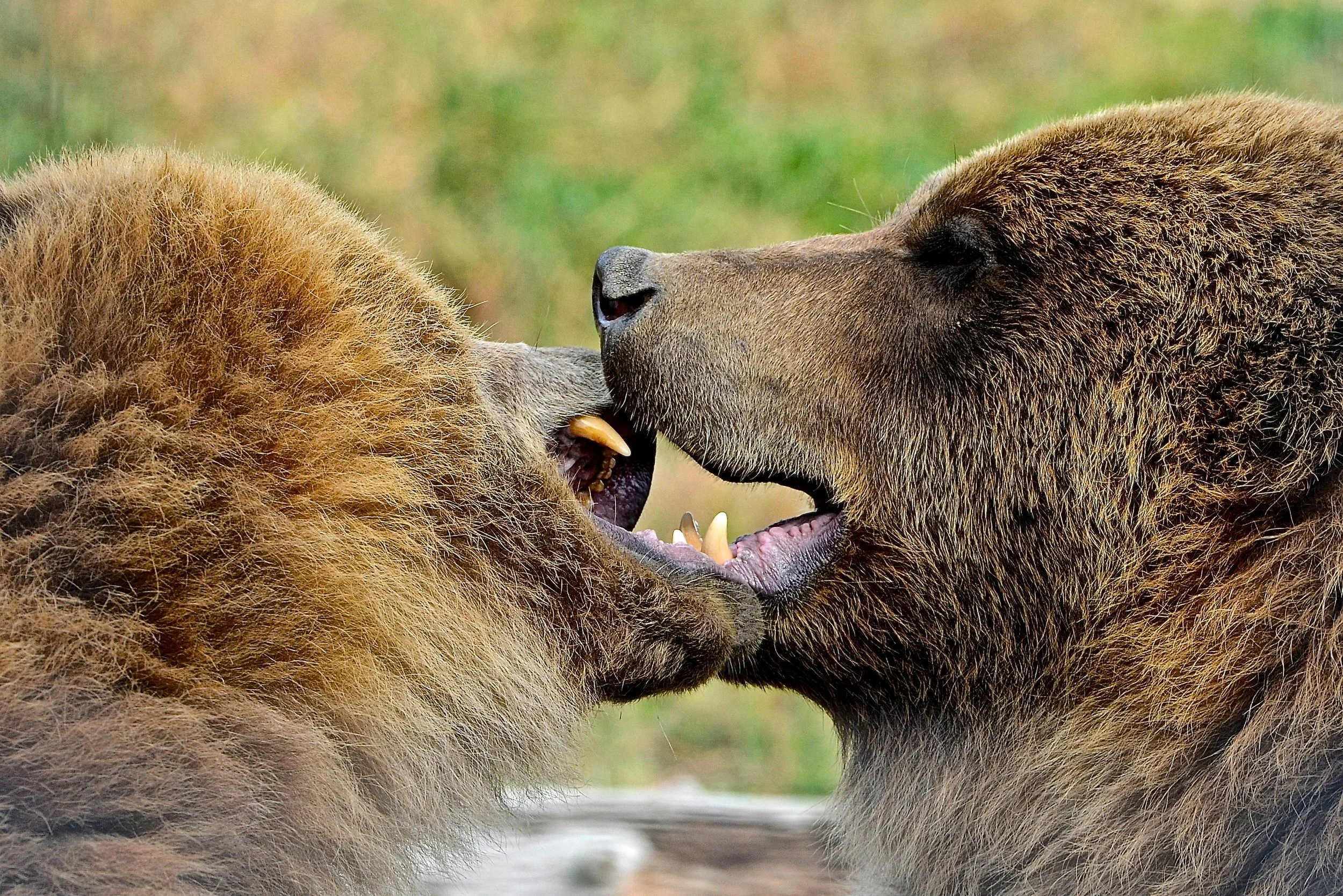
The researchers wanted to know if this held true for brown bears. They compared the GPS paths of solitary bears to the paths they took while actively "consorting" (traveling together). The findings shattered the traditional assumption, proving that romance requires compromise from both sides.
Both male and female bears completely altered their normal habitat preferences when they were together.
The Male Shift: When consorting, males increased their use of clearcuts compared to when they were solitary. They also made a point to move further away from human settlements and buildings, prioritizing safety while distracted by their partner.
The Female Shift: Females showed an entirely different shift. While traveling with a mate, they actually reduced their use of clearcuts, young forests, and old forests.
This data is incredibly revealing. It shows that females don't just sit and wait; they actively adjust their movements to match the habitat preferences of the males they are courting. This suggests that female brown bears also utilize a form of the "roam-to-mate" strategy, proving that mating behaviors are a mutual adaptation rather than a one-sided pursuit.
The Pitfalls Of Dating Near Roads
Perhaps the most surprising finding from the study is how bear couples interact with human infrastructure. We generally assume that wild animals, especially large carnivores, flee from human development at all costs.
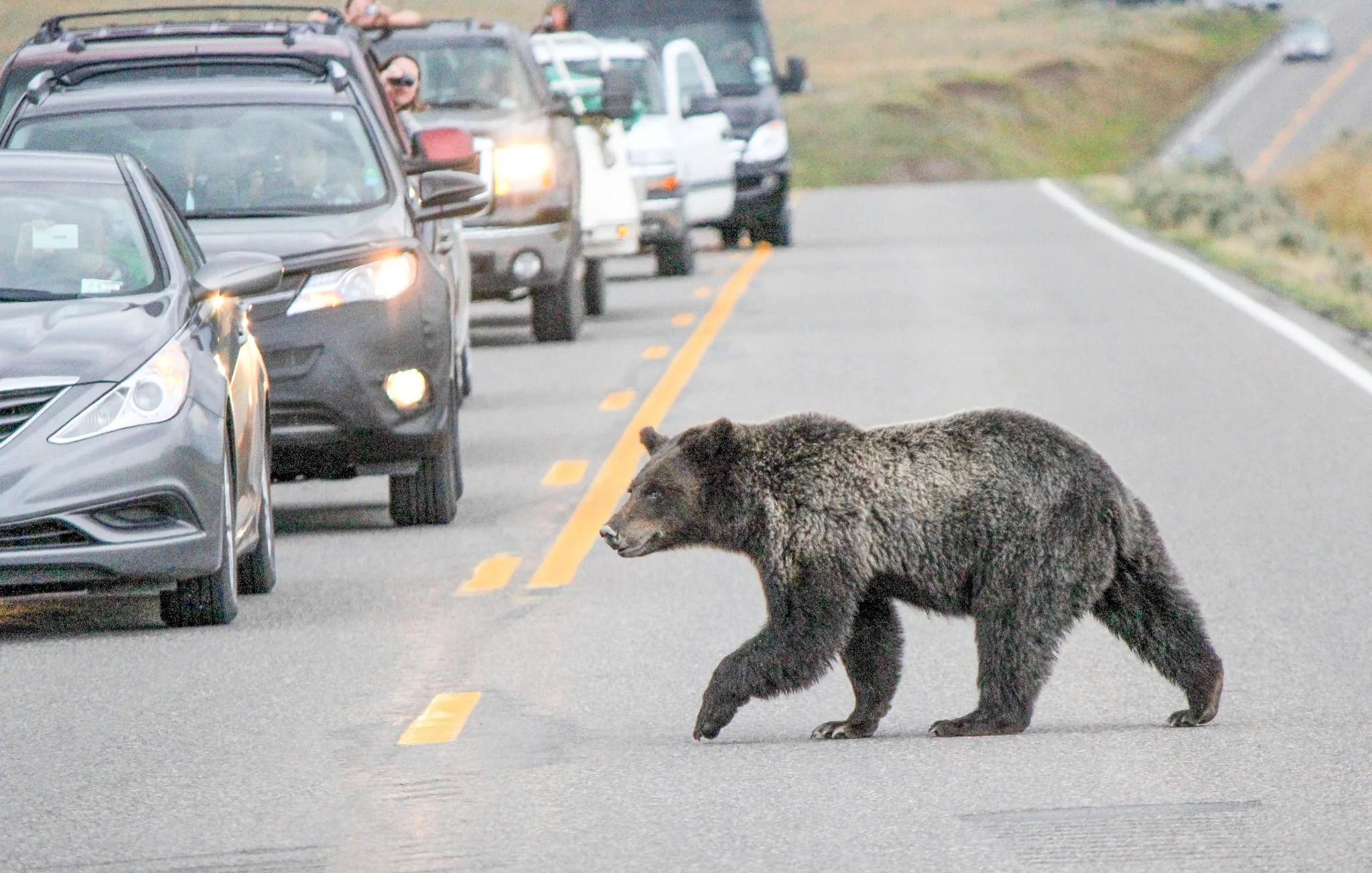
However, the tracking data showed that when a male and female bear are consorting, both sexes actually move closer to roads—particularly major roads—than they do when they are alone.
It’s highly likely that roads serve as highly efficient travel corridors. Navigating rugged, unbroken wilderness takes a lot of energy. When a male is trying to efficiently roam the landscape to locate females, or when a newly formed couple is traveling together to find a secluded spot, an open road provides an easy path of least resistance.
While it might seem convenient for the bears, this behavior highlights a deep conflict between wildlife ecology and human expansion. Roads might facilitate movement in the short term, but they also bring bears closer to human dangers, such as traffic collisions or increased encounters with hunters. This highlights a fascinating and complex dynamic where animals exploit human-made structures to achieve their biological imperatives, even if those structures carry inherent risks.
Managing the Forest for Love
The way we manage our landscapes goes far beyond extracting resources; we are actively shaping the living rooms, dining rooms, and, yes, the dating pools of the wildlife that shares our world.
This research reveals that human-impacted habitats, like clearcuts and areas adjacent to roads, are surprisingly vital for the reproductive success of brown bears. As human land use continues to expand and overlap with bear territories, we can no longer view conservation solely as drawing borders around untouched wilderness.
Instead, true conservation must be dynamic. If we know that bears rely on young forests and specific open areas to facilitate mating during the early summer, forest managers can strategically plan their activities to leave these crucial "dating spots" accessible and undisturbed during those critical months. By recognizing that animals adapt their spatial needs for reproduction, we can ensure that even in a heavily managed, human-dominated environment, there is always a landscape left for love.