Think The Oil Price Shock Is Bad? Wait For The Critical Minerals Shock
As I sit typing this, the price of oil has risen exponentially and sits over $100 a barrel due to the 2026 Iran war. At the same time, the world is currently undergoing a massive transformation. As global economies pivot away from fossil fuels and move toward renewable energy and electrification, the materials we rely on to power our lives are changing.
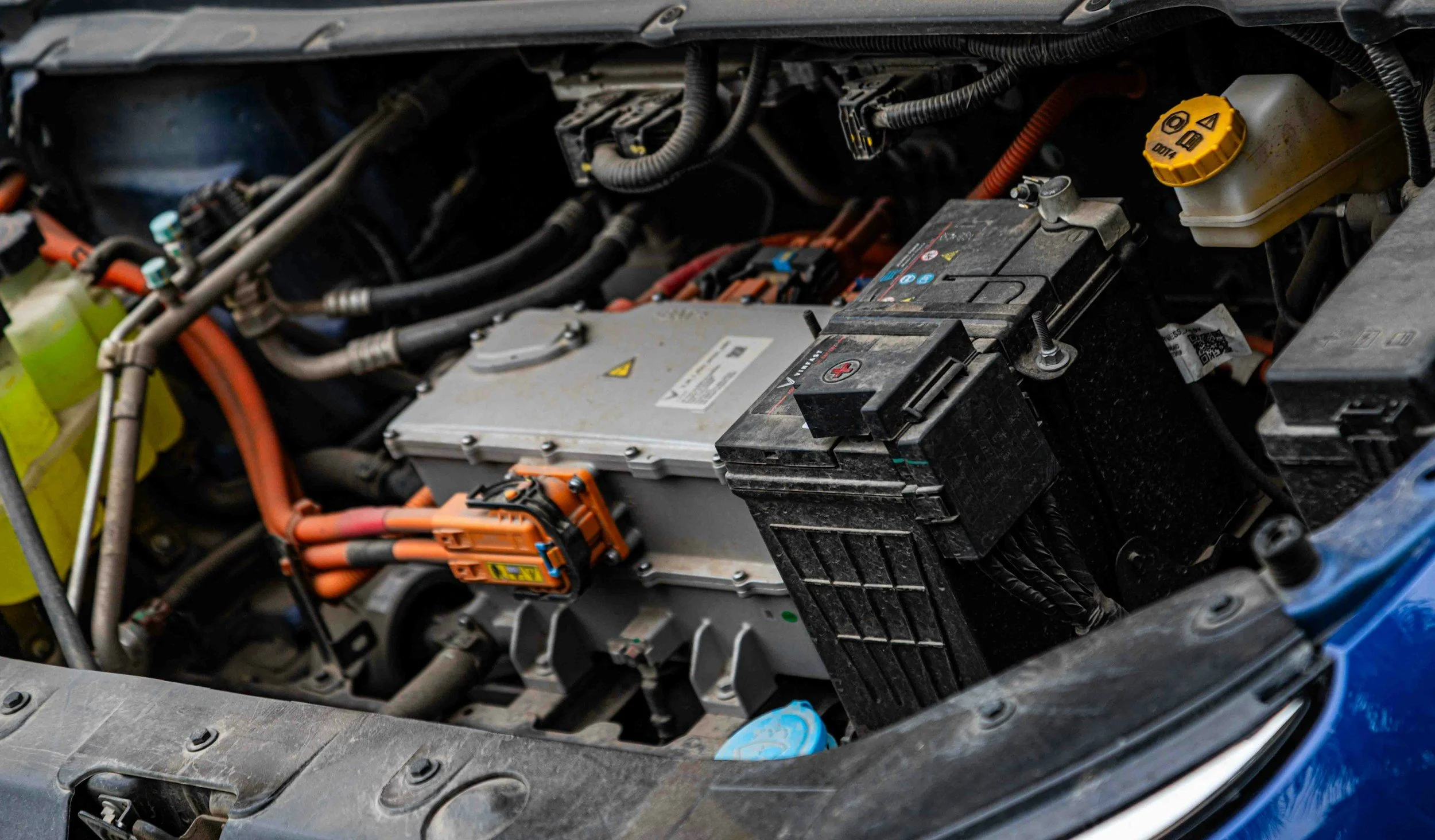
We are transitioning from an economy heavily dependent on oil to one that relies on "critical minerals" like lithium, cobalt, copper, and rare earth elements. But we have not done this fast enough to fill the energy gap and need for oil that global economies have. The problem is that electric vehicles require critical minerals. Extraction of these minerals such as lithium and copper are creating a range of issues such as increases in organized crime, pollution, and financing of unethical worker practices. Surprisingly electric vehicles are making us more wasteful.
The International Energy Agency (IEA) predicts that by the year 2040, under a net-zero emissions scenario, global demand for copper will rise by 50%, while the consumption of oil could drop by 25%. This massive change raises a crucial question for our financial stability and economic future.
If the prices of these critical minerals suddenly skyrocket—due to supply chain issues or geopolitical conflicts—will it trigger the same kind of devastating economic recessions that oil price shocks have caused in the past? I sit this as we face record high oil prices driven by the 2026 Iran war.
A 2026 working paper from the National Bureau of Economic Research (NBER), authored by Adrien Concordel, Phuong Ho, and Christopher R. Knittel, tackles this exact question. They used complex economic models to compare how a sudden jump in oil prices hurts the economy versus a sudden jump in critical mineral prices.
“Doubling the price of oil reduces an advanced economy’s long-term output by roughly 2.4%. Doubling the price of critical minerals only reduces long-term output by about 1%. But because minerals are used for building, a doubling of mineral prices causes the economy’s capital stock to eventually contract by a massive 5%. ”
The Core Difference: Operating vs. Building
To understand why oil and minerals affect the economy differently, we have to look at how we use them. The researchers highlight a fundamental distinction between the two commodities.
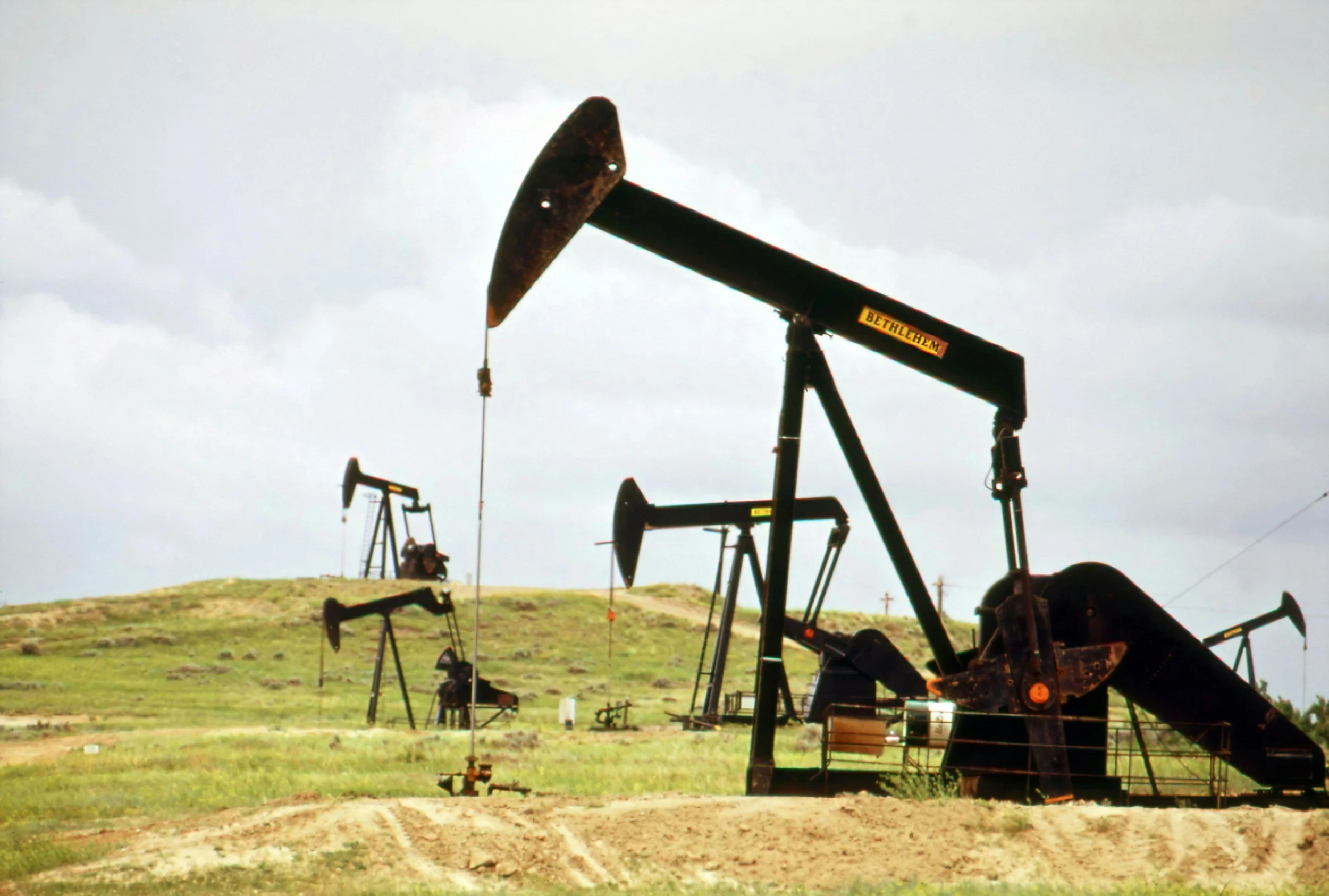
Oil is a Variable Input. Oil and gas are primarily used as fuels for transportation, machinery, and utilities. The paper describes oil as a flexible, variable input that directly affects the cost of utilizing the capital we already own. Think of oil like the gasoline you put in your car. If the price of gas doubles overnight, you feel the pain the very next morning on your commute. It immediately makes operating your existing vehicle much more expensive.
Critical Minerals are Investment Inputs. Critical minerals, on the other hand, are rarely consumed directly by the average person. Instead, they are deeply integrated into the production of brand-new investment goods. They are the essential building blocks for things like electric vehicle (EV) batteries, renewable energy infrastructure, electrical equipment, and heavy machinery. Think of critical minerals as the steel and lithium used to build a brand-new electric car. If the price of lithium doubles, it doesn't change the cost of driving the EV you already have in your driveway. Instead, it makes building the next generation of cars much more expensive, which delays future capital formation.
How an Oil Price Shock Damages the Economy
Economists have spent decades studying the profound economic disruptions caused by oil price volatility. Ever since the post-war recessions in the United States, we have known that oil shocks have an immediate, broad, and deeply recessionary effect on global economies.
When the researchers ran their economic simulation, they tested what would happen to an advanced economy if the price of oil permanently doubled. The results were exactly as painful as history suggests:
Because oil acts as a variable input, a price increase acts like an adverse "technology shock" that instantly raises operating costs across the board.
In their benchmark simulation, doubling the oil price causes the economy's output to drop by nearly 2% almost immediately. Over time, this decline continues until the economy stabilizes at a new normal that is roughly 2.4% poorer in total output than before the shock.
“doubling the oil price causes the economy's output to drop by nearly 2% almost immediately.”
Because things cost more to run and businesses are producing less, everyday consumption closely tracks output, meaning people buy and consume significantly less. The higher operating costs depress the marginal productivity of other factors, which leads to a direct reduction in the demand for labor. Simply put, businesses scale back, and jobs take a hit.
How a Critical Mineral Price Shock Damages the Economy

Because critical minerals are highly concentrated in specific regions—for example, China controls up to 80% of the supply chain for certain rare earth elements—the market is highly exposed to geopolitical risks and trade disruptions. The IEA has already noted broad-based price increases and strong volatility for minerals like nickel and lithium in recent years.
So, what happens to the economy when the price of these minerals permanently doubles?
Because minerals are used to build new things rather than operate old things, the shock propagates much more slowly. When mineral prices doubled in the simulation, output remained virtually unchanged on day one.
Over time, the economy's output does gradually drift downward, but the long-run loss is only about 1%. This is less than half the long-term damage caused by an oil shock.
The milder hit to daily consumption comes at a heavy cost to our future infrastructure. Because minerals make up the cost of new capital, a price spike erodes a country's net foreign wealth and dramatically raises the cost of investment. In the simulation, the total "capital stock" (the amount of machinery, infrastructure, and equipment) eventually plummets by about 5%. Businesses simply stop building and investing as much.
In a fascinating twist, the researchers found that in capital-rich advanced economies, a mineral price spike might actually cause a slight increase in long-run employment. Because building new machines becomes so incredibly expensive, firms try to substitute that expensive capital by relying slightly more on human labor. Meanwhile, households see their wealth shrinking, prompting them to supply a bit more labor to make up the difference.
Which Impact is Worse?
If you are looking at the overall health, happiness, and immediate stability of an economy, the NBER paper is definitive: Oil price shocks remain the more serious threat to aggregate activity and welfare.
Across every single simulation run by the economists, a permanent increase in the price of oil was systematically more contractionary for overall output, consumption, and human welfare than a mineral-price increase of the exact same size.
However, critical mineral shocks are not harmless; they just attack a different part of the economy. While oil burns a hole in our daily wallets, expensive minerals act like a slow-moving freeze on our future development, causing sharper contractions in capital investment and forcing countries into stricter debt adjustments to fix their balance sheets.
One of the most important takeaways from the paper is the concept of the "elasticity of substitution". This economic term simply means: How easy is it for a business to swap out an expensive material for a cheaper alternative?
The researchers found that an economy's ability to survive these shocks depends heavily on its flexibility.
If an economy uses inflexible technology and cannot easily substitute inputs, an oil price shock is absolutely devastating because businesses are trapped paying the higher costs.
If an economy is highly adaptable, it can soften the blow of both mineral and oil shocks.
In the real world, this means we must invest heavily in alternative battery chemistries (like sodium-ion instead of lithium-ion), material efficiency, and robust recycling programs to ensure we always have a backup plan when specific mineral prices spike.
Policy Solutions: How Can We Prepare?
Because these two commodities hurt the economy in entirely different ways, governments and businesses need different toolkits to fight them.
Historically, governments fought oil shocks using policies aimed at stabilizing short-term consumer demand and fighting immediate inflation. But because critical mineral shocks act as a slow drag on investment and increase external borrowing costs, those old tools won't work as well.
Instead, the paper suggests that policymakers need to focus on macroprudential tools. This means building up financial safety nets. Governments need strong precautionary reserves, stabilization funds, and robust access to international credit markets. By having strong financial buffers, a country can absorb the massive costs of delayed investments and higher debt without having to force its citizens into a deep, painful recession.