How Can You Be More Ecofriendly When Shopping Online?

When you click "Place Order," for your favorite pair of shoes, an invisible supply chain springs into motion. Warehouses light up, robotic sorters whir, long-haul freight trucks hit the interstate, and cargo planes take to the skies.
For eco-conscious shoppers, the convenience of online buying comes with an uncomfortable question: Which retailer actually delivers the lightest carbon footprint?
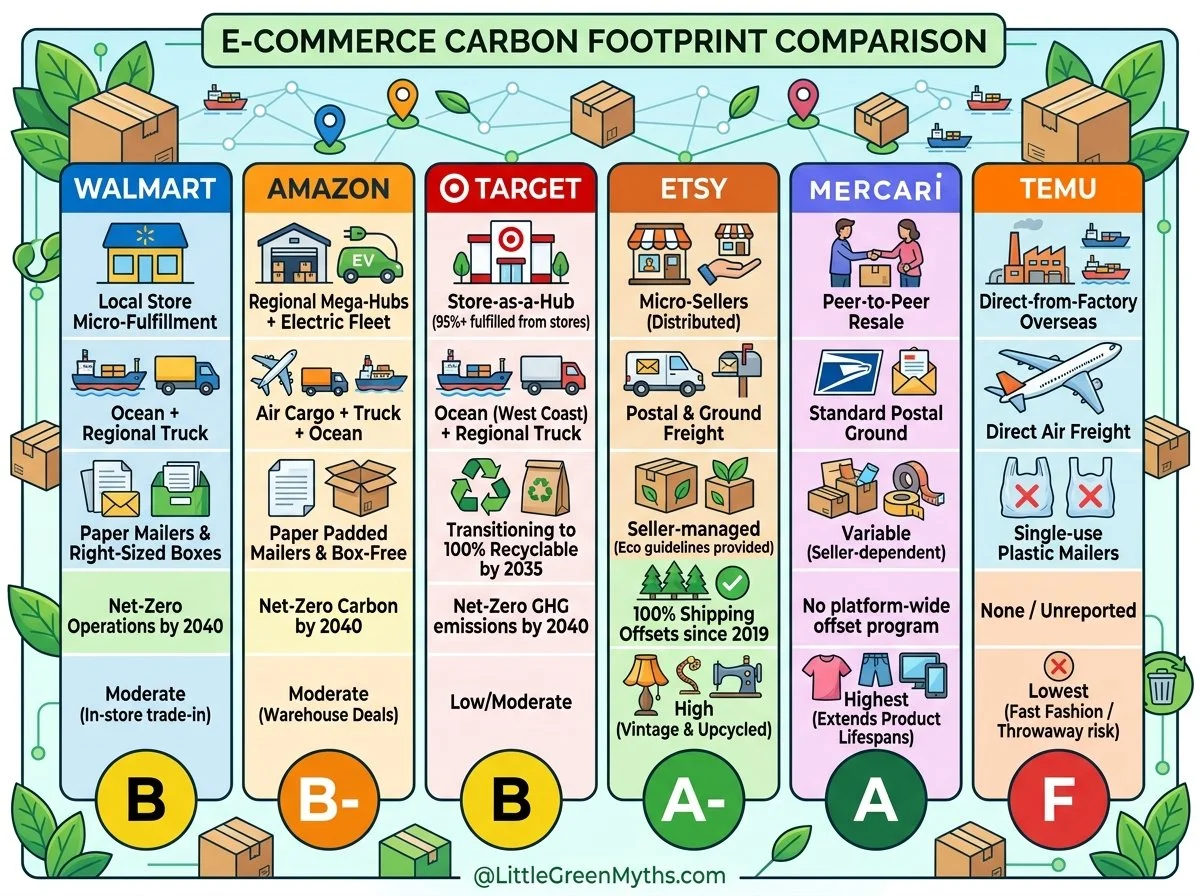
Evaluating the true environmental impact of e-commerce requires looking far beyond the cardboard box on your doorstep. A complete footprint analysis must evaluate four distinct layers of the digital shopping journey:
Long-Haul Logistics: How goods travel from factories to regional distribution nodes (ocean container vs. direct air freight).
Fulfillment Architecture: Whether items ship from centralized mega-warehouses or local physical stores.
Packaging Materials: The shift from single-use virgin plastics and polystyrene to recyclable paper and right-sized mailers.
Last-Mile Transport & Speed: The massive carbon penalty triggered by express one-day shipping versus consolidated ground delivery.
The three giant retail players—Walmart, Amazon, and Target—dominate American e-commerce, but their underlying delivery infrastructures operate on noticeably different environmental logic.
Walmart: Local Store Micro-Fulfillment
Walmart’s chief sustainability advantage lies in its unrivaled physical footprint. With over 4,700 stores located within 10 miles of 90% of the U.S. population, Walmart increasingly uses its stores as fulfillment hubs.
The Pros: By fulfilling online orders directly from nearby store shelves rather than distant regional hubs, Walmart drastically reduces total vehicle miles traveled (VMT) for last-mile ground delivery. On the packaging front, Walmart has transitioned millions of orders from traditional plastic mailers to 100% curbside-recyclable paper mailers and right-sized custom boxes.
The Cons: Walmart remains the single largest importer of containerized ocean freight in the U.S. Long-haul ocean transit from Asia to East Coast ports generates substantial maritime emissions before products ever reach store shelves. Additionally, operating massive, energy-intensive retail supercenters incurs a heavy Scope 1 and Scope 2 facility footprint.
Amazon: High-Density Logistics & Speed Penalties
Amazon is the undisputed king of e-commerce scale, operating thousands of fulfillment centers, sorting facilities, dedicated air cargo planes (Amazon Air), and electric last-mile delivery fleets. We’ve talked about their low carbon shipping model previously.
The Pros: Amazon leads corporate renewable energy purchasing globally and has deployed over 10,000 custom Rivian electric delivery vans across hundreds of cities. Their "Amazon Day" feature allows customers to consolidate weekly purchases into a single trip, cutting vehicle stops by up to 30%. Amazon has also largely replaced plastic air pillows with paper-based padded mailers and corrugated cardboard across North America.
The Cons: The core driver of Amazon’s carbon penalty is speed. Prime's 1-day and same-day delivery guarantees frequently force fulfillment algorithms to ship items in multiple separate boxes from different regional hubs. When speed takes priority over consolidation, delivery trucks travel with partially filled loads, and long-haul transport relies heavily on jet fuel rather than rail or ground freight. Amazon also struggles with extraordinarily high return rates, which generate a "reverse logistics" carbon loop.
Target: Consolidated Ship-Together & Plastic Reduction
Target fulfills over 95% of its digital sales through its physical store network, using an integrated store-as-a-hub strategy that mirror's Walmart's geographic edge.
The Pros: Target’s online checkout actively encourages order consolidation by offering discounts or prompts to "ship items together in fewer boxes." Target has also expanded bag-less drive-up pickups and store-level fulfillment, minimizing both corrugated packaging waste and regional trucking miles.
The Cons: Target recently extended its timeline for achieving 100% recyclable or compostable owned-brand packaging to 2035 due to supply chain complexities. While West Coast port routing shortens ocean transit compared to East Coast routes, peak seasonal volumes still create significant port congestion and regional trucking emissions.
When stepping away from traditional big-box inventory, alternative marketplaces present wildly divergent environmental profiles—ranging from industry-leading carbon neutrality to extreme carbon intensity.
Etsy: Pioneer in Carbon-Offset Shipping
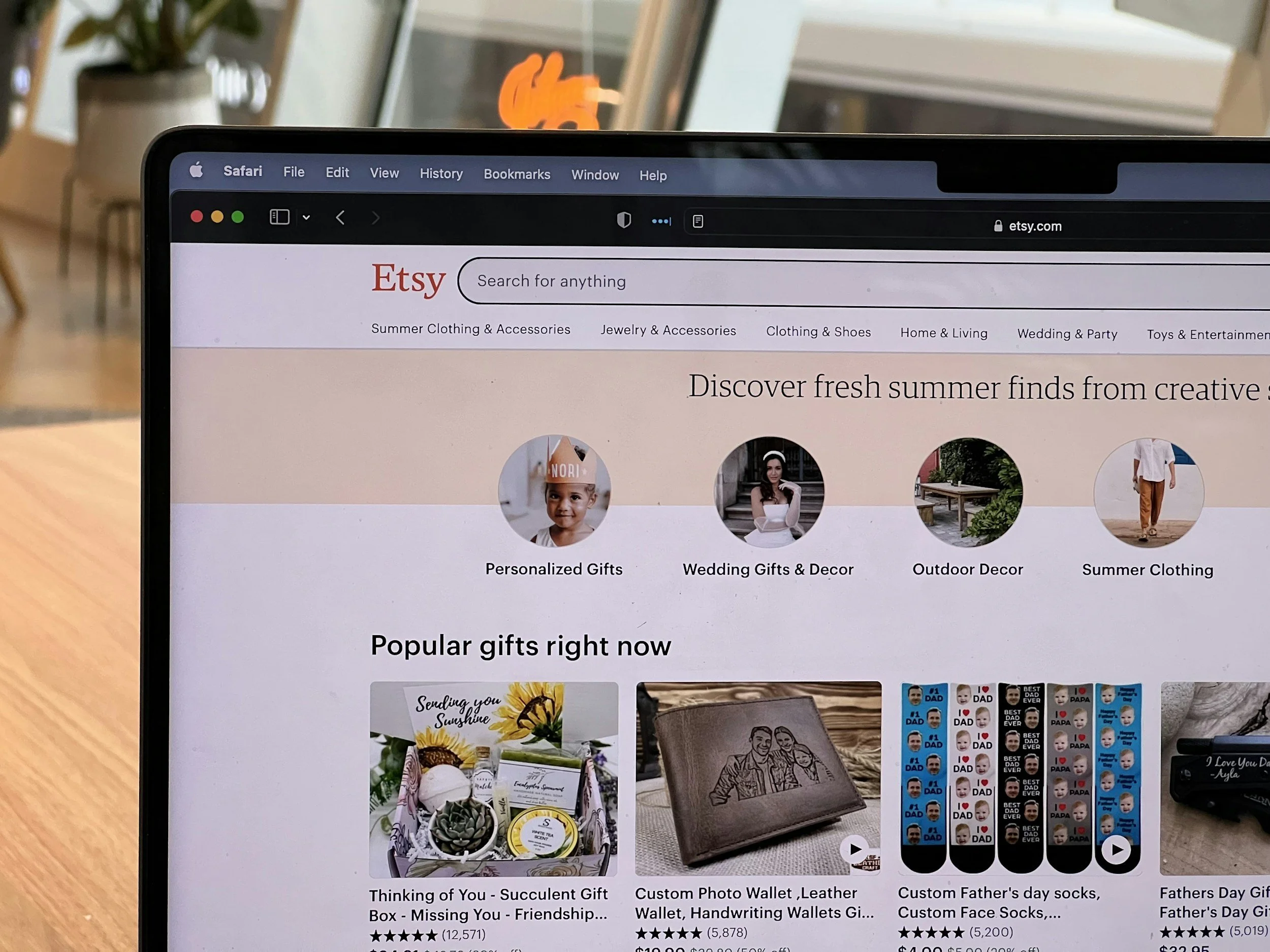
Etsy connects buyers directly with independent artisans, vintage sellers, and micro-businesses worldwide.
The Pros: Etsy made history in 2019 by becoming the first major e-commerce company to offset 100% of carbon emissions generated by shipping and packaging. Etsy calculates the CO2 generated by every seller package and invests in verified climate projects—including solar installations, forest conservation, and industrial emissions reduction. Furthermore, Etsy powers its corporate operations entirely with renewable energy and promotes plastic-free shipping guidance to its seller community.
The Cons: Because Etsy is a peer-to-peer marketplace, buying five items from five different sellers means five individual packages arriving via standard mail routes and we know impacts of various shippers varies greatly. Multi-item cart consolidation is structurally impossible, resulting in higher gross shipping emissions before offsets are applied.
Mercari: The Power of the Circular Economy
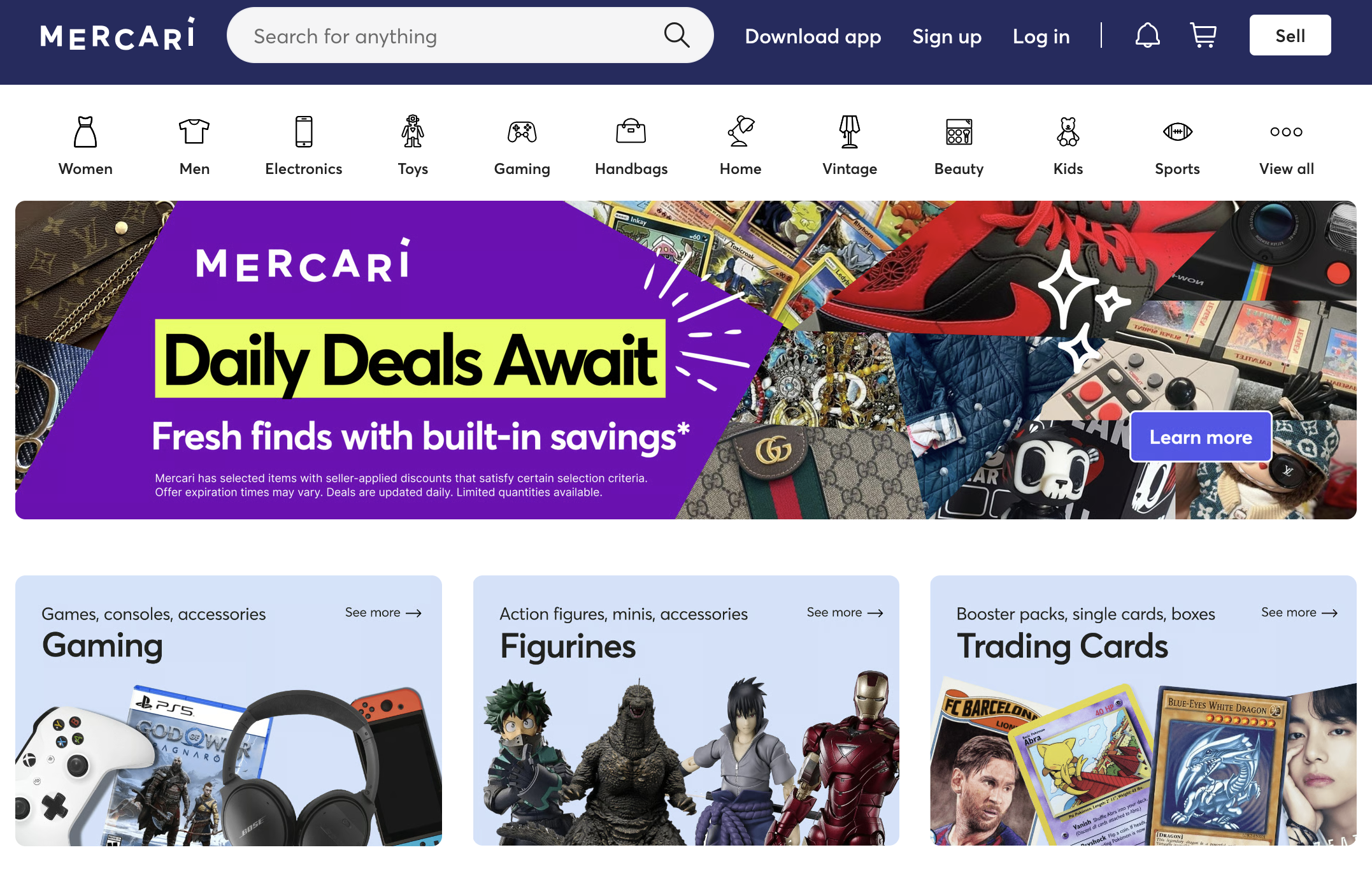
Mercari operates a pure peer-to-peer resale marketplace where individuals buy and sell pre-owned fashion, electronics, home goods, and collectibles.
The Pros: From a full life-cycle perspective, secondhand platforms like Mercari are environmental powerhouses. Manufacturing a new item—extracting raw materials, textile dyeing, industrial fabrication—accounts for 70% to 90% of a consumer product's total carbon footprint. By extending the lifespan of existing goods, buying on Mercari completely avoids new manufacturing emissions.
The Cons: Packaging sustainability depends entirely on individual casual sellers, leading to inconsistent use of bubble wrap, plastic tape, and reused boxes. Items ship individually via standard ground postal carriers, meaning last-mile efficiency mirrors standard peer-to-peer mail.
6. Temu: Fast Fashion & Direct Air-Freight Footprint

Temu has disrupted e-commerce with rock-bottom prices, shipping consumer goods directly from factories in China to individual shoppers worldwide.
The Pros: By eliminating domestic warehousing and middleman retail distribution, Temu minimizes regional warehouse building energy footprint.
The Cons: Temu’s supply chain model relies heavily on direct-to-consumer air freight to meet delivery windows without domestic inventory. Air cargo is the most carbon-intensive transport mode on earth, emitting 500 to 1,000 grams of CO2 per ton-kilometer—roughly 20 to 30 times more emissions than ocean freight.
Shipping a single 1 kg (2.2 lb) package direct from Asia via air freight generates approximately 4.75 kg of CO2 —more carbon than driving an average gasoline passenger car 22 miles.
Combined with ultra-thin plastic mailers, frequent single-item shipments, low product durability, and zero formal sustainability reporting, Temu presents the highest carbon intensity per item among major e-commerce platforms.
What Should You Do As A Consumer?

You don't need to quit online shopping entirely to make a meaningful difference. By altering how you order, you can slash your personal e-commerce carbon footprint by 30% to 70%:
Choose Slow Ground Shipping Over Express Air: Selecting standard 5-to-7 day ground shipping ensures your package travels by fuel-efficient truck or rail rather than carbon-heavy air freight.
Batch and Consolidate Purchases: Resist making single-item impulse purchases. Wait until you have 3 or 4 items in your cart, and choose options like "Amazon Day" or Target's "Ship Together in Fewer Boxes".
Opt for Local Store Pickup: If you shop at Target or Walmart, choose curbside or in-store pickup while bundling your trip with other necessary errands. This turns a dedicated delivery vehicle stop into an already-planned passenger trip.
Prioritize Re-Commerce First: Before buying new items from Amazon or Target, check Mercari or Etsy Vintage. Reusing existing goods bypasses 80%+ of a product's lifecycle footprint.
Avoid Overseas Air-Direct Marketplaces: Limit orders from platforms like Temu that rely on daily international air cargo flights to transport individual low-cost items across oceans.