Can Protecting Cute, Furry Species Save Nature?
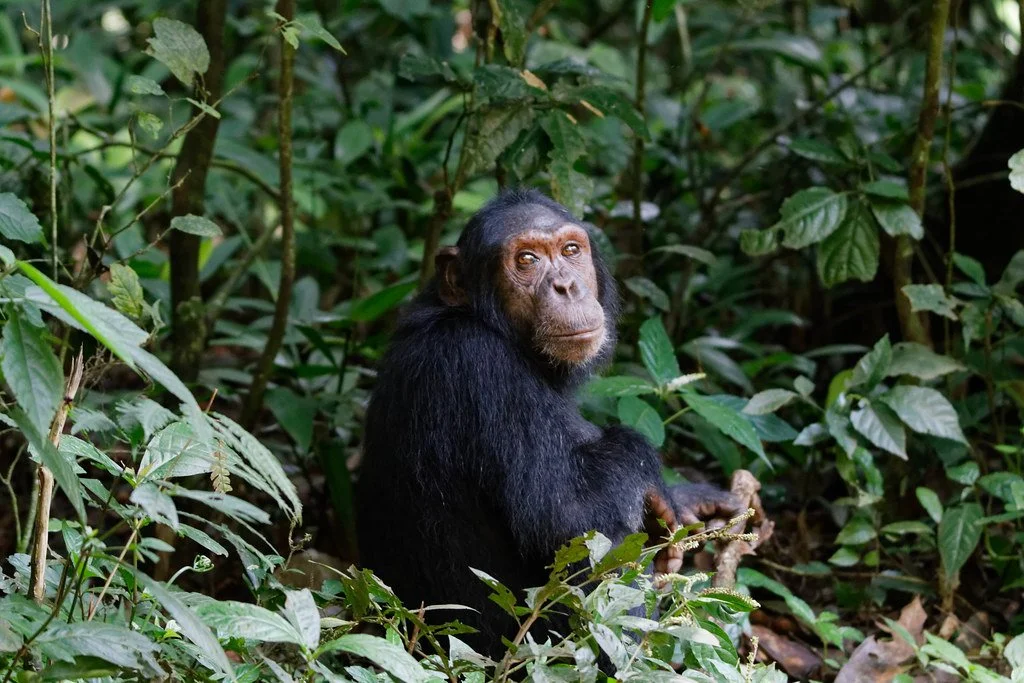
Have you ever walked down the food aisle at the grocery store and seen a picture of a cute animal on a box of coffee, tea, or chocolate? Maybe it was a smiling chimpanzee or a big elephant. These pictures are often part of something called an eco-label. Eco-labels are special stamps or signs on products. They tell you that the item was made in a way that protects nature and does not hurt the planet. We also call them charismatic megafauna.
Some people think that if you buy a product that protects a chimpanzee, every other creature in the forest magically gets saved too. Researchers in France took a closer look at this assumption. They looked at two types of species - flagship and umbrella.
A flagship species is an animal that is famous, cute, or exciting. Think of them like the main character in a movie or the mascot of a sports team. Animals like chimpanzees and elephants are perfect examples. Because people all over the world love them and think they are special, these animals are great at raising money and getting people to care about nature. Eco-labels love to use them on their boxes to get consumers to buy their products.
An umbrella species is an animal that acts like a real rain umbrella for other living things. The idea is simple: if you protect the large area of land that a big animal needs to live, you automatically open up an "umbrella" of protection over all the smaller animals, bugs, and plants that share that same home.
For a long time, people just assumed that famous flagship animals automatically worked as good umbrella animals. But is that always true? What if the chimpanzee likes one part of the forest, but other endangered animals live somewhere else? What if a threat hurts an elephant but does not hurt a monkey?
The scientists did their study in a place called Sebitoli, which is a small area inside Kibale National Park in the country of Uganda. Sebitoli is about 25 square kilometers inside.
This forest has a lot of history:
The Past: It was used for cutting down trees for wood between the 1950s and the 1970s.
The Present: Today, most of the forest (70%) is still growing back or is damaged, and only a small part (14%) is old, original forest.
The Neighbors: The forest is completely surrounded by places where humans live and work. There are giant tea farms and gardens where people grow food to eat or sell.
Because the wild animals live right next to human farms, there are a lot of problems. For example, farmers use chemicals called agrochemicals to help their crops grow, but these chemicals wash into the forest rivers and pollute the water and soil. Scientists even found these bad chemicals inside the bodies of wild chimpanzees!
Also, when farmers grow delicious food like maize (corn), hungry animals like chimpanzees and elephants walk out of the forest to eat it. This causes big arguments between humans and wildlife. Because many local people are very poor, some enter the park illegally to hunt animals or cut down trees to make money or get food.
To find out exactly which animals live together and what dangers they face, scientists spent four years (from January 2020 to December 2023) collecting clues in Sebitoli. They used two main tools:
Spy Cameras in the Woods
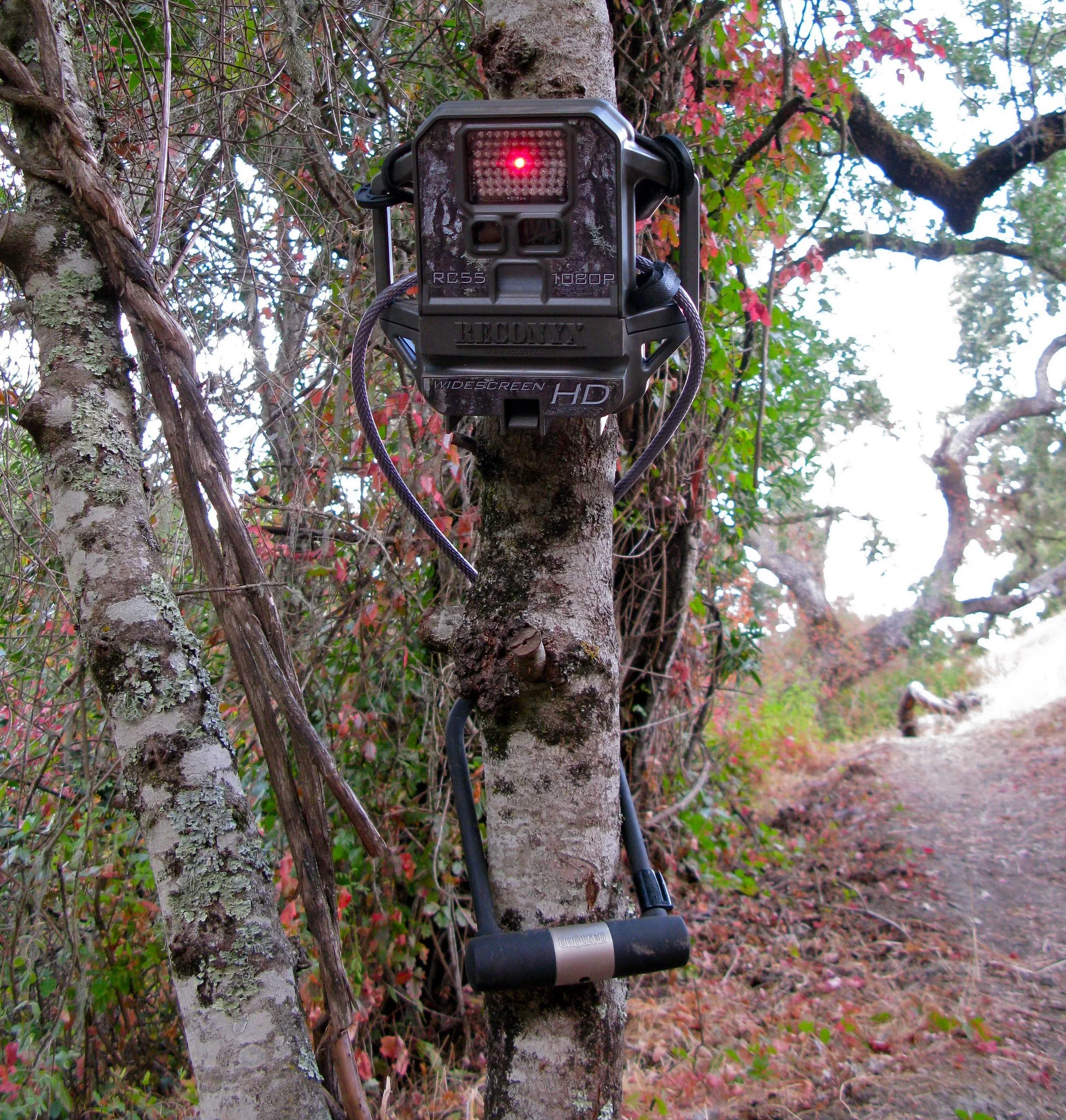
The scientists set up camera traps at 109 different spots in the forest. Camera traps are regular cameras inside strong, waterproof boxes tied to trees. They have a sensor that snaps a video whenever an animal walks past! The team put these cameras near animal trails and river crossings.
Over four years, these cameras captured a whopping 77,466 videos! Out of those, 61,348 videos showed clear pictures of wild animals. The cameras spotted 99 different types of wild animals, including 68 types of birds and 31 types of mammals!
Real-Life Forest Patrols
While the cameras were watching the animals, a real-life protection team walked through the forest 6 days a week, for 8 hours every day. They kept track of illegal activities and divided them into two groups:
Wildlife Threats: They found 447 wire snares. Snares are silent, hidden wire loops placed on the ground to catch the feet of animals. They are very dangerous because they trap any animal that steps into them, even if the hunter was looking for something else.
Plant Threats: They found 1,127 illegal plant activities. This included people cutting down trees, collecting firewood, stripping tree bark, burning wood for charcoal, or harvesting a wild plant called pepper.
What the Cameras Found: Who Shares a Home?
When the computer finished processing the map, the results were amazing. Chimpanzees and elephants were some of the most common animals seen on camera. Chimpanzees were found at 76% of the camera spots, and elephants were spotted at 64% of them.
But remember our big myth: Does saving them protect the others? To find out, the computer checked if the other 29 animal groups lived in the exact same places as the chimpanzees and elephants.
The Chimpanzee's Friends
Chimpanzees turned out to be incredible neighborhood leaders. They shared their living space with 26 different types of animals! That is 90% of all the species studied. Even better, they lived alongside four other threatened species:
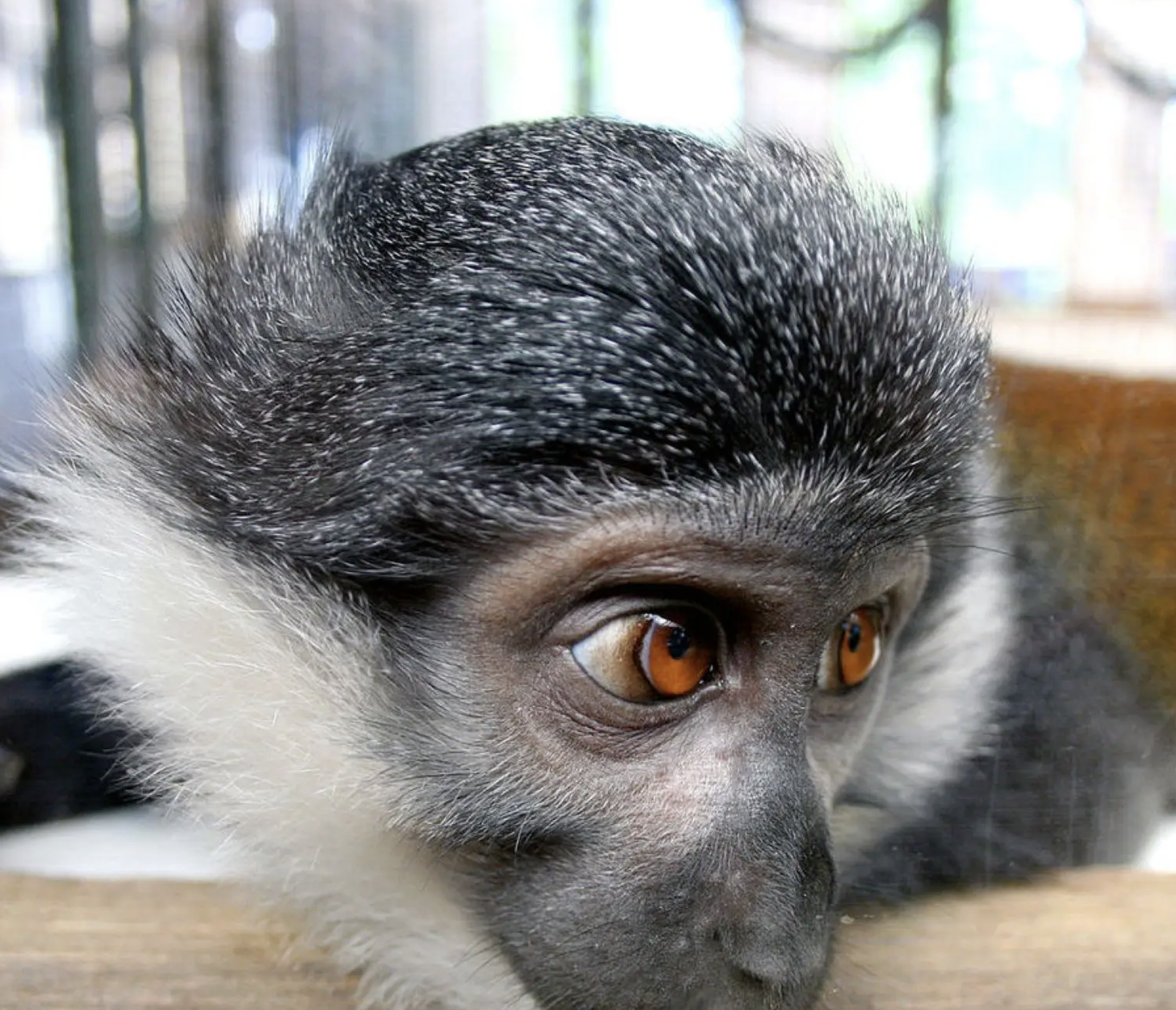
L'Hoest's monkey (Vulnerable)
African golden cat (Vulnerable)
Pangolin (Endangered)
Gray-cheeked mangabey (Vulnerable)
The Elephant's Friends
Elephants were also good neighbors, but they were a bit more private. They shared their spaces with 20 different types of animals (69% of the groups), including three of the threatened species listed above (the l'Hoest's monkey, the African golden cat, and the pangolin).
The computer also showed that chimpanzees and elephants frequently share the same areas. This means if you protect a chimpanzee's home, you are automatically protecting an elephant's home, and vice versa!
Who Was Left Out?
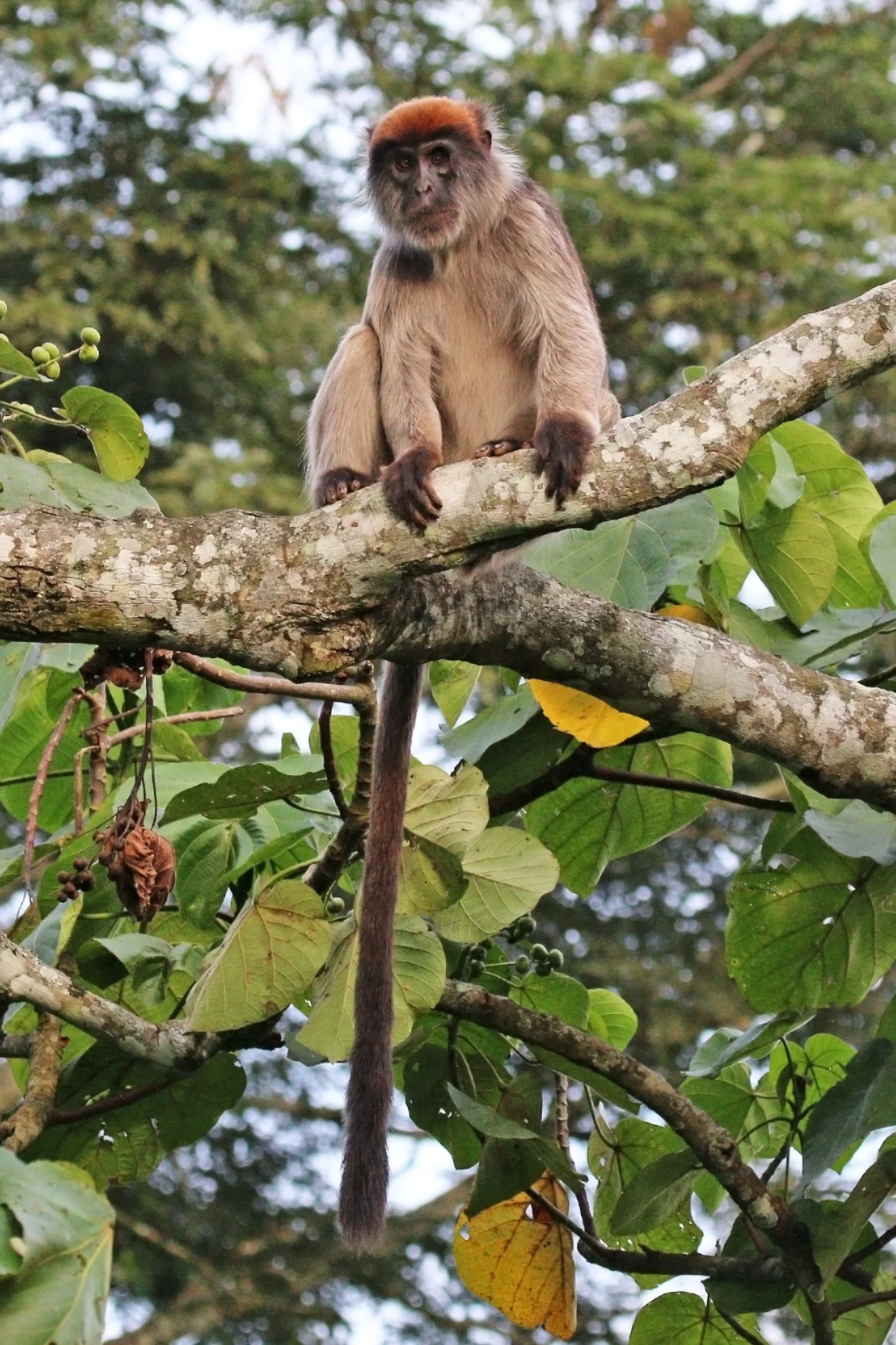
However, there was one animal that did not fit under the umbrella: the Ashy red colobus monkey. This endangered monkey did not seem to live in the same areas as chimpanzees, elephants, or any other animal groups on the map. This means that a standard "Chimpanzee Friendly" or "Elephant Friendly" project might miss this rare monkey completely!
How Animals React to Humans
The most important part of the study was looking at how human actions change where animals choose to walk. The results showed that different dangers affect animals in very different ways.
The Terrible Truth About Snares
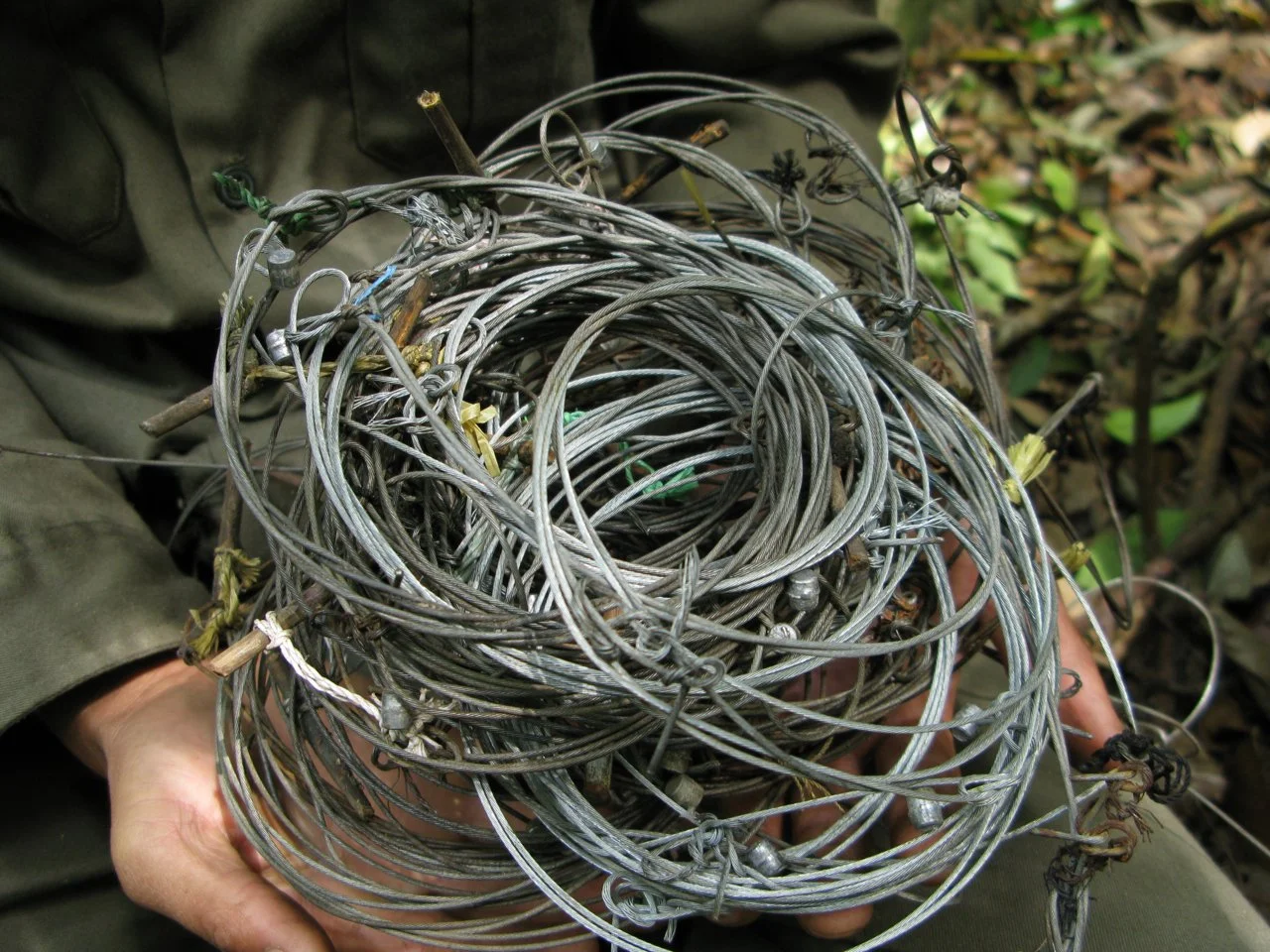
The wire loops hidden by hunters were the absolute worst danger in the forest. The computer program proved that the presence of wire snares significantly lowered the number of sightings for 18 out of the 31 animal groups!
This included the animals that hunters were trying to catch (like red duikers and bushbucks), but it also hurt animals that hunters were not trying to catch, including chimpanzees, elephants, African golden cats, gray-cheeked mangabeys, and Ashy red colobus monkeys.
Snares are indiscriminate. They don't care what animal steps into them. When a forest has a lot of snares, almost all the big and medium animals stop using that part of the woods because it is too dangerous.
Tree Cutting and Plant Gathering
When people went into the forest to cut down trees or take plants, it hurt 8 types of animals, including elephants. Elephants do not like being around areas where trees are chopped down and humans are walking around. Surprisingly, chimpanzees did not seem to care as much on camera, even though humans were cutting down the exact types of trees that chimpanzees love to use for building their sleeping nests!
Even more surprising: the gray-cheeked mangabey monkey was actually spotted more often in areas where plants were cut down!
Living on the Edge
The scientists also wanted to see if animals were scared of the forest edge where the human farms start.
The Scared One: The L'Hoest's monkey was the only animal that completely avoided the edge of the forest. They stayed deep in the middle of the woods where it was safe and quiet.
The Brave Ones: Six types of animals were actually spotted more often right at the edge of the forest. This included baboons, rats, servaline genets, bushbucks, tambourine doves, and black-and-white colobus monkeys. Why? Because they love to sneak out of the forest to steal delicious food from human gardens!
The Others: The rest of the animals (77% of them), including chimpanzees and elephants, did not seem to care how close they were to the edge.
Busted or Confirmed? The Verdict on Eco-Labels
So, let's look back at our big green myth: Can chimpanzees and elephants be used as reliable flagship-umbrella species for eco-labels?
The answer is... Yes, but they work much better when they work together!
The study proved that both animals pass the first test: they live in the same places as many other threatened species. If you save their habitat, you save the home of many other creatures.
But the study also showed that chimpanzees and elephants have different "superpowers" when it comes to being an umbrella:
Chimpanzees are the Space Kings: They live with more types of animals (26 groups) than elephants do. They cover a wider variety of neighbors.
Elephants are the Danger Indicators: Elephants are much more sensitive to human threats. They run away when people cut down trees, and they are highly affected by hunting snares.
Because of this, the scientists recommend that new eco-labels—like a Chimpanzee Friendly Label or an African Elephant Friendly Label—should not choose just one animal. They should use both animals at the same time to get the perfect balance of protection!
How to Create a Perfect Eco-Label
The study concludes with some great advice for companies that want to make real, honest eco-labels that actually help the planet. If a company wants to put a chimpanzee or an elephant on their product box, they shouldn't just write a nice story. They must include real rules in their standards:
Fund Anti-Poaching Patrols: Labels should provide money to pay for forest guards to walk the woods and remove wire snares. Removing snares helps 18 different species all at once!
Help the Human Neighbors: People usually go into the forest to poach or cut trees because they are poor and need to feed their families. Eco-labels must ensure that farmers are paid fair, high prices for their tea or crops. When local communities have good incomes, they don't have to take risks by doing illegal things in the national park.
Teach and Share: Labels should help fund school programs to teach kids and adults how special their local wildlife is, turning arguments between humans and animals into peaceful cohabitation.