Wildland Firefighters Face Hidden Chemical Dangers
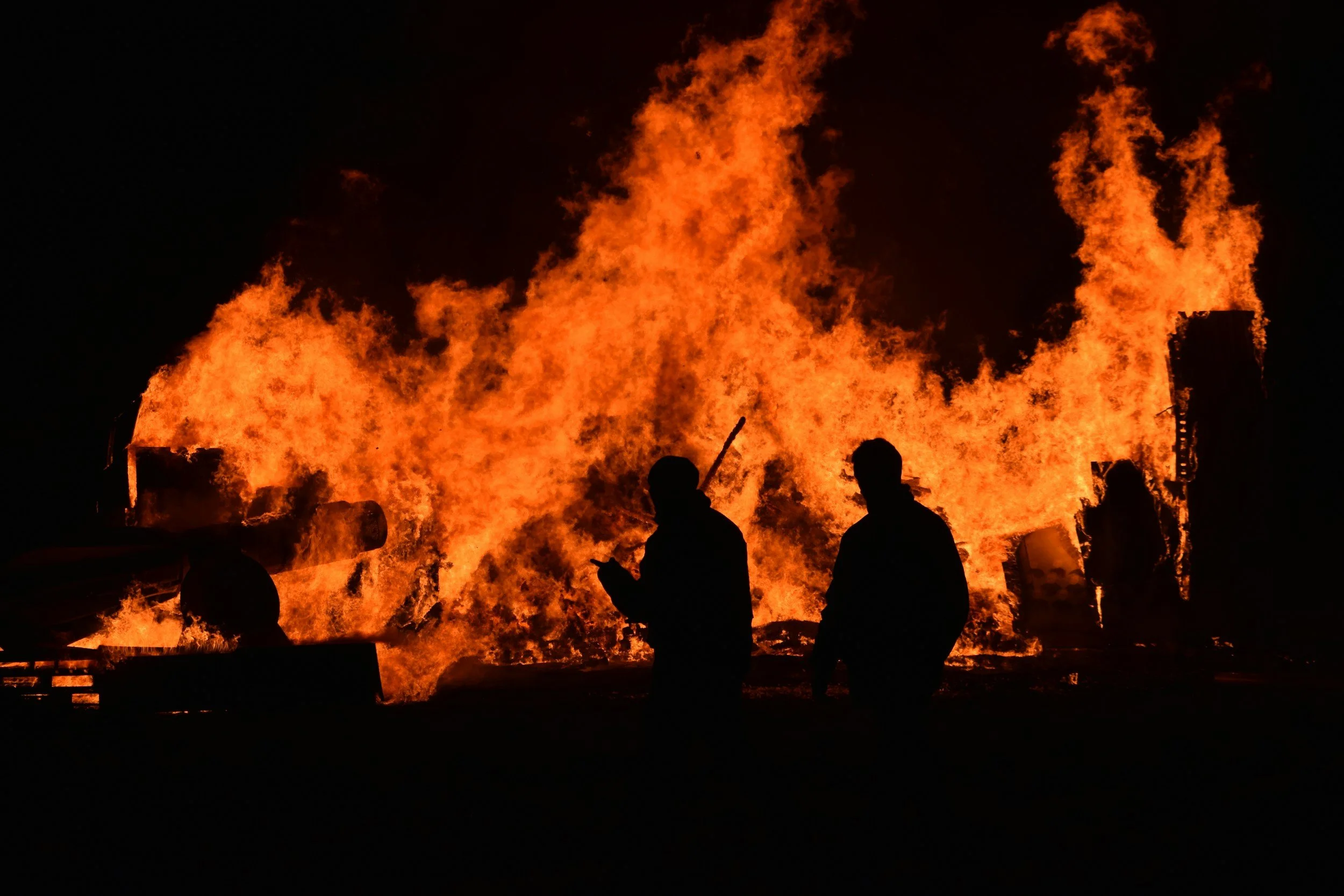
When we think of forest firefighters, we usually picture brave heroes fighting natural fires in the beautiful woods. We think the only thing they breathe in is regular wood smoke. But a scientist named Dr. Alissa Cordner did a study that shows a very different story. She found out that forest firefighters are facing many hidden, unnatural chemical dangers.
Dr. Cordner did not just hand out paper questions to firefighters. Instead, she actually went through the hard training to become a firefighter herself. From 2015 to 2025, she worked right alongside real fire crews in Oregon. She also interviewed 22 fire workers and leaders to learn about the daily hazards that most people never talk about.
Myth 1: Firefighters only breathe "natural" wood smoke.
Fires are now burning into areas where houses and cars are mixed in with the trees. When cars and modern homes burn, they release highly toxic smoke filled with melted plastics and heavy metals like lead and mercury.
Firefighters are not given the heavy air masks that city firefighters wear, but they still have to put out these toxic car and house fires anyway.
Even deep in the woods, workers use thick plastic sheets to keep wood piles dry. When they set the wood on fire, the plastic melts and creates dangerous, cancer-causing smoke that the firefighters breathe in for days. This is not surprising as people in cities may be inhaling plastics everyday and it’s common for people to burn their plastic trash, placing our health at risk.
Myth 2: The only dangers are big, scary accidents.
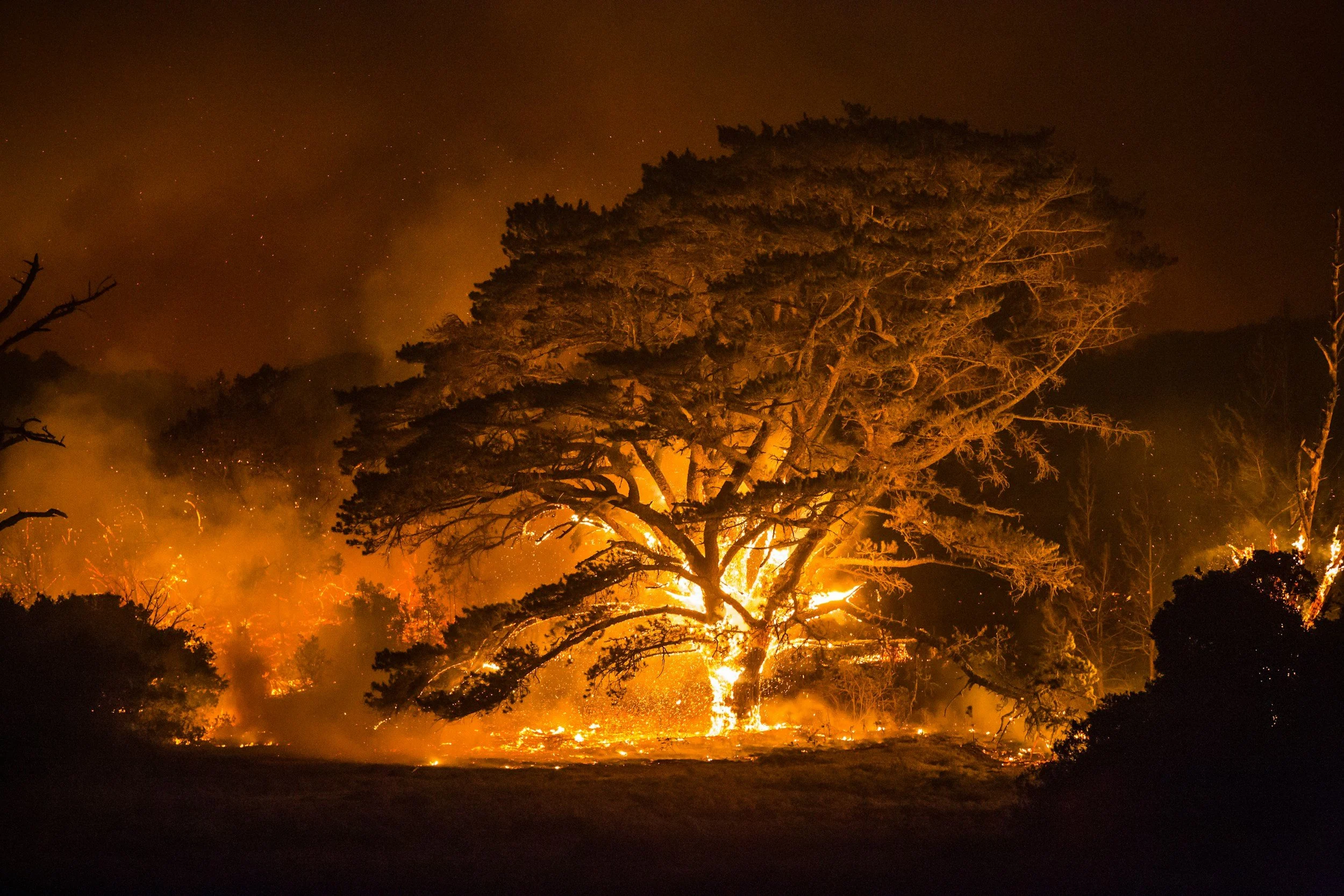
Firefighters are taught to watch out for immediate dangers like falling trees, changing weather, or getting too hot. However, the study shows that daily, slow-acting dangers are ignored.
Firefighters spend hours driving on dry dirt roads, breathing in huge clouds of "moon dust". This dust contains tiny bits of rock, mold, and chemicals that can hurt their lungs, but it is never mentioned in safety meetings.
Workers spend all day using loud chainsaws and brush cutters. They breathe in heavy gas exhaust all day and have to mix fuel and oil with their bare hands.
Myth 3: Their clothing and safety tools keep them completely safe.
The special green and yellow clothes given to firefighters actually contain hidden, dangerous chemicals called PFAS and bromine, which are used to stop the clothes from catching fire. When firefighters sweat, these chemicals can soak into their skin.
In firefighter culture, having a clean yellow shirt makes you look like a beginner. Firefighters are proud to wear shirts covered in sweat and soot. This means they are wearing trapped chemicals close to their skin for weeks.
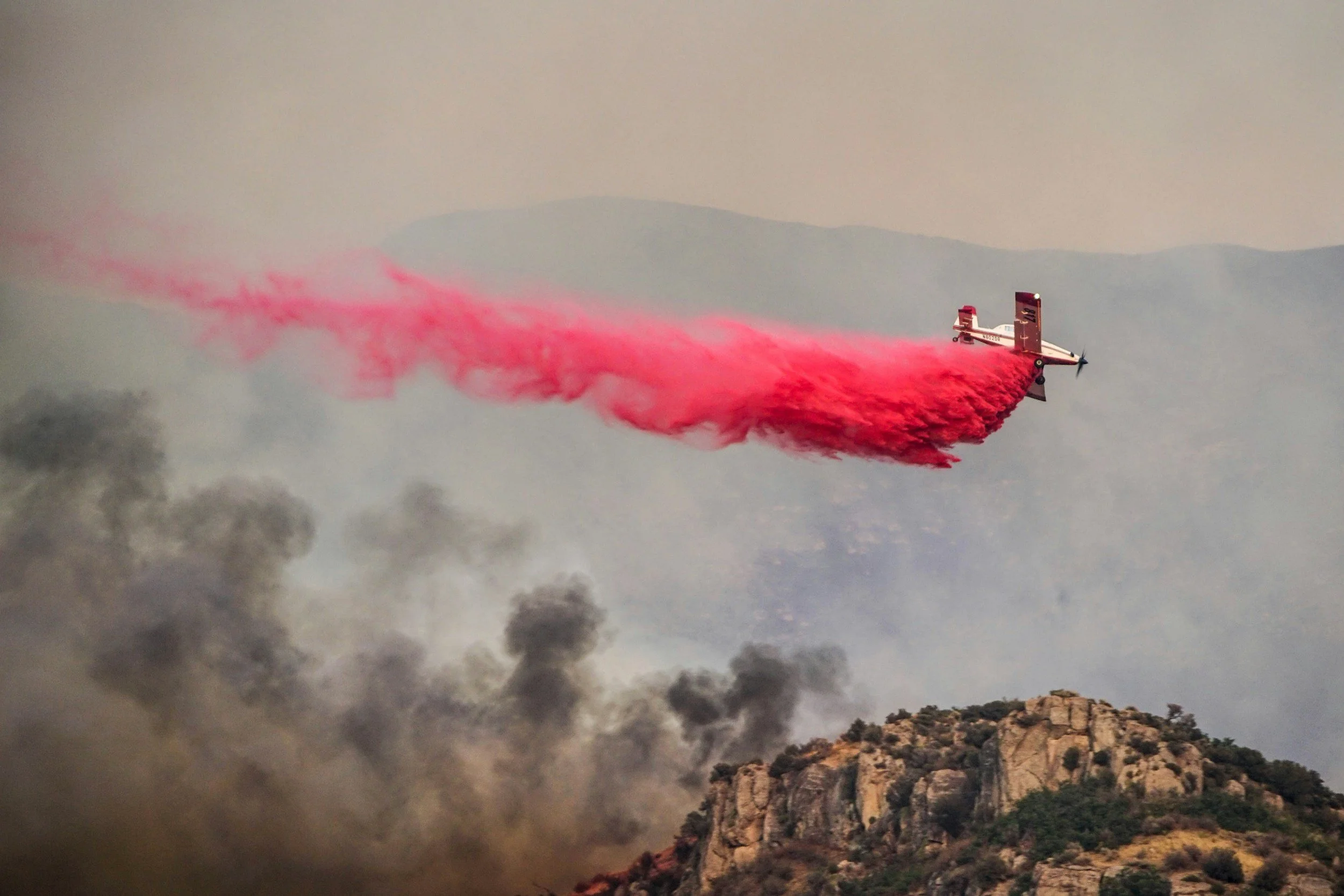
The red liquid dropped from airplanes and the foam pumped from fire trucks are full of harsh chemicals. Firefighters sometimes get sprayed by accident, and some even use the fire foam as regular soap to wash their hands before lunch.
Myth 4: Fire camps and houses are safe places to rest.
Firefighters work up to 16 hours a day and need 4,000 to 6,000 calories to keep going. But the food served at fire camps is often terrible, including moldy bread, rotten vegetables, or food that wild mice have chewed on overnight.
Firefighters have to drink water from plastic bottles or jugs that sit under the hot summer sun, which causes bad plastics to melt into their drinking water.
When they go back to their home stations, many seasonal firefighters have to live in cheap government buildings. These buildings are often falling apart and filled with mice, black mold, and old lead paint. Workers are afraid to complain because they worry the bosses will just close the buildings and leave them homeless.
Myth 5: Forest fires only burn in clean, untouched nature.
Modern wildfires burn wherever the wind takes them. They frequently cross into dangerous areas like old abandoned mines, military bases, and even old nuclear weapons sites. When these areas burn, the smoke carries dangerous heavy metals, asbestos, or radiation into the air for firefighters to breathe.
Why Is This Problem Trapped?
It is very hard to fix these problems because of the tough culture of firefighting. When your daily job involves trying not to get crushed by a falling tree or burned by a wall of fire, you do not worry very much about getting sick from chemicals 20 years from now.
Additionally, fire managers are facing a big problem: they do not have enough workers because the pay is low and the job is exhausting. Managers worry that if they tell new young recruits about all the invisible chemical poisons on the job, the recruits will get scared and quit immediately.
This study shows that wildland firefighters are not just outdoor heroes; they are operating like factory workers surrounded by dangerous chemicals. To truly keep them safe, the government needs to look past the flames and start protecting them from the invisible poisons they breathe and touch every single day.