Do Your Neighbors Care About Backyard Wildlife Or Do They Just Love Sterile Grass?
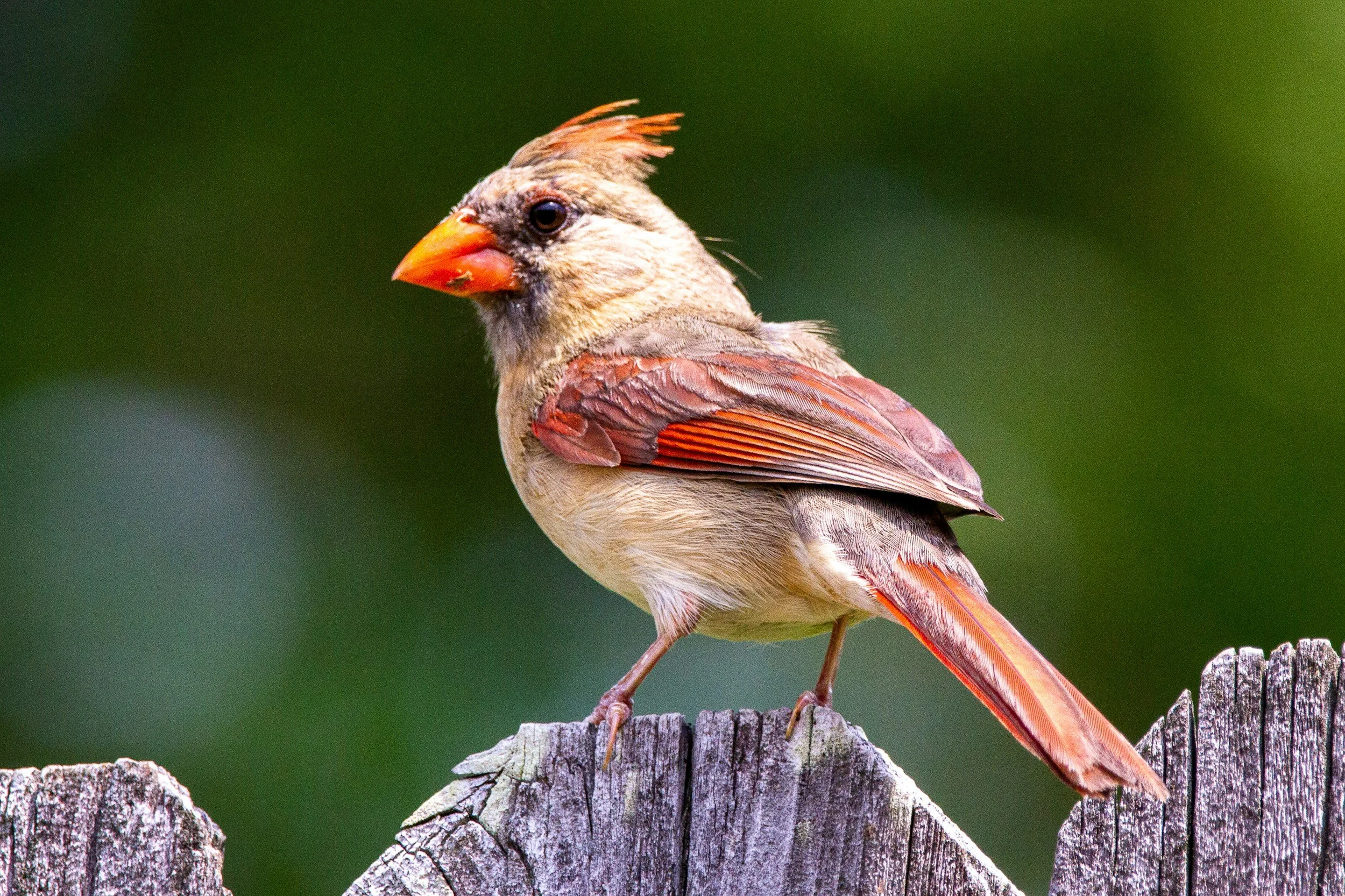
Sometimes, if you watch the news or look around big cities, it can feel like people only care about themselves. You might hear people say, "Nobody wants to do hard work in their yard just to help a few birds," or "People would rather spend their money on video games and fancy cars than on planting trees for squirrels."
We hear these kinds of comments all the time. It is a very common belief—or what we like to call a Green Myth—that regular homeowners are too busy or too selfish to care about the nature right outside their windows.
A team of researchers decided to find out if this myth about wildlife is true. Justine Nwanakwere, Stephanie Brockmann, Kelly Giraud, and Ju-Chin Huang from the University of New Hampshire and Baker University put together a massive science project.
Do human beings actually care enough about wild animals to spend their own time and money helping them?
They wanted to measure the hidden value that families place on local wildlife. Instead of just guessing, they used advanced math and a giant survey to ask real homeowners in New England exactly what they would be willing to give up to make their properties safe, welcoming homes for wild animals.
Imagine you are a little songbird, a fuzzy wild rabbit, or a busy bumblebee living in New England. New England was an area was filled with thick forests, beautiful wetlands, and wide-open meadows where millions of animals lived happily.
But over the last hundred years, humans have built a lot of things. We have built wide roads, big schools, giant shopping centers, and millions of houses. Every time a new neighborhood is built, trees are chopped down and the wild ground is covered up by smooth concrete or flat green lawns. Scientists have a special name for this problem. They call it habitat loss and fragmentation.
Imagine if your school playground was cut into four tiny blocks, and each block was separated by a roaring river of hot lava or a busy highway full of speeding cars! It would be very scary and difficult to travel from the swing set to the slide. That is exactly what wild animals face when a big forest is chopped up into tiny backyard lots.
According to official wildlife records, more than 1,000 different types of plants and animals in New England are currently in big trouble because their homes are disappearing. If we look at the specific states, the numbers are shocking.
Massachusetts has 570 species in urgent need of help, Connecticut has 467, Maine has 378, Rhode Island has 454, New Hampshire has 169, and Vermont has 977!
When these animals lose their homes, it harms the whole planet. Animals do important jobs for free, like cleaning our water, keeping the weather balanced, and moving pollen around so fruits and vegetables can grow. We call these helpful acts ecosystem services.
The Value Of Our Backyards
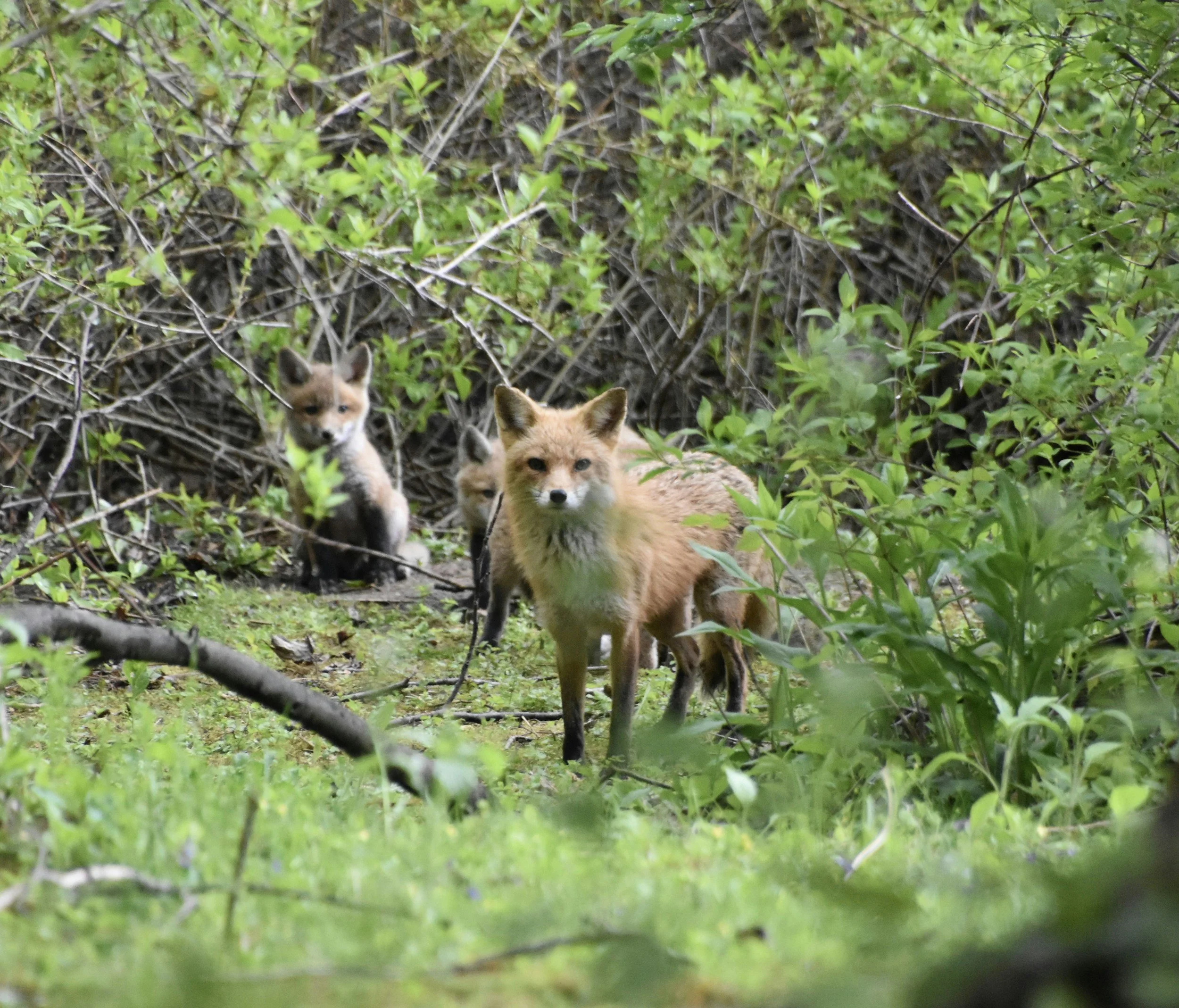
When most people think about saving endangered animals, they picture giant national parks or far-away nature reserves run by the government. But here is a fascinating fact that many people do not know: in New England, regular families own more than 80% of all the land. That means the government cannot just buy all the forests to save the birds. The real power to save wildlife belongs to everyday people right in their own neighborhoods.
This is where something called wildlife-friendly landscaping comes into play. Landscaping means changing the plants and design of a yard. Instead of having a perfectly flat lawn of short green grass that requires heavy chemical sprays and constant mowing, homeowners can choose to do things differently.
They can plant bushes that grow delicious berries for hungry birds, grow colorful wild flowers that give sweet nectar to bees, leave a pile of old logs for interesting beetles, or put up sturdy wooden houses for bats and owls. If thousands of families changed their yards just a little bit, it would connect all those broken "fragments" of nature back together like a giant puzzle, creating a massive, safe highway for animals to travel through.
But here is the catch: transforming a yard takes effort. It requires a person to roll up their sleeves and sweat under the sun, which takes time. It also requires buying seeds, bushes, trees, and tools, which takes money.
The scientists wanted to know: Are regular homeowners truly willing to sacrifice their precious weekends and hard-earned cash for the sake of local wildlife? And if so, how much?
To get to the bottom of this mystery, the researchers designed a special survey and sent it out to thousands of homeowners using an online system called Qualtrics. They ended up getting complete, highly detailed answers from 2,033 families across all six New England states! They even did extra interviews with special groups of homeowners, professional landscape gardeners, plant nursery owners, and officers from state Fish and Game departments to make sure their survey questions were fair and made sense.
The survey presented homeowners with realistic scenarios. It asked them: "If you knew exactly what to do, would you be willing to spend X hours of your free time landscaping your yard specifically to help local wildlife?" It also asked: "Would you be willing to pay a one-time fee of Y dollars to do it?"
Here is the clever part: the computer randomly changed the numbers for X (hours) and Y (dollars) for every single person who took the survey. Some lucky people were asked if they would give just 1 hour or 1 dollar. Other people were asked if they would give a whopping 500 hours or 1,500 dollars!
By keeping track of how many people said "Yes" when the price was low versus how many people still said "Yes" even when the price was sky-high, the researchers were able to use statistics to calculate the exact average value that people hold in their hearts for nature.
The Peanut Butter and Jelly Model
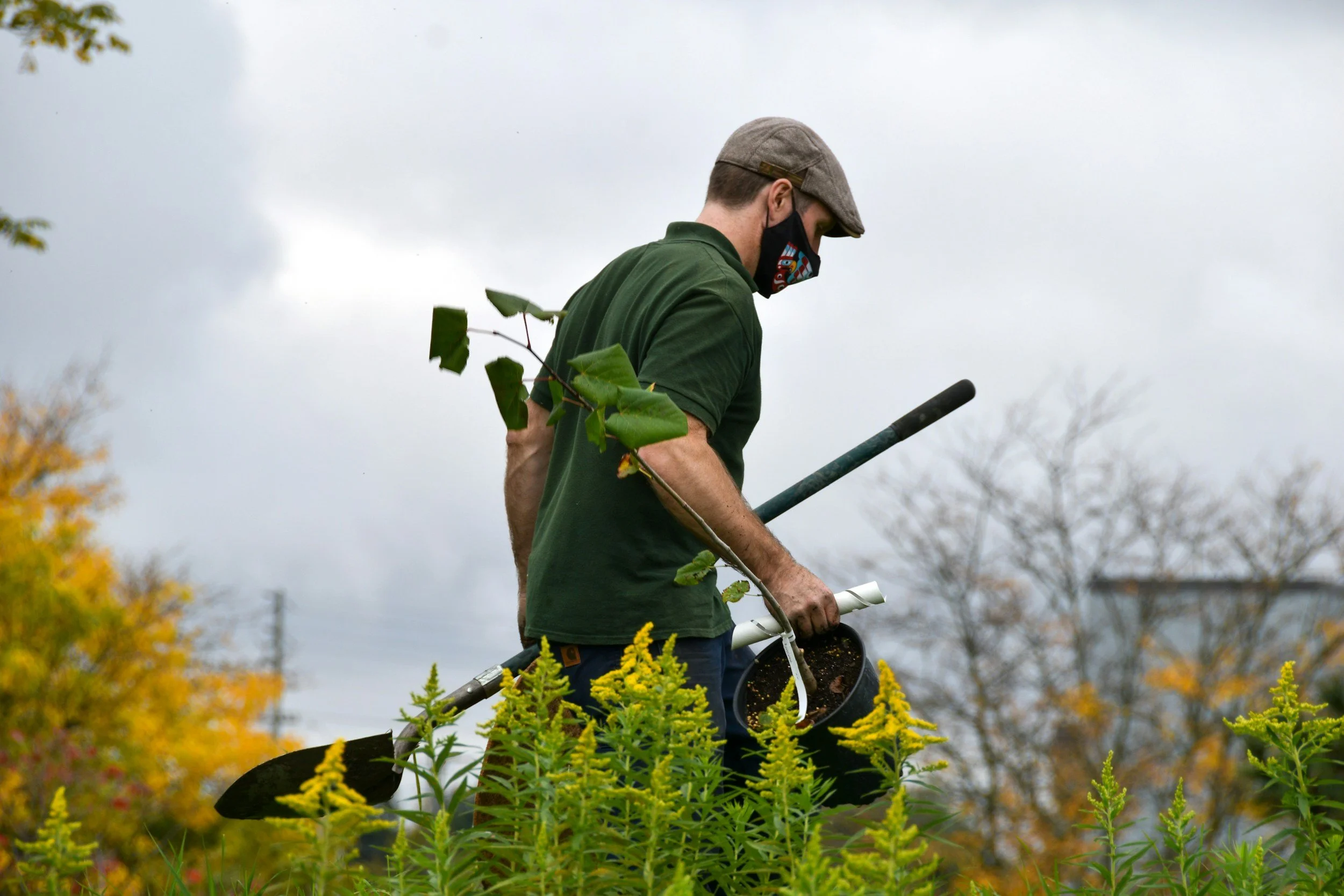
The scientists noticed something very important: a person's decision about time is deeply connected to their decision about money. Think about it like a peanut butter and jelly sandwich—the two ingredients always go together! If a homeowner has a lot of free time but very little money, they might choose to spend hours digging holes and pulling weeds themselves.
On the other hand, if a homeowner works a very busy job and has no free time, but has extra money in the bank, they might choose to spend hundreds of dollars to hire a professional gardener to do the physical labor for them.
Because time and money are linked, the scientists knew that if they looked at them separately, their math would be wrong and blurry. To keep the numbers perfectly sharp, they used an advanced mathematical tool called a bivariate probit model. This model allowed the computer to study both the time decision and the money decision simultaneously while accounting for the secret ways they influence each other.
When they ran the calculations, they found a very strong positive correlation score of 0.76, proving that homeowners definitely balance their time and money together whenever they think about helping the environment.
When the computer finished processing all the data from the 2,033 households, the final numbers were interesting.
On average, a New England homeowner is willing to give up 101.8 hours of their personal time every single year and spend $403.20 of their own money to help wild animals live safely in their yards!
Spending 101.8 hours a year means a family is willing to dedicate about two full hours of hard work every single week of the year solely to help wild animals. That is equal to four whole days of non-stop, around-the-clock gardening!
And a payment of $403.20 is not a tiny pocket-change amount either. That is enough money to buy multiple beautiful young trees, dozens of flowering bushes, multiple high-quality bird feeders, and large bags of premium animal feed. In fact I planted my entire front yard with pollinator plants for $600.
Who Cares About Backyard Wildlife?
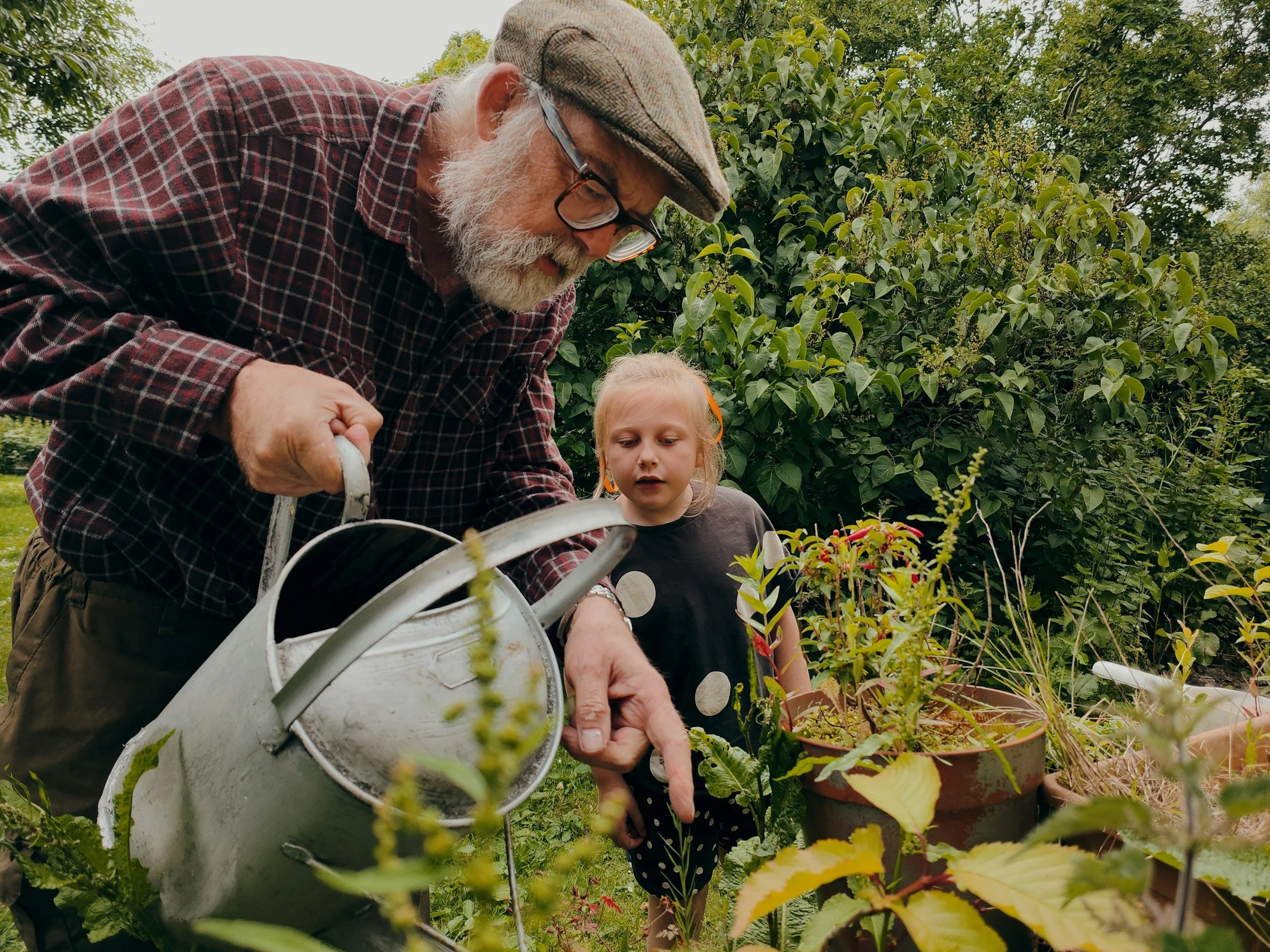
The research paper did not just find two magic numbers. It also looked at different types of people—what scientists call demographic factors—like where people live, how old they are, and whether they have kids. In doing so, the study busted four huge stereotypes that people often believe about society.
Myth 1: City people don't care about nature
The study revealed that urban residents (people living in cities) were actually more willing to contribute both their time and money to wildlife landscaping than people living deep in the countryside.
The scientists explain that city people experience a feeling of "scarcity". Because they are surrounded by buildings and asphalt all day, they miss nature terribly. Therefore, they place a much higher value on protecting the small animals and birds that visit their small city yards.
Myth 2: Grandpas and grandmas have all the free time, so they do all the heavy wildlife gardening
The data showed that senior citizens aged 65 and older were significantly less willing to invest their time or money into changing their landscapes. This is what economists call a life-cycle effect.
As people grow older, physical labor like lifting heavy bags of soil, digging deep holes, and bending down to plant bushes can become very painful and difficult for their bodies. Older individuals may also focus more on immediate needs rather than long-term backyard transformations.
Myth 3: Homeowners only care about how much money their house will sell for in the future
The survey specifically asked people if they made landscaping choices based on the resale value of their property. The advanced math model showed that worrying about house prices had zero statistical impact on their choices.
Instead, the ultimate driving force was pure kindness. People said "Yes" simply because they cared about the well-being and health of local wildlife. They wanted the animals to be happy, even if it didn't add a single penny to the value of their home!
Myth 4: Having children makes families too busy and too broke to think about helping wild creatures
The researchers discovered that households with more children under the age of 18 were actually more likely to spend money on wildlife conservation landscaping. Why would busy parents want to spend extra money on nature?
Economists have a beautiful term for this called bequest value. A bequest is a special gift that you pass down to the next generation. Parents want their children to grow up in a beautiful world filled with singing birds, fluttering butterflies, and playful animals. They view spending money on the yard today as an investment in their children's future happiness.
Fear Of Property Damage
Even though the study shows an enormous wave of love for animals, the scientists also looked at the things that scare people away from helping.
They found one massive roadblock that makes homeowners say "No" to the survey: fear of property damage.
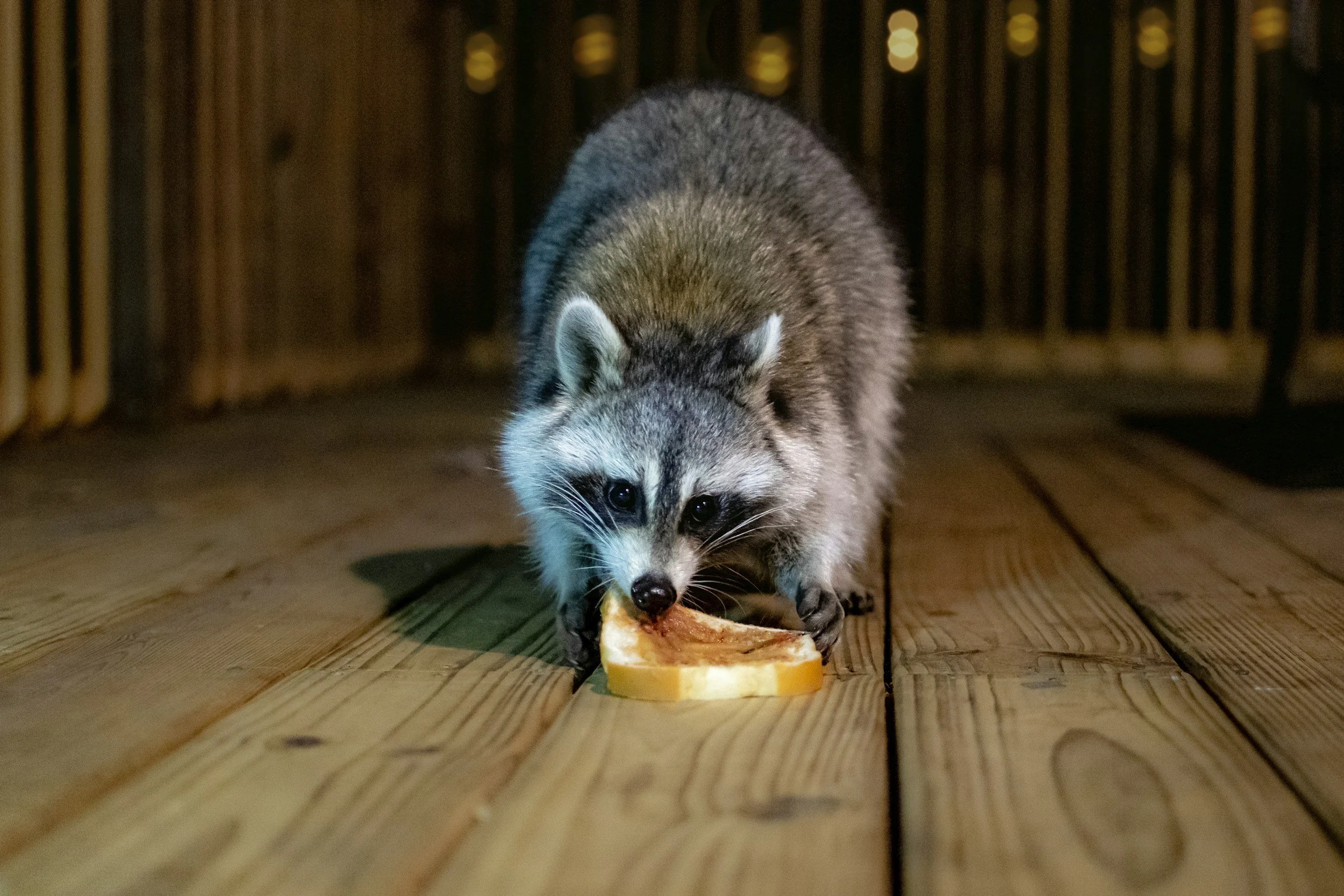
Have you ever seen a hungry herd of deer munch through an expensive vegetable garden? Or a clever raccoon knock over a heavy trash can and spread garbage all over the driveway? What about a woodpecker drilling holes into the side of a wooden house? These are real problems. In the survey, about 28% of all the homeowners expressed serious worries about wild animals causing damage to their property.
When people are worried about animals breaking things or ruining their property, their willingness to invest time and money plummets dramatically. Economists call this a negative externality. It represents a tough trade-off.
Homeowners genuinely want to help the environment (which is a public good for everyone), but they also feel a strong need to protect their own private homes. If a family believes that planting beautiful berry bushes will just invite a group of animals to damage their porch or destroy their lawn, they will choose to keep their yard completely plain and uninviting.
What Can You Do?
How can town leaders, lawmakers, and nature organizations use this information to save the 1,000+ endangered species in New England.
Knowledge is Power!
The study clearly proved that when people are highly knowledgeable about wildlife species, they are much more likely to vote "Yes" to investing their time and money. This means we need to focus heavily on education! Communities should host fun, interactive programs at local schools, libraries, and public parks to teach families about the names, habits, and secrets of the animals living nearby. When a homeowner learns to recognize the specific birds and butterflies in their neighborhood, they stop seeing them as random pests and start seeing them as precious neighbors that deserve a safe home.
Form Volunteer "Garden Squads"
Since older homeowners aged 65 and older are less able to perform heavy physical yard work, we should not just leave them out of the solution. Towns and schools could create volunteer youth groups or community "Garden Squads." These energetic volunteers could visit the homes of senior citizens to do the heavy digging, mulching, and planting for free. This allows older generation members to share their beautiful yards with nature without hurting their backs or spending money they do not have.
Create "Smart Shield" Gardening Guides
To solve the big roadblock of wildlife damage, we need to teach people how to co-exist with animals safely. Nature organizations can publish free guides showing families how to build natural, invisible fences or how to choose special native plants that birds absolutely love but deer hate to eat. By teaching "Smart Shield" gardening methods, we can take away the fear of property damage and help homeowners feel safe opening their yards to wild visitors.
Give Out Small Green Rewards
Since buying trees, bushes, and birdhouses can add up quickly, local governments can offer small financial rewards to families who participate. For example, a town could give a small discount on property taxes or water bills to any homeowner who proves they have converted a section of their lawn into a certified wildlife habitat. They could also hold community events where families receive free packets of local wildflower seeds or discounted native shrubs.