Why “We Are All In This Together” Doesn’t Lead To Climate Action
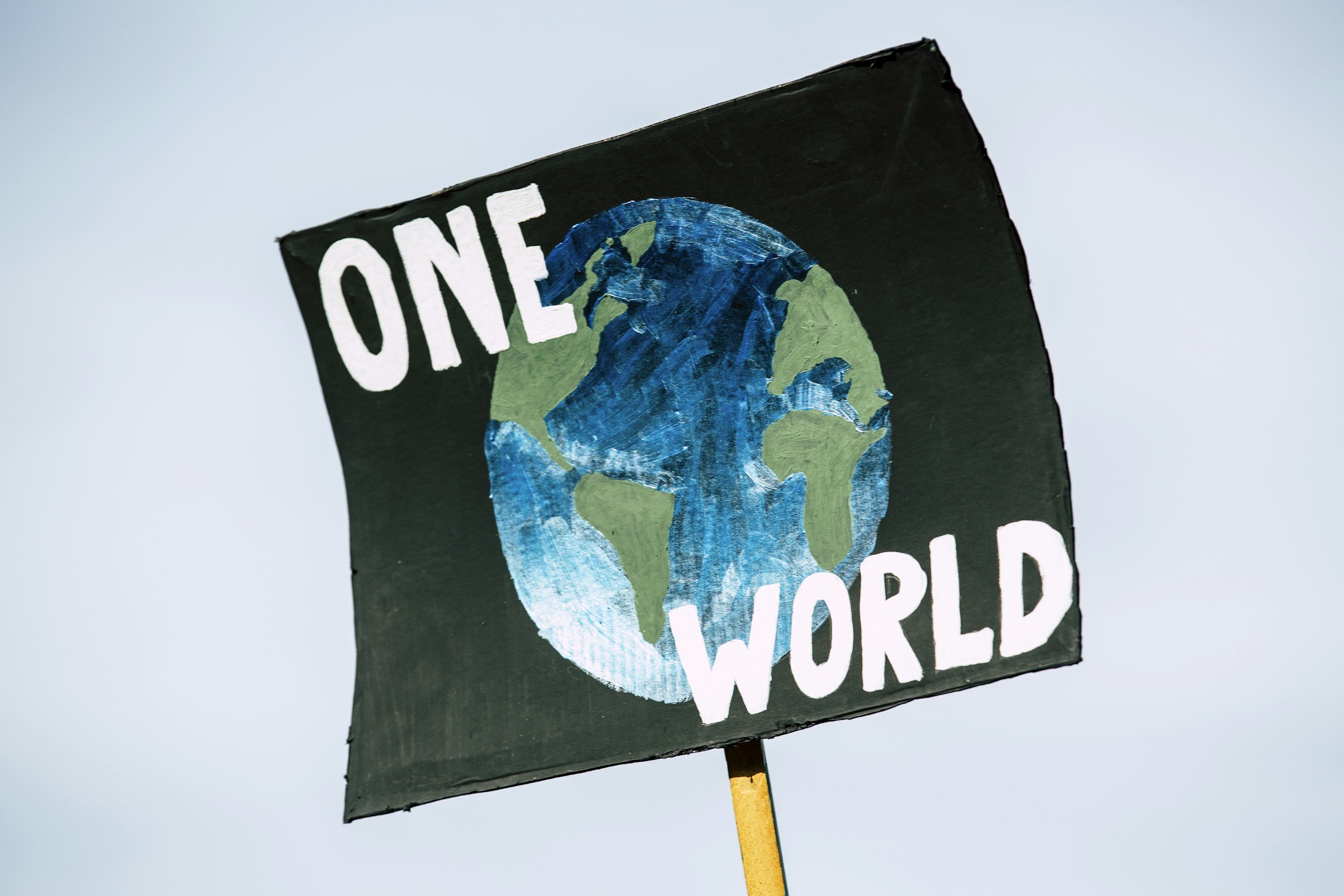
When we talk about the climate crisis, we often hear phrases like "we are all in the same boat" or "climate change doesn't care about borders". It sounds unifying, right? If everyone is at risk, then surely everyone will work together to fix it.
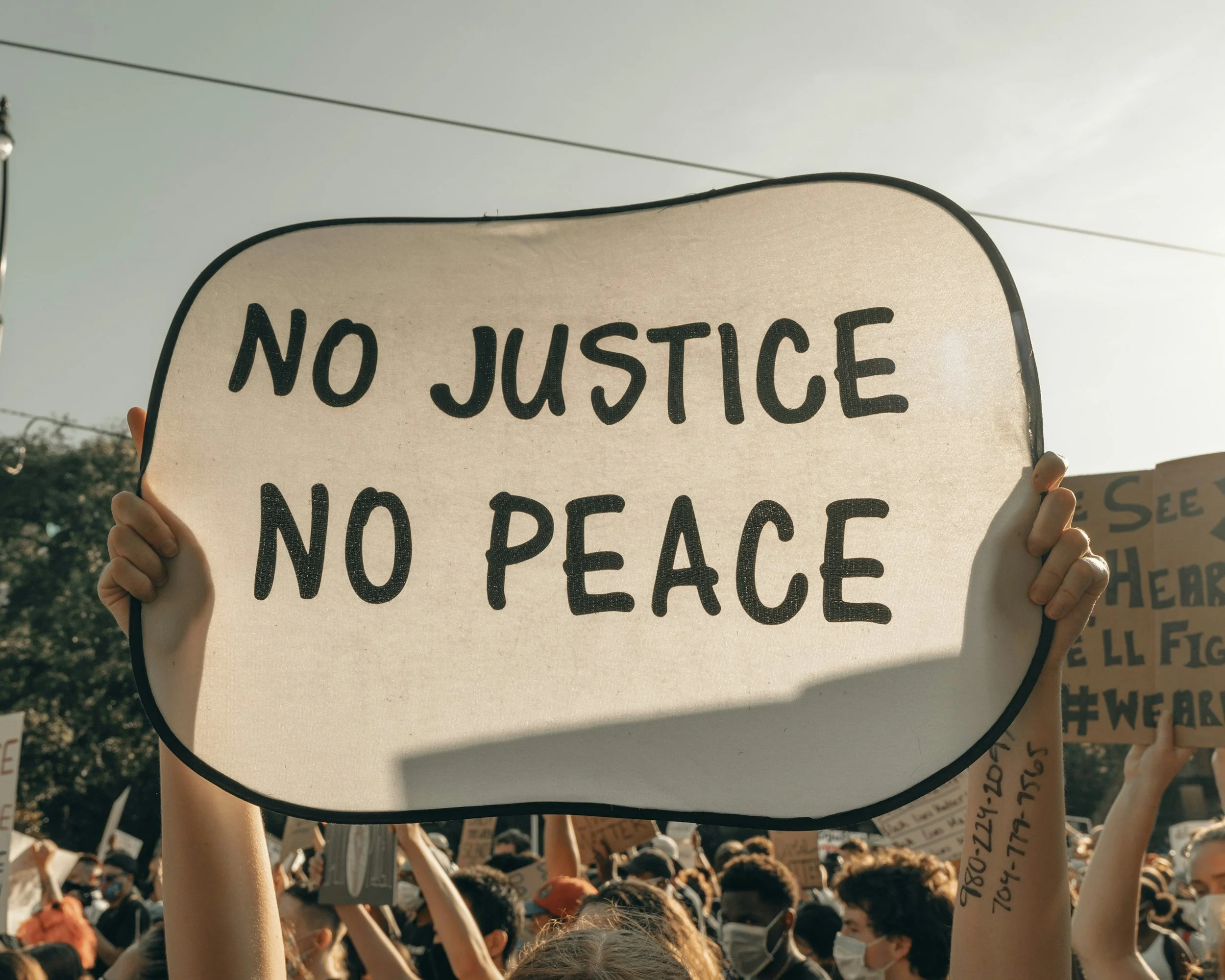
However, groundbreaking new research published in the Journal of Environmental Psychology suggests this "common fate" narrative might actually be backfiring. A team of psychologists led by Lea Hartwich found that while thinking about climate change as a matter of injustice gets people out into the streets, viewing it as a common fate can actually lead to inaction.
To understand what motivates people to take political action—like attending a protest or signing a petition—researchers conducted four studies involving 1,402 participants. They looked at a diverse range of people:
Climate activists and movement supporters in Germany.
Students in Malaysia (representing the Global South and younger generations).
The general public in the United Kingdom.
The "Common Fate" Narrative
This is the idea that the climate crisis is a "common enemy" that unites humanity through shared catastrophe. Organizations like the UN and the World Economic Forum often use this framing, with reports titled "We are all in this together". I’ve been part of numerous climate action marches/protests, but often wondered if this is actually creating change or just making everyone feel good.

The "Climate Injustice" Framework
This lens views climate change as a political issue with winners and losers. It highlights that those who contributed the least to the problem (like younger generations and people in the Global South) are often the ones suffering the most. Researchers broke this down into three levels:
Individual Injustice: Seeing it as unfair that some people fly private jets or wear fast fashion while others try to live sustainably.
Group-Based Injustice: Noticing the unfair split between generations (old vs. young) or geography (Global North vs. Global South).
Systemic Injustice: Blaming the underlying economic and political systems, like capitalism or colonialism, that encourage environmental destruction for profit.
The results were consistent across nearly every group studied.
Injustice is a Powerful Motivator: On every level—individual, group, and systemic—perceiving climate change as an injustice strongly predicted a person’s intention to take part in activism.
"Common Fate" Can Be Demobilizing: In three out of the four studies, the "we're all in this together" mindset actually had a negative relationship with activism. In other words, the more people felt everyone was in the same boat, the less likely they were to want to protest.
Systemic Blame is Widespread: Interestingly, even people who aren't activists agreed that the current system is "unjust". Systemic injustice was one of the strongest predictors of whether someone wanted to take action.
Why does "Common Fate" fail?
We have heard for years that collective action is the solution to climate change. I even wrote a guide for collective action as part of a project for the non-profit Rare. But it doesn’t work for the three reasons below:
Diffusion of Responsibility: If everyone is responsible and everyone is a victim, people might assume "someone else" (or the government) will eventually fix it because it’s in their interest to do so.
Depoliticization: Activism is naturally "antagonistic"—it requires someone to push against a specific power or system. If there is no "injustice" to fight, the issue becomes a technical or scientific problem rather than a political one.
False Optimism: In wealthier countries, the common fate narrative can make people too optimistic that elites will act, leading them to "hand over control" rather than participate in democracy.
Key Takeaways
If we want to see more people joining climate movements, we might need to change how we talk about the crisis.
Center Justice, Not Just Science: As a scientist we often think if we give people facts, they will change. This is simply not true and often people twist science and use it against you. It isn't enough to convince people that "humans cause climate change." We need to talk about which humans and which systems.
Highlight Conflicting Interests: For an issue to be political, people need to see that there are competing interests. Making the "fossil economy" and those who benefit from it visible helps people feel the righteous anger needed for action.
Move Beyond "Individual" Guilt: While individual actions matter, the study shows that blaming the system (like the rules of the economy) is a much more powerful way to get people to join a movement.