Why Good Intent Is Not Enough To Save The Planet

We all want to do our part for the planet. Whether it is choosing a bamboo toothbrush, opting for an eco-friendly mattress, or buying products with sustainable packaging, consumers are more aware of their environmental impact than ever before. But here is the million-dollar question: why do our green intentions so often fall apart when we actually reach the checkout counter?
For those of us working to separate green marketing myths from actionable environmental facts, understanding human behavior is essential. A 2026 systematic review by researchers Sharizal Hashim, Qin Lingda Tan, and Zhangwei Zheng set out to solve this exact puzzle. By analyzing 94 different peer-reviewed academic studies from around the world , they decoded what actually makes sustainability campaigns work.
Sustainability is a global effort, but research on how campaigns work is heavily concentrated in a few key areas.
China leads the pack with 28 of the 94 studies. Here, the focus is largely on how corporate social responsibility (CSR) and digital platforms encourage green habits.
The United States follows with 15 studies. American research frequently looks at the psychology of message framing—like using guilt versus awe in advertising—and how much consumers actually trust green labels.
South Korea (8 studies) and the United Kingdom (5 studies) also contribute significantly, often focusing on things like the fashion industry, food services, and animal welfare.
The "Intention-Behavior Gap": Why We Don't Always Buy Green
You have probably experienced this yourself. You fully intend to buy the ethically sourced, zero-waste product. You care about the environment. But when it comes time to actually hand over your credit card, you buy the cheaper, less sustainable option instead. Why does this happen? This is called the intention-behavior gap.
The research shows that our actions are a tug-of-war between our values and our practical realities. The studies analyzed revealed several massive drivers and roadblocks:
The Power of Environmental Concern
When researchers look at what makes people want to buy green, "environmental concern" is the number one factor, appearing as a key predictor in 35 different studies. People truly do feel a sense of moral obligation and environmental responsibility (highlighted in 28 studies) to protect the planet.
The Roadblock of Price Sensitivity
If concern is the gas pedal, price is the brake. Price sensitivity was cited in 32 studies as a major inhibitor to sustainable shopping. Consumers are constantly weighing the environmental benefits of a product against the immediate hit to their wallets. However, there is a silver lining: when brands clearly explain why a product costs more (for example, being transparent about the costs of upcycling materials), consumers are much more willing to pay the premium.

Navigating Social Norms
We are social creatures. Twenty-two studies proved that "social norms" play a huge role in our habits. If a consumer believes that their friends, family, and community value eco-friendly choices, they are far more likely to make those choices themselves.
The Threat of Greenwashing
If you spend time looking into environmental claims, you know that "greenwashing" is a massive problem. Greenwashing happens when a company uses marketing to appear more environmentally friendly than its practices actually are.
According to the systematic review, trust is the ultimate bridge between a consumer's intention and their actual behavior. Consumers are becoming incredibly savvy, and they are actively looking for the truth behind the marketing.
When consumers spot ambiguous claims or sense greenwashing, they activate their "persuasion-knowledge"—meaning their guard goes up, and their intention to buy plummets. The research shows that corporate goodwill or a friendly brand image is not enough to make up for a lack of credibility.
The studies suggest that companies must rely on authentic, highly specific communication. Generic claims like "eco-friendly" are losing their power. Specific, credible label cues perform much better. For example, sharing exact item-level carbon emissions helps consumers understand the real-world impact of their purchase.To beat skepticism, brands must use third-party certifications, verifiable eco-labels, and transparent supply-chain reporting.
The Digital Revolution: Apps, Gamification, and Social Proof
One of the most exciting trends highlighted in recent research (from 2021 to 2023) is the rise of digital tools to promote sustainability. We are no longer just relying on static billboards or packaging labels; we are entering the era of interactive green tech.
A prime example mentioned in the studies is "Ant Forest," a wildly popular mini-program on the Alipay app in China. It gamifies carbon reduction by rewarding users with "green energy" points for doing things like walking, using public transit, or paying bills online. Once a user collects enough digital points, a real, physical tree is planted on their behalf.
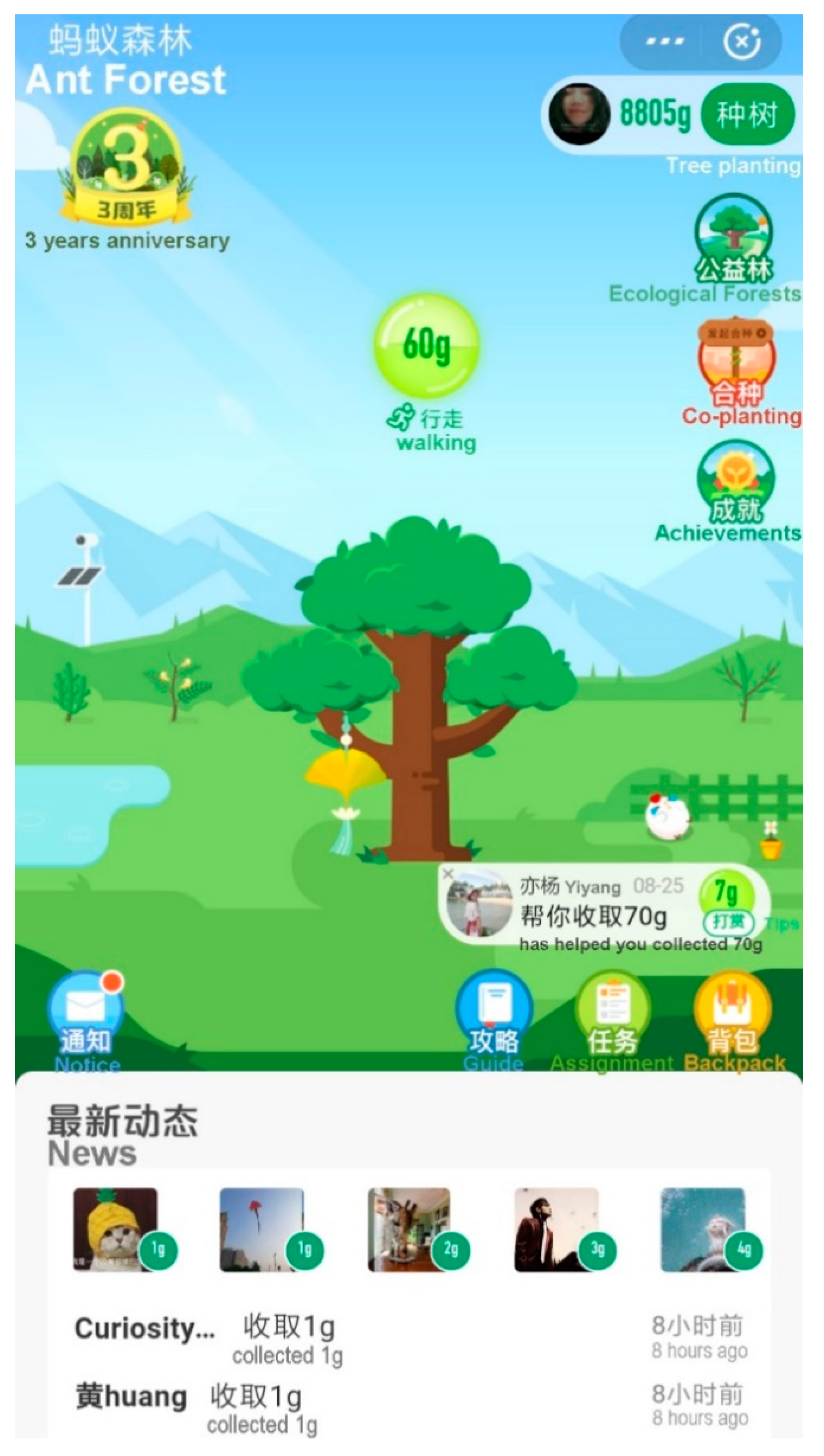
Why do programs like this work so well?
Continuous Engagement: They move beyond a one-time message. They use point-based systems, progress dashboards, and app notifications to keep users engaged every single day.
Visibility and Social Proof: Digital platforms allow users to see what their peers are doing. When sustainable actions are visible online, it creates a powerful peer endorsement effect that builds trust and normalizes green habits.
From One-Time Buy to Lifelong Habit
There is a glaring blind spot in current sustainability research: we focus too much on the initial purchase and not enough on what happens next.
The review found that variables like "green purchase intention" were studied a massive 40 times. However, post-purchase behaviors—like whether a consumer actually continues to use the product, becomes loyal to the brand, or advocates for the eco-friendly lifestyle—are heavily underexplored.
If we want to build a truly sustainable future, we need to shift our focus to the entire consumer journey. It is not just about convincing someone to buy a sustainable product once; it is about creating an identity-consistent habit.
The research indicates that long-term consumer loyalty requires "credibility fit" and "perceived authenticity" over time. If a brand proves it is consistently trustworthy and gives consumers ongoing positive feedback about their environmental impact, a one-time buyer can transform into a lifelong advocate.

If downlisting is so rare, why isn't it always universally celebrated? The primary role of the IUCN is to provide an objective assessment of extinction risk, meaning it must remain independent of public outcry. It strictly follows a "5-year rule," meaning a species cannot be downlisted until it has failed to meet the criteria for its higher threat category for at least five consecutive years.
Even with these careful rules, when a high-profile species is downlisted, it can severely disrupt well-established conservation programs. Moving to a lower risk category can trigger a domino effect of unintended consequences.
The Threat of Lost Funding
A major fear among conservationists is that downlisting will cause a sudden drop in financial support. Many major grants and conservation funds explicitly prioritize species in the Critically Endangered or Endangered categories. For instance, programs like the Conservation Leadership Programme and the Mohamed bin Zayed Species Conservation Fund specifically target highly threatened taxa.
There is a genuine fear that downlisted species will face drastic funding cuts, even though they still require active management to survive. If conservation efforts are withdrawn too quickly, a conservation-dependent species could experience a catastrophic population collapse.
Weakened Legal Protections
Many national governments use the IUCN Red List to inform their own local wildlife protection laws. If a species is downlisted internationally, local governments might follow suit, leaving prosecutors and park rangers with a weaker legal foundation to protect the animal from poachers or developers. A relaxation of these laws could cause threats to escalate rapidly.
Losing the "Umbrella" Effect
Charismatic animals are often considered "umbrella species". Because they require large, healthy habitats, protecting them naturally protects all the other, less famous plants and animals living in the same ecosystem. Endangered species frequently serve as the focal point for blocking destructive infrastructure projects. If the star species of an ecosystem is downlisted, it may no longer trigger the same strict environmental scrutiny during urban or industrial development. This makes it harder to justify new protected areas or maintain existing ones.
Case Studies: The Good, the Bad, and the Complicated
To understand how this plays out in the real world, the researchers analyzed four charismatic "flagship" species in Asia. Each of these animals faced steep population declines but are now showing signs of recovery thanks to intense human intervention.
The Giant Panda The giant panda is one of the most famous conservation successes in history. Following immense efforts in habitat protection, forest restoration, and anti-poaching enforcement, the panda was downlisted from Endangered to Vulnerable in 2016. However, critics were highly vocal, arguing that the downlisting could reduce necessary funding and undermine the ongoing support the species desperately needs.
The Red-Crowned Crane In 2021, the red-crowned crane was downlisted from Endangered to Vulnerable. This sparked immediate controversy. The overall population decline had slowed, largely because of a growing, non-migratory population in Japan. But the Japanese population relies heavily on human intervention, like supplementary feeding. Meanwhile, the Chinese population of cranes had plummeted by over 90% in recent decades. Critics worried that the downlisting created a false and misleading impression that the species as a whole was safe.
The Black-Faced Spoonbill This migratory bird was listed as Critically Endangered in 1994, downlisted to Endangered in 2000, and is currently being proposed for a further downgrade to Least Concern. While its population has steadily increased due to massive international efforts, the proposal has sparked intense debate. Critics point out that the bird's threatened status was the only reason key breeding grounds were protected from military activities and development. Furthermore, the birds are now highly concentrated in limited habitats, making them incredibly vulnerable to avian influenza and green energy infrastructure developments like wind farms. Assigning them a "Least Concern" status could drastically underestimate these looming threats.
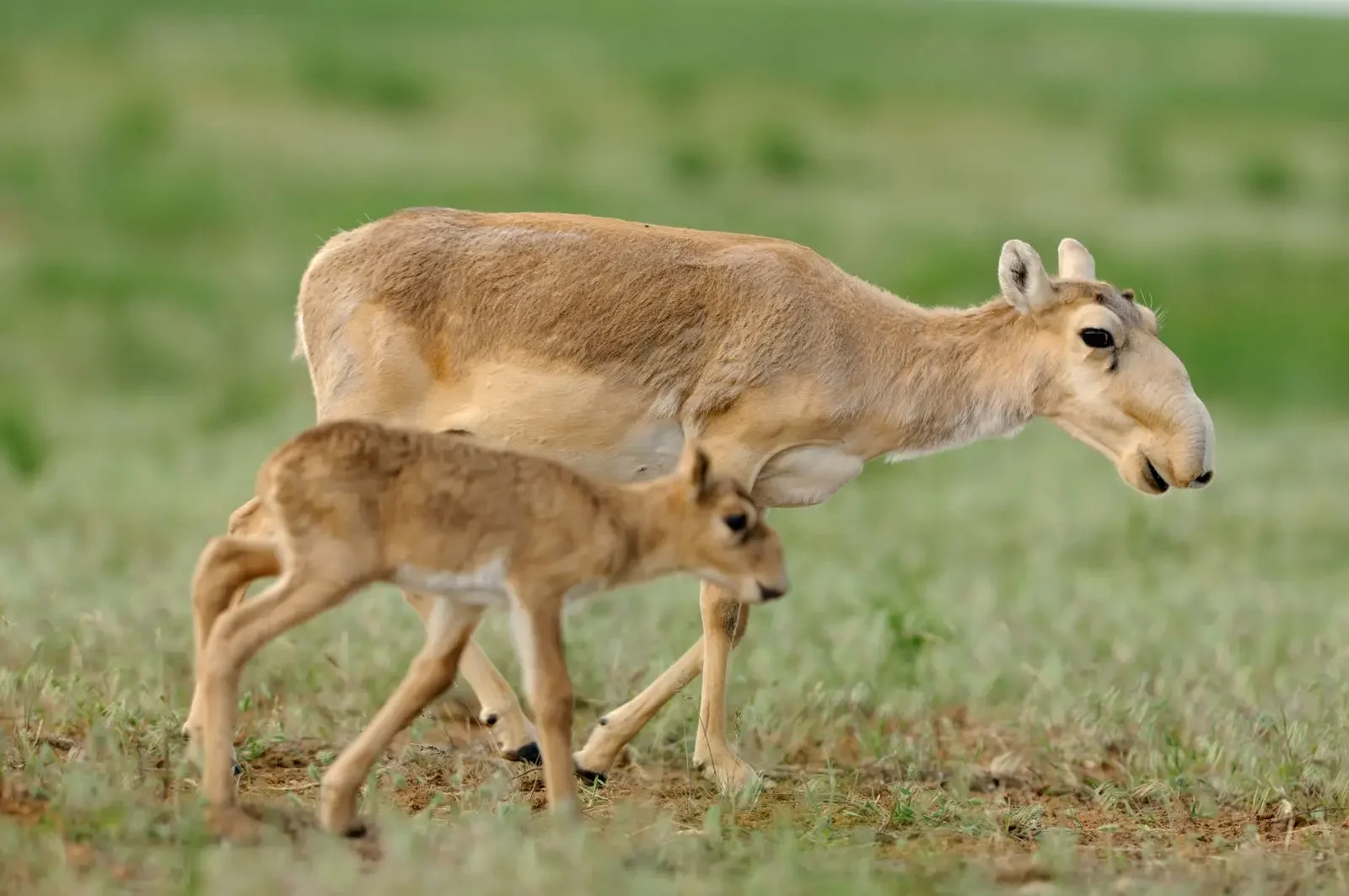
The Saiga Antelope (A Success Story) Not all downlistings end in fiery debate. The saiga antelope was once on the brink of extinction due to disease, habitat loss, and intense poaching. Thanks to massive conservation interventions led by the Kazakh government, the population rebounded rapidly. In 2023, it was downlisted from Critically Endangered directly to Near Threatened. Unlike the other cases, this transition was smooth and widely accepted. Why? Assessors engaged local experts, donors, and stakeholders early in the process. By keeping everyone in the loop, the conservation community built consensus and ensured the downlisting was effectively communicated as a success, rather than a reason to abandon the species.
Smarter Metrics and Sustainable Support
How do we celebrate species recovery without accidentally pulling the rug out from under them? The researchers highlight a few critical solutions.
First, the conservation community needs to pivot toward sustainable, long-term funding models. Donors and governments must prioritize ecosystem resilience and habitat restoration over short-term population gains. If we rely strictly on expensive, intensive human interventions—like captive breeding—without fixing the animal's natural habitat, the population will collapse the moment the funding stops.
Second, we need to utilize new tools to measure success. While the IUCN Red List measures extinction risk, it does not explicitly indicate how dependent a species is on ongoing human help. To fix this blind spot, the IUCN developed the Green Status of Species (GSS).
Unlike the Red List, the GSS evaluates the actual progress of a species' recovery. It assigns a "species recovery score" from 0% to 100%. This allows scientists to differentiate between an animal that is fully ecologically restored and an animal that has healthy numbers but remains highly dependent on conservationists.
For example, the black-faced spoonbill may have improving numbers, but its GSS assessment gave it a recovery score of only 35%. The GSS classified the bird as "largely depleted" with high "conservation dependence". By integrating the Red List with the Green Status, decision-makers get a much clearer picture. It proves that even if an animal's immediate extinction risk goes down, its need for long-term conservation is absolutely not forgotten
Wildlife conservation is an uphill battle, and we desperately need to celebrate our victories. Downlisting should absolutely be recognized as a monumental achievement. However, as the authors of the study point out, downlisting reflects the process of stabilization, not the finish line.
By fostering open communication, preparing stakeholders for category changes, and using comprehensive tools like the Green Status of Species, we can ensure that our biggest conservation successes don't accidentally become our biggest liabilities.