More Than Half Of Guests Agree - Hotels Should Be Looking To Nature For Their Designs
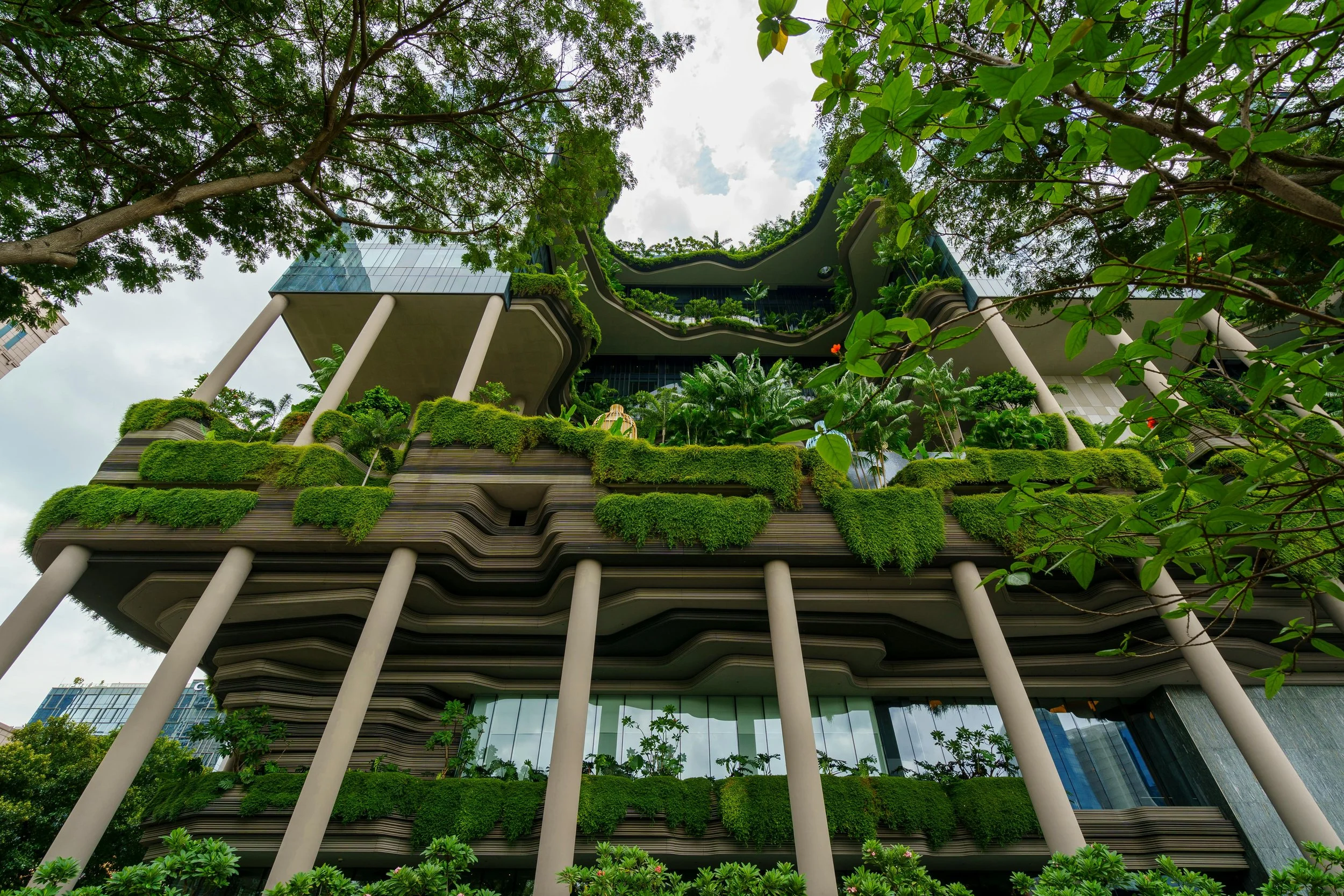
Have you ever walked into a hotel lobby and immediately felt your shoulders drop and your stress melt away? Maybe sunlight was streaming through massive glass windows, the sound of a small waterfall echoed in the background, and lush green plants cascaded from the walls.
You weren't just experiencing good interior decorating; you were experiencing a science-backed architectural movement called biophilic design. This is just one of the many actions hotels are taking to be more green in 2026.
As our cities grow larger and more crowded, the concrete jungles we live and travel in can leave us feeling drained. For decades, the hospitality industry has focused on simply providing a place to sleep. But a groundbreaking shift is happening. According to recent research published in the Asian Journal of Environment & Ecology, hotels are moving beyond just being "sustainable" and are now striving to become "regenerative".
“73.9% of guests view visible biophilic features—like a living plant wall or natural stonework—as a direct signal that the hotel is highly committed to protecting the environment. ”
Sustainable vs. Regenerative Hospitality
To understand the future of travel, we first need to understand the difference between two important concepts: sustainability and regeneration. We already know that sustainable hotels can help change guest’s behavior.
For a long time, the ultimate goal for eco-friendly businesses was sustainability. Traditional sustainability is all about harm reduction. It focuses on efficiency and achieving a "net-zero" impact. A sustainable hotel might ask: How can we use less water? How can we reduce our electricity consumption? How can we minimize our carbon footprint?. While these are great questions, sustainability ultimately just maintains the status quo; it tries to prevent things from getting worse.
Regenerative hospitality, on the other hand, asks an entirely different question: How can we leave this place better than we found it?.
A regenerative business model doesn't just want to do "less harm"; it wants to create "net-positive" outcomes. This means actively restoring local ecosystems, enhancing biodiversity, and improving the physical and emotional well-being of the surrounding community and the guests who visit. Instead of just using less energy, a regenerative hotel acts like a living entity.
By incorporating green roofs, living plant walls, and nature-based solutions, these buildings actually help cool down hot cities (mitigating the "urban heat island effect"), clean the local air, and provide habitats for urban wildlife.
What is Biophilic Design?
The primary tool hotels use to achieve these regenerative goals is biophilic design.
The word biophilia translates to "love of life" or "love of living systems". The Biophilia Hypothesis suggests that because humans spent 99% of our evolutionary history living in natural environments, we have a hardwired, biological need to connect with nature. When we are cut off from the natural world—stuck in windowless rooms under artificial fluorescent lights—our stress levels rise.
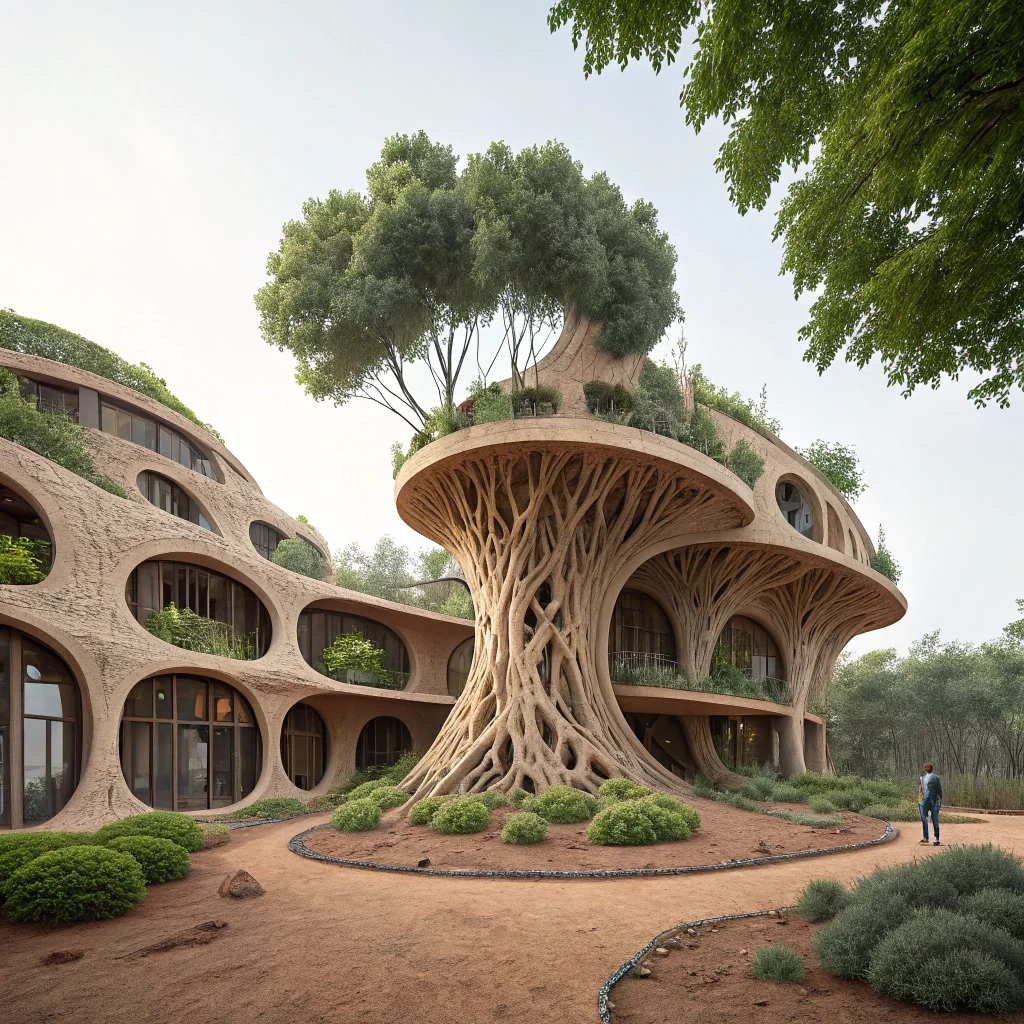
Biophilic design takes this evolutionary need and builds it directly into the architecture. It brings the outside world inside. Key features of biophilic design include:
Natural Lighting: Maximizing sunlight through massive windows and skylights rather than relying on artificial bulbs.
Indoor Greenery: Utilizing living walls, potted plants, and indoor gardens. The Embassy Suites in Texas partnered with local ecologists to restore a native Texas prairie right on their grounds.
Water Elements: Incorporating the sight and sound of water through indoor waterfalls, streams, or fountains.
Natural Materials: Building with organic textures like exposed wood, natural stone, and bamboo rather than synthetic plastics and sterile metals. Some hotels are even built to suck carbon from the air.
Natural Views: Ensuring hotel room windows frame the outdoors, allowing guests to visually connect with green spaces or the sky.
The Science of Feeling Good
You might be wondering, does looking at a plant really make that much of a difference? The science says yes.
Researchers use something called the Salutogenic Model to explain this. While traditional medicine often focuses on what makes us sick (pathogenesis), salutogenesis focuses on what creates and supports human health and well-being.
When urban hotels use biophilic design, they transform from simple lodging into "restorative environments". Studies show that engaging with natural elements physically lowers heart rates, reduces blood pressure, and decreases the production of stress hormones. In this framework, the building itself becomes a catalyst for human healing. The hotel isn't just a place to drop your suitcase; it is an active participant in improving your mental and emotional health.
What Do Guests Actually Want?

To figure out if biophilic design actually works in the real world, researchers surveyed travelers to see how they reacted to nature-inspired hotel environments. The results were overwhelmingly positive, proving that humans truly crave a connection to the natural world when they travel.
The Power of Sunlight: A massive 52.3% of guests strongly agreed that natural light in a hotel greatly enhanced their ability to relax. When factoring in those who agreed, the vast majority found sunlight critical to their satisfaction.
The Comfort of Earthy Materials:56.9% of respondents gave the highest possible rating to natural materials like wood and stone, noting that these textures significantly contributed to their overall feeling of well-being.
The Calming Effect of Water: Over half (50.8%) of the guests strongly agreed that the inclusion of water features, like small waterfalls or fountains, helped them feel more relaxed.
Views That Revitalize: When it comes to looking out the window, 53.8% of travelers strongly agreed that having a natural view made their stay far more enjoyable and refreshing.
Nature Boosts Energy: Nearly three-quarters of respondents felt that the presence of natural elements made them feel more energized and less stressed during their stay (50.8% strongly agreed, and 21.5% agreed).
Perhaps the most fascinating takeaway from the study is how biophilic design impacts a hotel's reputation. 73.9% of guests view visible biophilic features—like a living plant wall or natural stonework—as a direct signal that the hotel is highly committed to protecting the environment.
In other words, guests don't just feel better physically; they feel better morally about where they are spending their money, seeing the hotel as a champion of eco-friendly practices.