How Much Are We Really Willing to Pay for a Sustainable Phone?
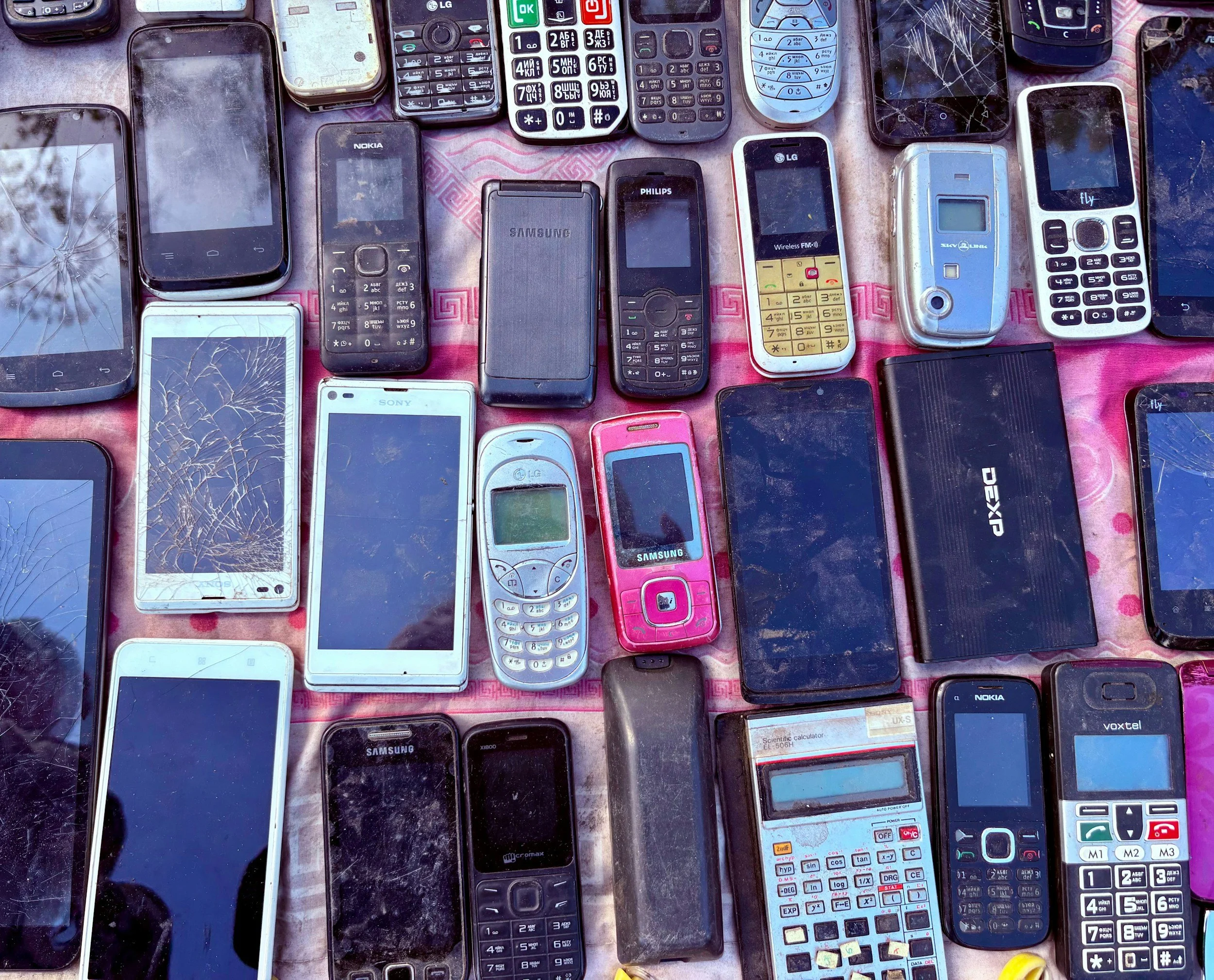
We live in a world glued to our screens. Whether it’s scrolling through TikTok, answering work emails, or navigating to a new restaurant, our smartphones are extensions of our hands. But there is a hidden cost to this convenience. Behind the sleek glass and polished aluminum lies a complex web of environmental impacts, from carbon emissions during manufacturing to the mounting crisis of electronic waste.
I found this out when dealing with an Apple iPhone. Unfortunately because of Apple’s policies around locking their phones, many phones end up as bricks and become e-waste. Apple’s desire to make a quick buck has contributed to tons of toxic waste.
In 2022, the world generated 62 million tonnes of e-waste, averaging 7.8 kg per person, according to the Global E-waste Monitor 2024. This is an 82% surge from 34 million tonnes in 2010. By 2030, e-waste is expected to reach 82 million tonnes, a 32% increase, outpacing recycling efforts.
A fascinating new study published in Business Strategy and the Environment titled "Consumers' Willingness to Pay for Sustainable Mobile Phones" cuts through this confusion. Researchers Jens Bergener, Kathleen Jacobs, Marek Veneny, and Maike Gossen set out to answer a burning question: If we gave consumers a clear, traffic-light style "Eco-Score" for phones, would they buy differently? And more importantly, would they pay more?
The results are in, and they suggest a massive shift is possible—if the label is right.
The Problem: Information Overload
Before diving into the results, we have to understand the problem. The researchers point out that while consumers are increasingly worried about the environment, they struggle to make informed choices. Current eco-labels are often confusing, vague, or focus on just one tiny aspect of the phone, like packaging.
Imagine trying to compare two phones: Phone A says it has "ocean-bound plastic parts," and Phone B says it is "energy efficient." Which is better for the planet? It is impossible to know.
Building the Dream Phone
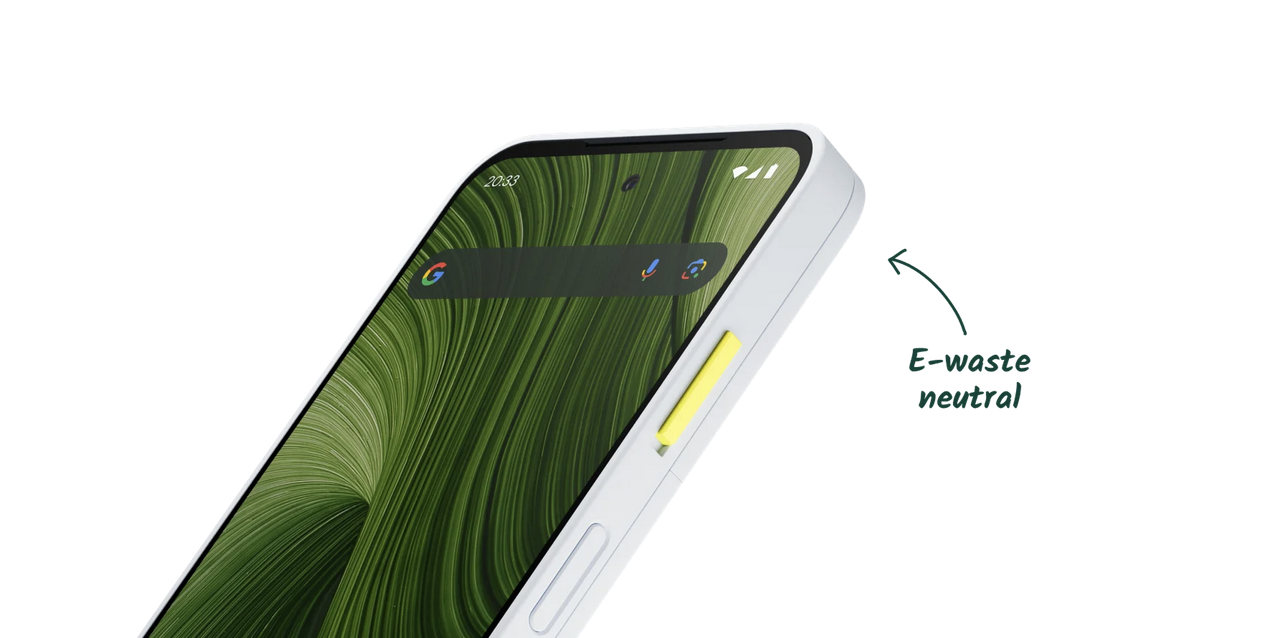
Fairphone aims to be e-waste neutral
To test if a label works, the researchers didn't just ask people, "Do you like nature?" (because everyone says yes). They used a sophisticated method called Adaptive Choice-Based Conjoint Analysis (ACBC).
They recruited 534 German consumers who were planning to buy a phone soon. These participants were put through a digital simulation where they had to "build" their preferred phone and then choose between different options in a virtual store.
They had to trade off between real-world features:
Price: ranging from €99 to €9996.
Brand: Samsung, Apple, Fairphone, Xiaomi, etc.7.
Performance: Camera quality, processor speed8.
Sustainability: The hypothetical Eco-Score (A-E), plus other tags like "fair production" or "CO2 compensation"9.
We Prefer Green (If We Can See It)
The first major takeaway is that the Eco-Score works. When consumers saw a phone with a high Eco-Score (A or B), they were significantly more likely to choose it over an identical phone with a lower score.
The researchers found that improving a phone's Eco-Score leads to a stronger increase in consumer preference than almost any other product upgrade, aside from a massive price drop or switching to a top-tier brand.
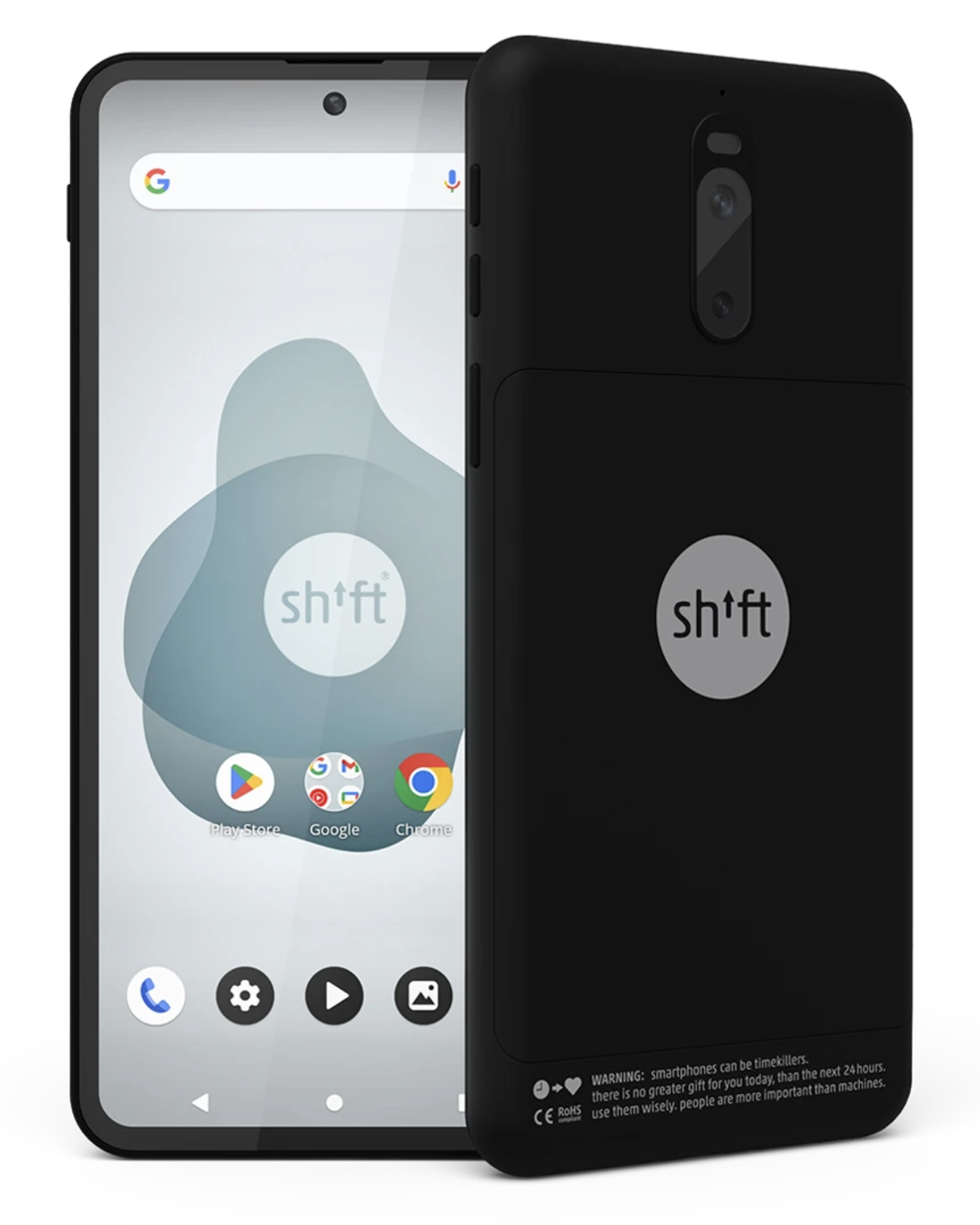
Shift Phone
The "Green Premium"
Here is where the numbers get truly surprising. The study calculated exactly how much extra cash the "average" German consumer would be willing to fork over for a better Eco-Score.
Even in a highly competitive market simulation (where 47 different phones were fighting for attention), the premium remained high. Consumers were willing to pay about €177 more for a top-tier "A" rated phone compared to an "E" rated one.
This busts the myth that sustainability is just a "nice to have." For a significant chunk of the market, it is a valuable feature worth real money.
The takeaway for companies? Don't bother aiming for the middle. If you want to win customers with sustainability, you have to go for the gold (or the green, in this case).
The study also ran a simulation of the actual German smartphone market, pitting giants like Samsung and Apple against sustainable pioneers like Fairphone and Shiftphone.
In the "base scenario" (where Eco-Scores were hidden or all the same), giants like Samsung and Apple dominated, while sustainable brands held tiny niches.
Simultaneously, the market leaders lost ground. Apple and Samsung saw their shares dip as consumers defected to the greener options.
This proves that clear labeling levels the playing field. When consumers can see that a smaller brand is offering a superior environmental product, they are willing to switch loyalty.
This study shows that the "Eco-Score" is not just a regulatory hurdle; it is a powerful marketing tool.
For Consumers: It validates that we do care. We are willing to put our money where our mouth is, provided the information is simple and trustworthy.
For Manufacturers: It offers a financial incentive. Investing in greener supply chains isn't just charity; it increases the product's value. A phone with an "A" rating can command a significantly higher price than one with a "C" rating.
For Policymakers: It proves that mandatory, standardized labeling works. The EU is already rolling out new eco-design requirements, and this study suggests consumers are ready for it.