Swiping Right on Sustainability - Are Travel Apps Actually Helping the Planet?

Imagine you’re planning the ultimate post-graduation trip. You want to see the world, experience new cultures, go to your favorite spa or hot springs, and take amazing photos. But if you’re like a lot of people today, you probably also care about the planet. You don’t want your dream vacation to contribute to pollution, damage local communities, or make climate change worse.
We all want to be responsible travelers, but how do we actually do it?
A fascinating study titled "Digital Innovations for Sustainable Tourism Management" dives deep into this exact question. Researchers Ivana Ercegovac, Mirjana Tankosić, and Nataša Simeunović Bajić investigated whether the travel apps we use every day—like TripAdvisor, Airbnb, and Booking.com—are actually helping us make eco-friendly and culturally responsible choices.
“Travel platforms do more than help users find accommodation. Through what they highlight, filter, and recommend, they also shape what travelers notice and ultimately consider important”
The Dark Side of Your Dream Vacation
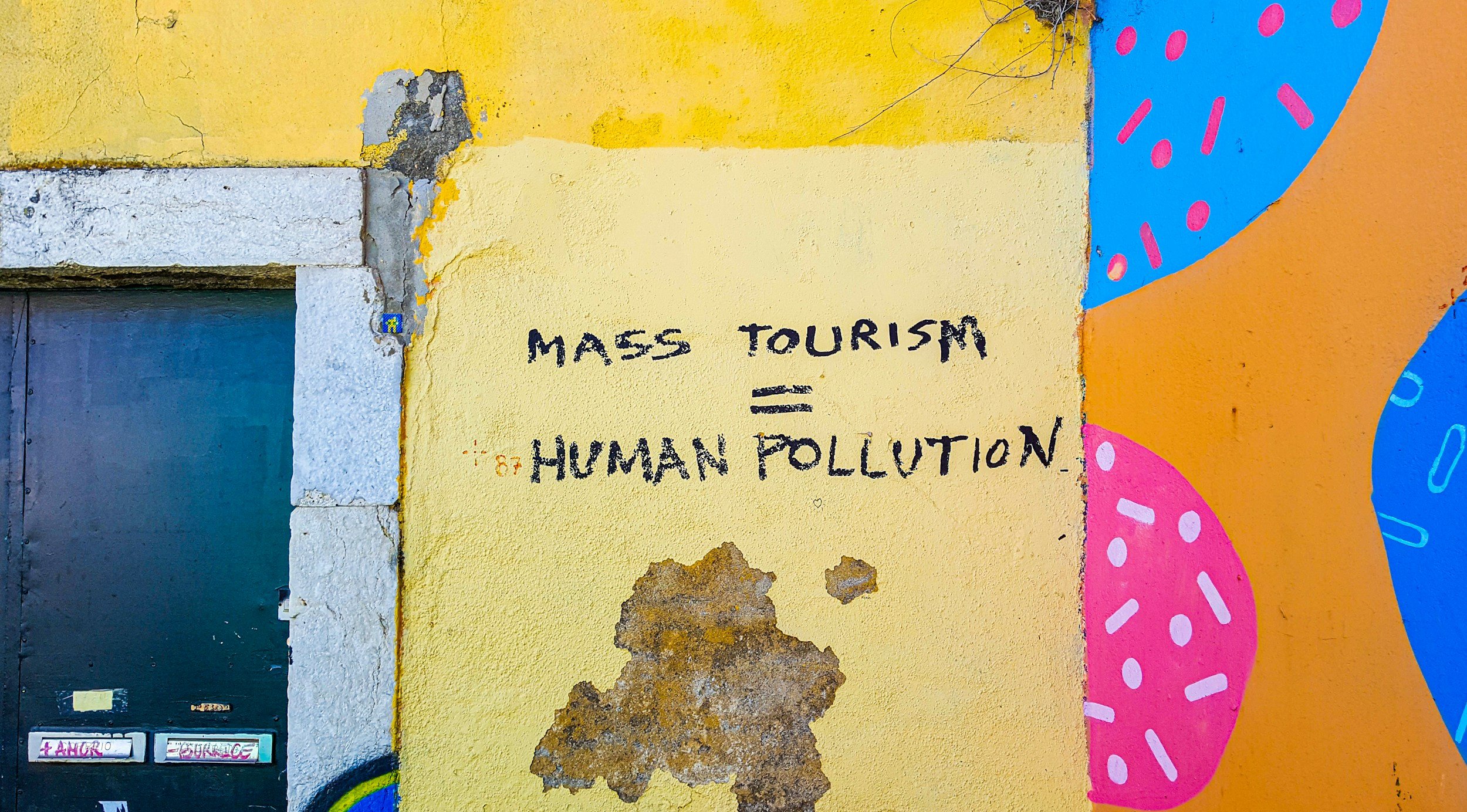
Before we talk about apps, we need to understand the problem. The travel industry is massive. In fact, the United Nations World Tourism Organization (UNWTO) highlights that tourism has the power to contribute to all 17 of the world's Sustainable Development Goals, especially things like economic growth and protecting natural ecosystems.
But there’s a catch. The rapid explosion of tourism has led to some serious negative side effects.
Environmental Pollution: More people means more trash, more energy use, and a massive depletion of natural resources.
Overtourism: This happens when way too many visitors flood a single destination, destroying the environment and making life miserable for the locals who actually live there.
Cultural Erosion: Sometimes, local cultures are turned into cheap commodities just to sell souvenirs to tourists.
This is where sustainable tourism comes in. The goal is simple: minimize the bad impacts of travel while boosting the well-being of local communities and protecting nature for the future. It is absolutely essential if we want to reduce greenhouse gas emissions and protect vulnerable destinations from climate change.
So, how do we fix this? The answer might be sitting in your pocket. Digital innovations are transforming how we travel, balancing economic growth with environmental and cultural protection.
Here are a few ways technology is trying to make travel greener:
Smart Tech & AI: Artificial Intelligence (AI) and the Internet of Things (IoT) are being used to create smart tourism ecosystems that waste fewer resources. For example, AI can suggest personalized, eco-friendly travel options to tourists.
Blockchain: This technology helps keep the tourism supply chain transparent, which builds trust and supports ethical business practices.
Beating Overtourism: Digital platforms and social media campaigns are actively promoting hidden gems and lesser-known destinations. This spreads out the tourist traffic so the famous spots don't get crushed.
Gamification: Some apps use game-like features—such as rewards and challenges—to guide tourists toward sustainable activities.
Putting Travel Apps to the Test
To see if travel apps are actually helping or just blowing smoke, the researchers put three heavyweights under the microscope: TripAdvisor, Airbnb, and Booking.com.
They analyzed 150 user reviews, checked out 30 different property descriptions, and clicked through the app interfaces to see how easy it was to travel sustainably.
TripAdvisor: The Hidden Badge

TripAdvisor relies heavily on user-generated content, like photos and reviews, which is great for helping tourists understand the local culture, food, and traditions.
When it comes to the environment, TripAdvisor has a program called "GreenLeaders" that gives special badges to eco-friendly hotels. Sounds awesome, right?
There is just one massive problem: you can't actually use the app's filters to search for it. Because the badge is virtually invisible during the search process, users rarely mention it in their reviews. If you can't find the eco-friendly options easily, the feature becomes pretty useless for travelers trying to make green choices.
Airbnb: The Culture Kings
Airbnb doesn't have a formal eco-certification program or a standardized way to filter for environmentally friendly stays. You might randomly see a host mention that they use solar panels or collect rainwater, but you can't specifically search for that.
However, Airbnb scores major points for cultural sustainability. Through their "Experiences" feature, Airbnb connects you directly with local hosts for things like traditional cooking classes or historical tours. This helps travelers dive deep into authentic, community-driven experiences, which is a huge part of traveling responsibly.
Booking.com: The Disappearing Act
Booking.com has a bit of a dramatic history with sustainability. They used to have a very prominent "Travel Sustainable" badge for properties that reduced waste and saved energy.
But in March 2024, they abruptly canceled the program. Why? The Netherlands Authority for Consumers and Markets warned that the badge was "potentially misleading".
To avoid greenwashing, Booking.com now only displays third-party sustainability certifications. While this means the eco-labels are verified by outside experts, there is no longer a unified system on the app, making it incredibly annoying and difficult for users to actually find these green hotels.
To rank these platforms, the researchers created the Index of Digital Tourism Sustainability (IODT). This index grades the apps on four things: how visible their sustainable options are, how much they promote local culture, their use of official eco-certifications, and whether users actually talk about sustainability in their reviews.
Out of a maximum of 11 points, here is how the apps scored:
Airbnb: Strongest overall. They dominate in local engagement and user content regarding cultural experiences, even without official eco-labels.
TripAdvisor: Middle of the pack. They have some sustainability features, but the options are hidden and have very limited visibility.
Booking.com: Lowest score. They have verified third-party certifications, but minimal focus on local engagement and very poor visibility for sustainable options.
The "Say vs. Do" Gap
Here is the wildest part of the whole study. People say they care about the environment, but they aren't acting like it online.
Back in 2019, data from Booking.com showed that a massive 73% of travelers wanted to stay in eco-friendly places. Consumers expect hotels to adopt green practices.
But when the researchers read through the 150 app reviews for this study, almost nobody mentioned sustainability or eco-friendly features. People reviewed the comfy beds, the cool views, and the nice hosts, but the environment was totally left out.
Why is there such a massive gap between what we want and what we do?.
The researchers conclude that it's the apps' fault. Travel apps are simply not promoting these features well enough. When platforms hide their eco-badges or fail to offer easy search filters, users forget about sustainability altogether during the booking process. When sustainability features aren't visible, travelers are way less likely to engage with them or care about them.
What Needs to Change?
We can't just rely on travelers to spend hours hunting for eco-friendly hotels. If we want to save the planet and protect local cultures, the tech giants need to step up.
The study highlights that app developers and destination managers need to make some major updates:
Bring Back the Filters: Apps need obvious, easy-to-use search filters so you can instantly find green accommodations with one tap.
Highlight the Badges: Eco-certifications shouldn't be buried in the fine print; they need to be front and center.
Educate the User: Apps need to proactively teach users why these sustainable choices matter while they are browsing.