Leading With Purpose? A Dive Into Walmart’s 2025 Sustainability Report
In a world where the role of giant corporations is constantly under the microscope, Walmart’s latest Environmental, Social, and Governance (ESG) report—titled "Delivering Shared Value"—offers a comprehensive look at how one of the world’s largest retailers is attempting to balance profit with purpose. For an organization that serves roughly 270 million customers every week and employs approximately 2.1 million associates globally, the stakes of these initiatives are incredibly high.
At the heart of the report is the concept of "Shared Value." As CEO Doug McMillon explains, Walmart aims to be an "and" company: focusing on people and technology, growth and sustainability. The idea is that by making decisions that are good for the business, Walmart can simultaneously create positive outcomes for customers, associates, suppliers, and the planet.
Investing in People and Partners
Walmart’s approach to "Opportunity" focuses on two main groups: the millions of people who work for the company and the thousands of businesses that supply its products.
One of the most striking statistics in the report is that 75% of Walmart’s U.S. salaried management team started their careers in hourly positions. This highlights a "skills-based" approach to hiring and promotion, where real-world experience is valued as much as a degree.
The average hourly frontline wage in the U.S. is now over $18/hour, representing a 28% increase over the last five years.
Through the "Live Better U" program, Walmart provides associates with access to thousands of short-form courses, trade certifications, and degrees at no cost to the employee.
More than 860,000 associates now have retirement savings through Walmart’s 401(k) plans.
Boosting Local Economies
Walmart isn't just a global giant; it’s a massive engine for local economies. Since 2021, the company has sourced an incremental $176 billion in goods that are made, grown, or assembled in the U.S..
Small Businesses: In FY2025, Walmart spent $65 billion with certified and verified U.S. small businesses.
Open Call: At the annual U.S. Open Call event, more than 100 small and medium-sized businesses secured deals to sell their products at Walmart or Sam’s Club.
Aiming for Regeneration
Walmart’s sustainability goals are ambitious, aiming for "zero emissions" across global operations by 2040. While the report admits that progress isn't always a straight line—expecting to miss a 2025 interim emissions target—the overall trend is toward a smaller environmental footprint.
Climate and Energy
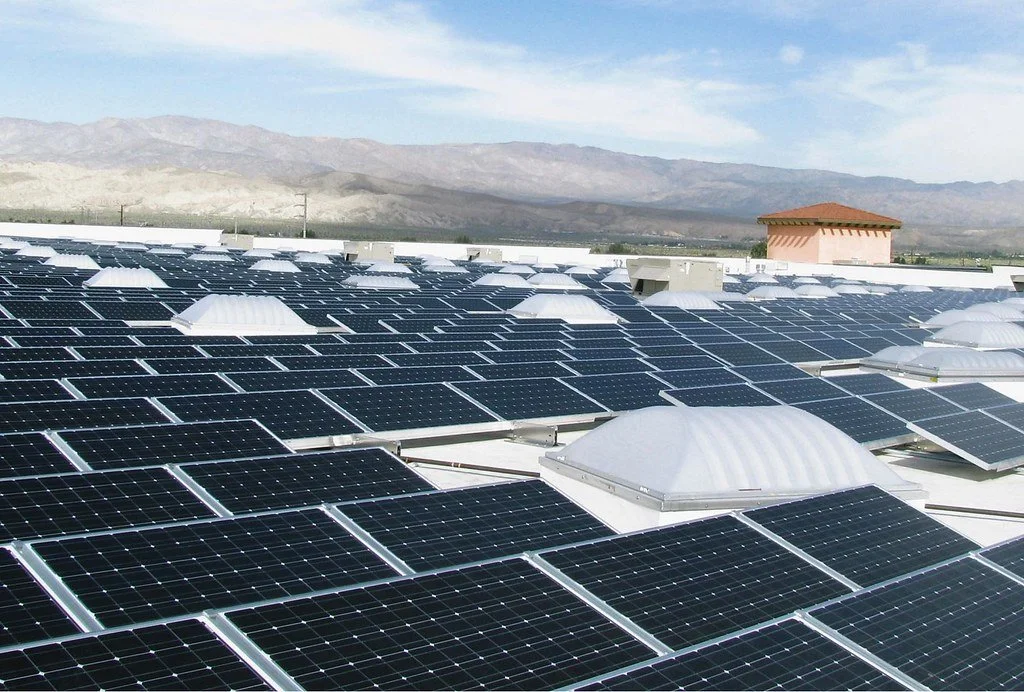
Nearly 50% (48.5%) of Walmart’s global electricity needs are now met by renewable sources like wind and solar. This means that Scope 1 and 2 emissions (those directly from Walmart’s own operations and energy use) are 18.1% lower than they were in 2015. As we have discussed before, Scope 3 emissions are a bit more tenuous - a common problem when. you work with many suppliers.
But they are cutting Scope 3 down with Project Gigaton. One gigaton is the equivalent of the emissions from 215 million gasoline-powered vehicles driven for one year, according to the Environmental Protection Agency’s greenhouse gas equivalency calculator.
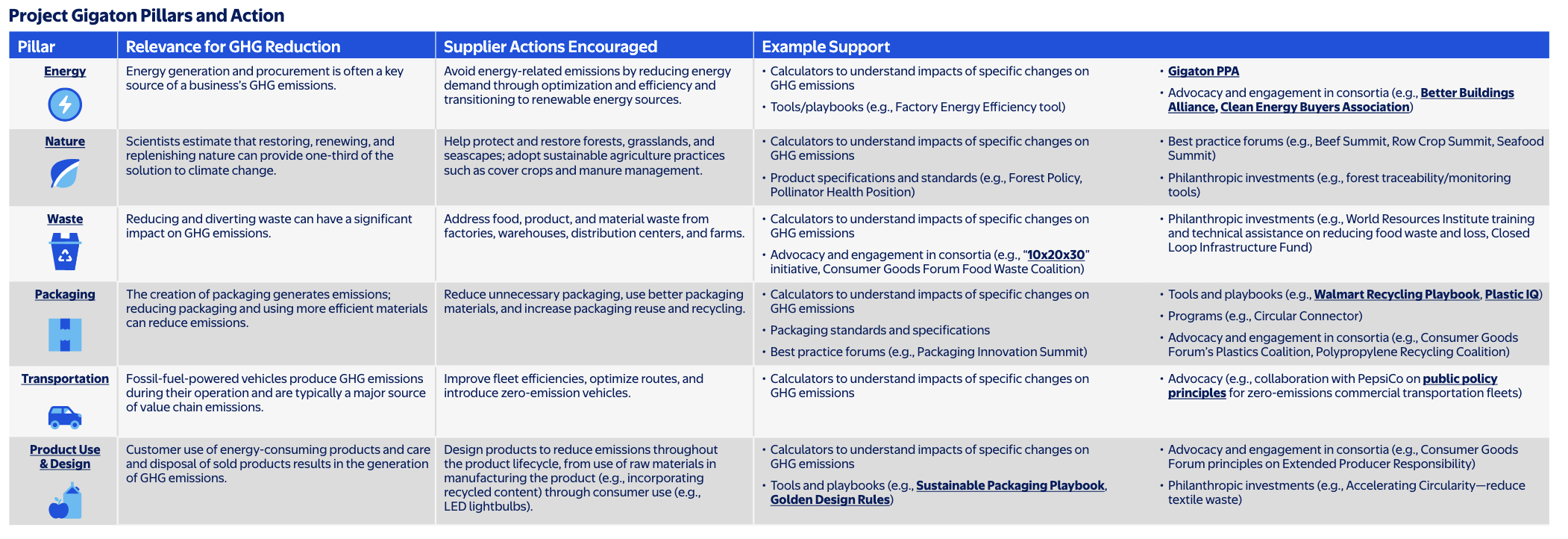
This massive initiative involves working with suppliers to reduce emissions in the broader supply chain. Since 2017, suppliers have reported avoiding, reducing, or sequestering 1.19 billion metric tons of CO2e. To put that in perspective, 3,740 suppliers are now reporting data for this project.
Project Gigaton™ is the Scope 3 component of Walmart’s science-based emission reduction target, which was announced in November 2016. As part of this science-based target, Walmart has also set a goal to reduce Scope 1 and 2 absolute emissions in our own operations by 35% by 2025 and 65% by 2040 (compared to 2015 levels).
Nature Protection

Walmart and the Walmart Foundation set a goal to help more sustainably manage, protect, and/or restore at least 50 million acres of land and 1 million square miles of ocean by 2030.
A collaborative effort between Walmart and the National Fish and Wildlife Foundation (NFWF), Acres for America celebrated 20 years preserving crucial landscapes, natural areas, and wildlife habitats across the United States. Since its inception, the Acres for America program has supported projects that have protected more than 2 million acres – an area about twice the size of Rhode Island and connected over 10 million acres of protected lands to support landscape-scale conservation and wildlife migration.
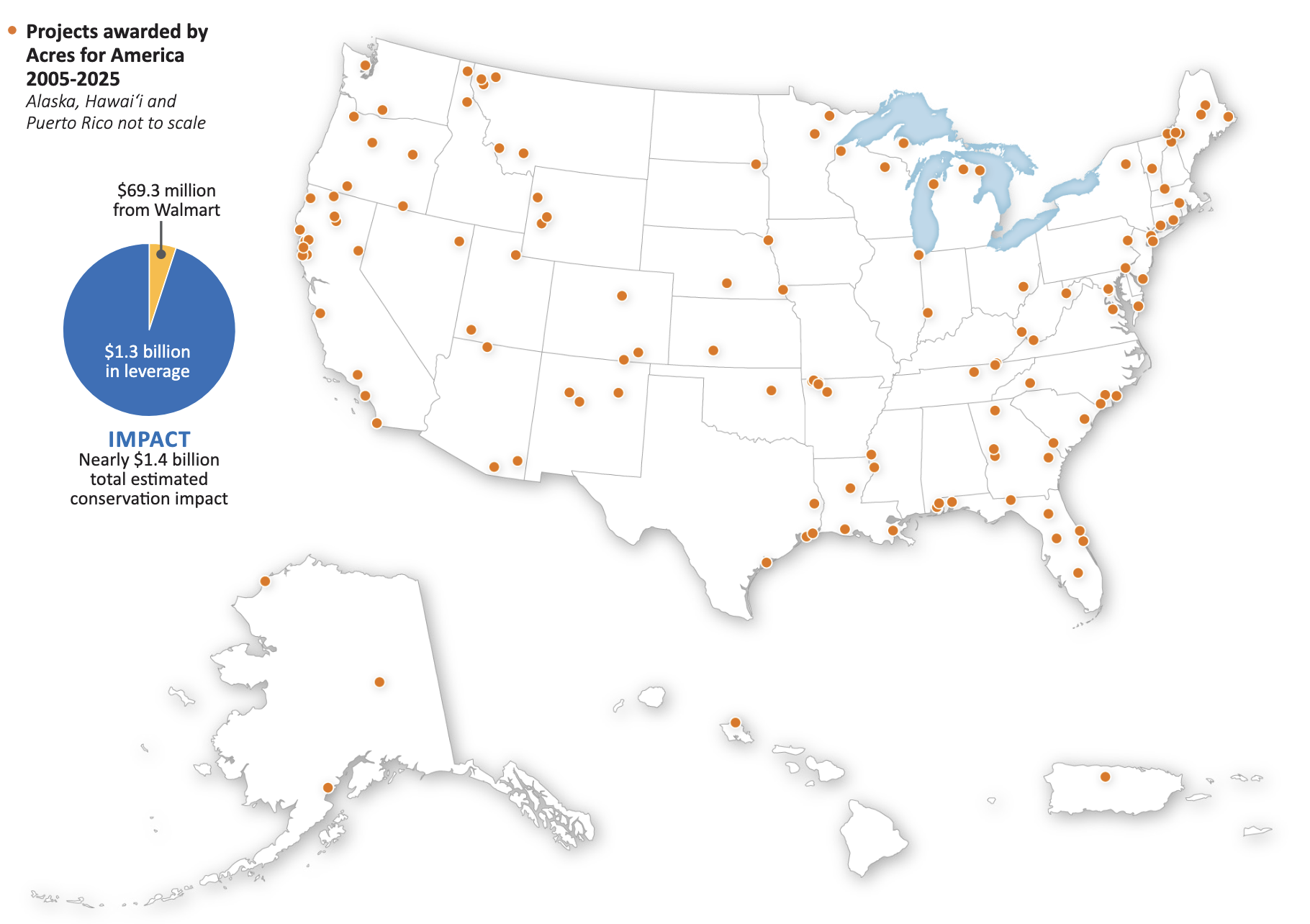
Walmart has helped more sustainably manage, protect, or restore 43.3 million acres of land and 1.93 million square miles of ocean.
Waste Management
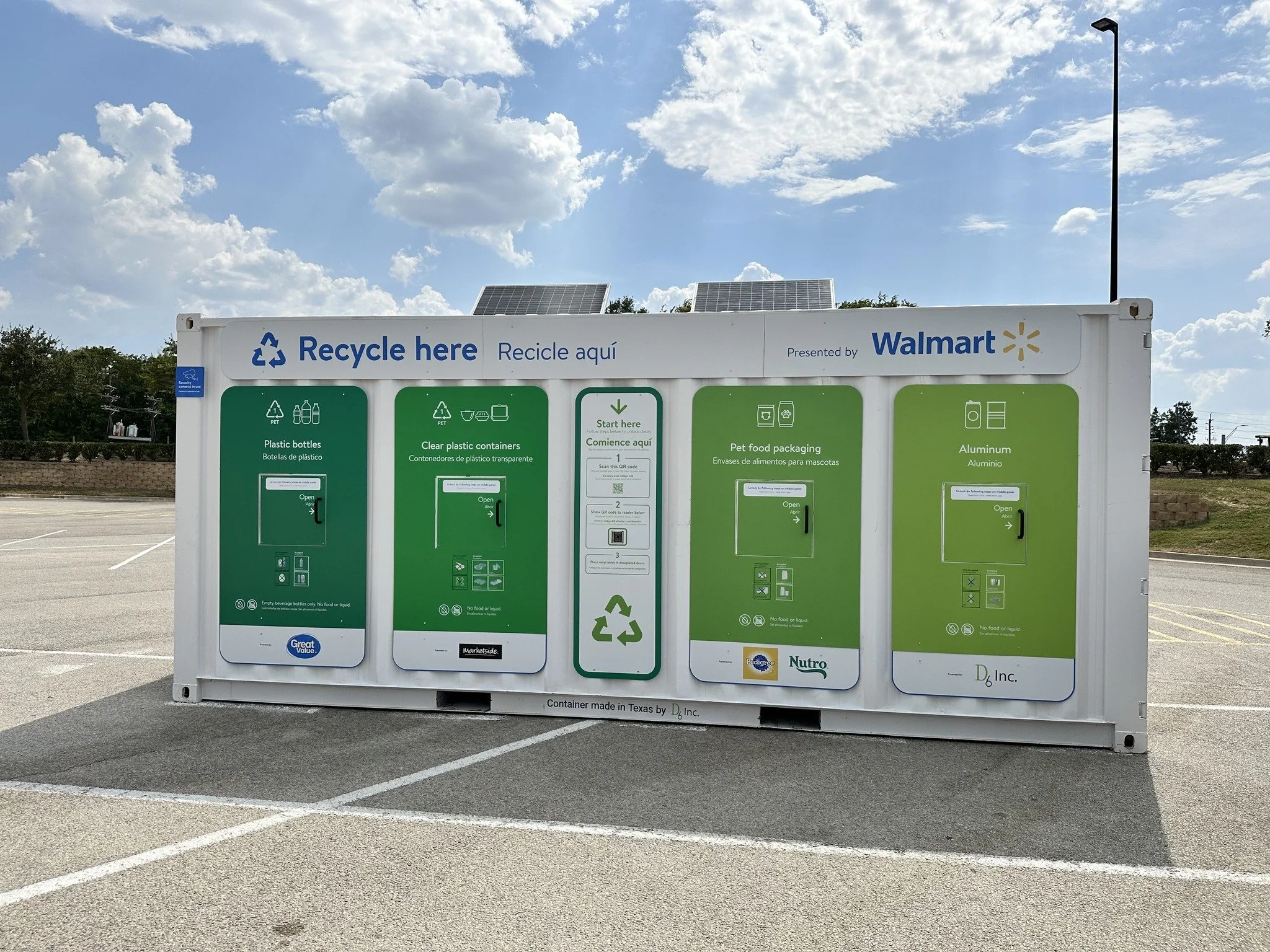
Globally, Walmart has diverted 83.5% of its operational waste away from landfills and toward recycling or composting. In 2024, Walmart U.S. and Sam’s
Club U.S. recycled 6.1 billion pounds of cardboard, a slight increase from the previous year. In 2024, more than 114 million cardboard break pack boxes were reused in their U.S. supply chain network and Sam’s Club fulfillment operations (up from 85 million in 2023).
Currently, 82.6% of Walmart’s private-brand plastic packaging is designed for recycling, and 66.1% is already recyclable, reusable, or industrially compostable.
Walmart set a goal to reduce global operational food loss and waste intensity 50% by 2030 (vs. 2016 baseline) in support of the CGF Food Waste Coalition of Action and U.S. Food Waste Pact. In 2024, they reduced global operational food loss and waste intensity by 12.1% (vs. 2016 baseline), which means food loss increased relative to 2023. The year-over-year increase is primarily due to: continued growth in our grocery business and expansion of the Zero De-Pack initiative.
Strengthening Local Roots
Walmart thrives when its communities thrive. In FY2025, the company and the Walmart Foundation provided more than $2 billion in charitable giving, much of which was in the form of food donations to fight hunger.
Over the past three years, Walmart has contributed $55.6 million to help communities prepare for and recover from natural disasters.
The Walmart.org Center for Racial Equity recently fulfilled its $100 million commitment to address the root causes of gaps in education, health, and finance for Black and African American communities.
Ethics & Integrity
A company of Walmart's size must have rigorous rules to ensure it operates fairly and safely. The report highlights several key metrics that show how the company manages its vast operations.
An impressive 97% of assigned associates completed Code of Conduct training this year, ensuring that employees understand the company’s ethical standards.
To keep customers healthy, independent inspectors conducted 68,400 food safety audits at Walmart stores and clubs worldwide.
The Board of Directors is the group that oversees the whole company. In Walmart’s case, 75% of the Board members are independent, meaning they aren't employees of the company, which helps provide unbiased oversight.
Challenges and the Path Forward
The report is transparent about the "valleys" in the journey. It notes that achieving net-zero emissions by 2050 (the global goal) requires massive changes in technology, government policy, and consumer behavior. Factors like low fossil fuel prices can sometimes make renewable energy investments look less attractive financially, and a growing business naturally needs more energy, which creates a constant "uphill battle" for reducing absolute emissions.
However, the takeaway is clear: Walmart is no longer just a place to buy low-priced goods. It is positioning itself as a "tech-powered" leader that recognizes its responsibility to the planet and the people who make its success possible.