Drought is Quietly Shortcircuiting Europe’s Carbon Policies
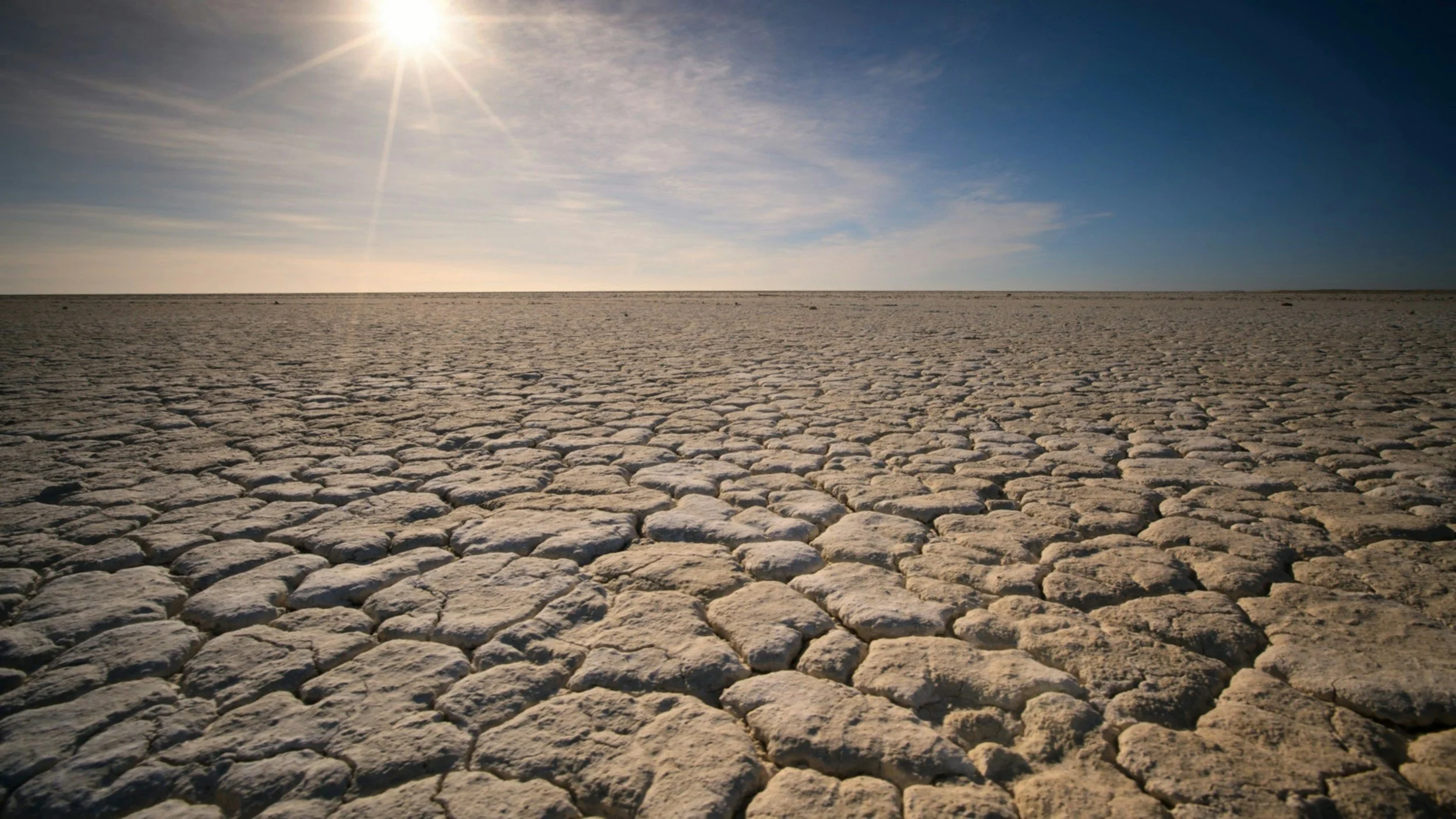
While we often think of droughts as a problem for farmers or nature, a groundbreaking study published in Energy Nexus reveals they are also a major blow to our power grids. When water levels drop, Europe’s "clean" energy treadmill slows down, and the continent is forced to turn back to the very fossil fuels it's trying to abandon.
Between 2017 and 2023, Europe faced several severe dry periods. Researchers analyzed 25 European countries and found a clear, troubling pattern: as water disappeared from rivers and reservoirs, carbon emissions from the power sector shot up.
This lead to an extra 141 million tonnes of carbon dioxide emitted in just 7 years. That’s 31 percent of Europe’s carbon budget allowed to be released until 2040 to maintain their emissions policies. This is also has a staggering social cost of $26 Billion - the economic impacts to himan well-being.
Why Does Drought Increase Carbon Emissions?
It’s a simple case of a domino effect. Europe’s electricity system relies heavily on hydropower (about 15.5% of total production). When there isn't enough rain or snowmelt, hydropower production plummets.
Droughts often come with heatwaves. High temperatures make solar panels less efficient and wind speeds often drop during these hot, dry "stagnant" periods. This means that just when we need renewable energy the most, wind and sun might also let us down.
To keep the lights on, countries have to find power elsewhere. The study found that:
48% of the extra emissions came from ramping up natural gas plants to cover the gap.
Despite plans to phase it out, coal and lignite (a "dirtier" form of coal) accounted for 43% of the drought-driven emissions.
About 8% of the impact came from countries importing electricity from neighbors to make up for their own shortages.
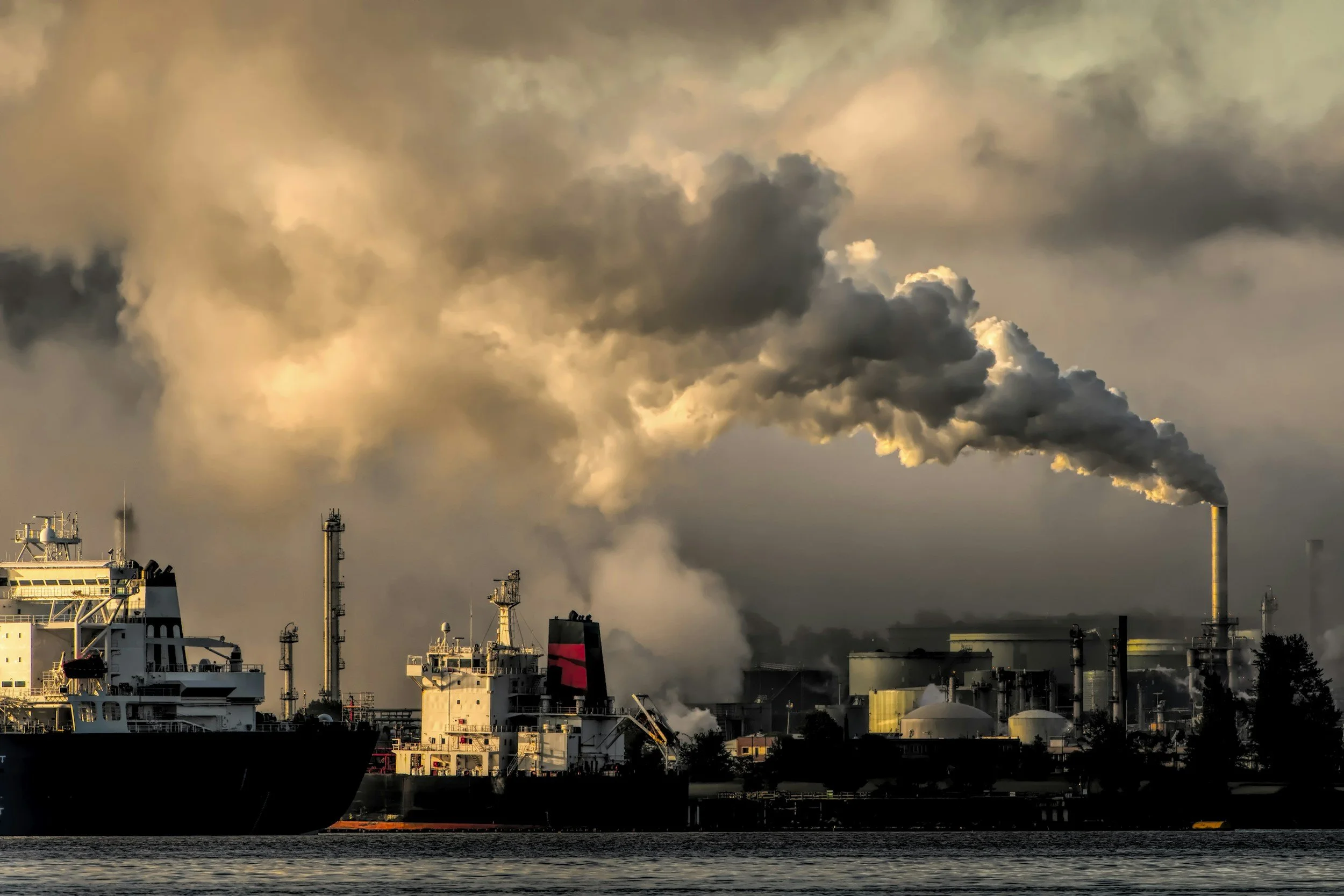
It isn't just the climate that suffers; it's our health. Burning more fossil fuels during dry spells increases air pollutants like sulfur dioxide and nitrogen oxides. On average, air pollution from the power sector increased by 2.5% during these periods.
In places like Germany, Italy, and Bulgaria, this led to a measurable increase in health risks, contributing to thousands of "Disability-Adjusted Life Years" (a measure of years lost to ill health or early death).
What Can We Do?
The study makes it clear: we can't just build more renewables and hope for the best. We need a "drought-proof" power grid. This includes:
Improving batteries and other ways to store energy for when the wind isn't blowing and the rivers aren't flowing.
Using technology to shift electricity use (like charging EVs or running factories) to times when renewable energy is plentiful.
Strengthening the connections between European countries so they can share green energy more effectively during regional crises.